

How to Prevent Lash Extension Damage
Table of Contents
- Do Lash Extensions Damage Natural Lashes?
- How to Prevent Lash Extension Damage: The 4 Golden Rules
- Your Daily Aftercare for Lash Extensions
- How to Clean Lash Extensions Without Causing Breakage
- Allergic Reaction vs. Mechanical Damage: Know the Difference
- Post-Removal Recovery: When to Take a Break
- Conclusion: Protect Your Natural Lash Cycle
- Frequently Asked Questions
Last Updated: September 7, 2026
Do Lash Extensions Damage Natural Lashes?
The short answer is no, not when they are applied and maintained correctly. Lash extension damage is almost never caused by the extensions themselves, but by improper application, poor aftercare, or neglect of your natural lash cycle. Lash extensions are designed to attach to a single, healthy natural lash in the anagen phase, or active growth stage, and should move and shed naturally with your own lashes (peer-reviewed research).
The concern is understandable, but lashes naturally shed every 60 to 90 days (aao.org). The real issue is that when extensions are too heavy, applied to multiple lashes at once, or not cleaned properly, they can cause mechanical stress and traction alopecia, leading to premature shedding and breakage. At Lashes by Shigeru, we have perfected techniques that protect your natural lashes, and we are here to share exactly how to prevent lash extension damage while still enjoying beautiful results.
How to Prevent Lash Extension Damage: The 4 Golden Rules
Preventing damage to your natural lashes comes down to following four non-negotiable rules that form the foundation of any safe lash extension experience. Adhering to them ensures your natural lashes remain healthy, strong, and full, even with continuous wear.
The first rule is to always work with a certified technician who understands isolation technique. The second is to select the correct lash weight and diameter. The third is to commit to a daily aftercare routine that includes cleaning. The fourth is to know when to take a break and let your natural lashes recover. Ignoring any of these rules increases the risk of lash breakage and damage to the lash follicle.
Rule 1: Work with a Certified Technician
The skill of your lash artist is the single most important factor in preventing lash extension damage. A certified technician is trained to isolate each natural lash and apply a single extension to it, preventing the adhesive from gluing multiple lashes together. This isolation technique is critical because glued extensions restrict natural growth and cause tugging and pain.
A common mistake is choosing a technician based on price or convenience rather than training and certification. Ask about their education, their experience with your specific lash type, and their approach to lash health. A professional will prioritize the health of your natural lashes over the immediate fullness of the set and will turn you away if your lashes are too weak to support extensions.
Rule 2: Choose the Right Lash Weight and Diameter
Not all lashes are created equal, and the weight of the extension you choose has a direct impact on the health of your natural lashes. Extensions that are too heavy create excessive mechanical stress, which can lead to premature shedding and permanent damage to the follicle. The goal is to choose a lash that is virtually weightless, ensuring the natural lash can carry it without strain.
Lash extensions come in various diameters, typically measured in millimeters, with synthetic fibers being the most common material. A skilled technician will assess the thickness and health of your natural lashes before recommending a specific lash weight. If you have sparse or short lashes, classic lashes with a lighter diameter are often the safer choice than heavier volume lashes, which are better suited for stronger, denser natural lashes.
A lash artist who does not assess your natural lashes before application is a red flag. Applying a heavy extension to a weak natural lash will cause it to bend, break, or shed prematurely, potentially leading to traction alopecia, a form of hair loss caused by prolonged pulling on the hair follicle (the American Academy of Dermatology).
Your Daily Aftercare for Lash Extensions
Once you leave the salon, the health of your lashes is largely in your hands. A consistent aftercare routine is the most effective way to ensure your extensions last and your natural lashes stay protected. Proper aftercare prevents debris buildup, which can lead to eyelid hygiene issues like blepharitis, and keeps the adhesive bond strong for better retention.
Your daily routine should be simple and quick, taking no more than two minutes. Brush your lashes gently with a clean spoolie brush each morning to keep them separated and neat, preventing lashes from crossing over each other. Beyond brushing, the most critical step is cleaning, which we cover in the next section.
The One Habit Most Clients Miss: Your Sleeping Position
Most aftercare guides stop at brushing and cleaning, but they miss a primary cause of mechanical damage: how you sleep. Side and stomach sleepers crush their extensions against the pillowcase every night, and this constant pressure and friction bends the extension, stresses the follicle, and causes premature shedding and misshapen lashes. This is the leading cause of ‘mystery’ lash loss that clients blame on the adhesive or the technician.
To prevent this, retrain your sleeping habits. The goal is to become a back sleeper, at least for the first 48 hours after your fill when the adhesive is fully curing. If you naturally roll onto your side, place a pillow on either side of your body to prevent rolling. For those who cannot break the side-sleeping habit, invest in a silk or satin pillowcase. Unlike cotton, which is rough and absorbent, silk and satin allow your lashes to glide without catching or creating friction. This single change can reduce lash loss and is a non-negotiable recommendation from most experienced lash artists.
The 48-Hour Cure: What to Do Immediately After Your Appointment
The first 48 hours after a fill are the most critical for the adhesive bond. The cyanoacrylate-based glue needs time to reach its full structural strength, so you must avoid steam, saunas, hot yoga, and any activity that causes heavy sweating. Moisture and heat can cause the adhesive to cure too quickly or unevenly, creating a brittle bond that is prone to snapping.
You should also avoid getting your lashes wet for the first 24 hours. This is the one exception to the daily cleaning rule. After the 24-hour mark, begin your cleaning routine to prevent oil or makeup residue from breaking down the bond. If you accidentally get them wet, gently pat them dry with a lint-free towel and brush them through with a spoolie. Do not rub them.
The Morning vs. Evening Routine
Your lashes have different needs depending on the time of day. In the morning, they may be tangled or crossed from sleep; use a clean spoolie to gently brush them upward and outward, following the direction of the application. In the evening, your lashes have accumulated environmental dust, oil, and potentially makeup, which is when the deep cleaning routine is essential. Skipping the evening clean is the single fastest way to compromise the adhesive and invite bacterial growth.
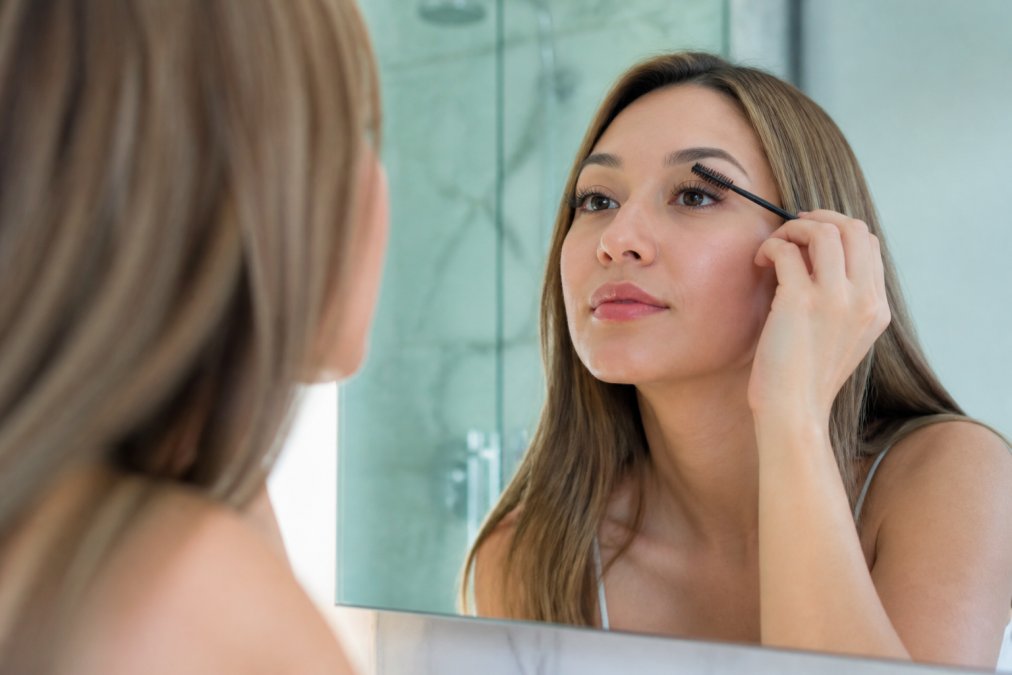
If you wake up with lashes pointing in different directions or bent at odd angles, your sleeping position is the culprit. Do not try to ‘fix’ them by pulling them with your fingers. Gently brush them back into place with a spoolie and adjust your sleeping position for the next night.
::: avoiding harsh surfactants.
How to Clean Lash Extensions Without Causing Breakage
Cleaning your lash extensions is the most misunderstood part of the aftercare routine. Many clients are afraid to get their lashes wet, thinking it will ruin the adhesive bond, but the opposite is true. Failing to clean your lashes allows oil, makeup, and debris to accumulate, which weakens the adhesive and creates a breeding ground for bacteria. A dedicated lash cleanser is essential for maintaining both lash health and extension retention.
To clean your lashes safely and effectively, follow these steps each day:
- Wet your lashes gently with water, allowing the water to flow over them without rubbing or tugging.
- Apply a small amount of a foaming lash cleanser to your fingertips or a soft brush.
- Gently massage the cleanser along the lash line in a sweeping motion, moving from the base to the tips.
- Rinse thoroughly with water, ensuring all cleanser is removed to prevent buildup.
- Pat the lashes dry with a clean, lint-free towel and brush them into place with a spoolie while they are still slightly damp.
Ingredient Awareness: The Difference Between Safe and Damaging Cleansers
The most common mistake clients make is using a ‘gentle’ or ‘oil-free’ cleanser that is not actually safe for lash adhesive. The issue is not just oil; it is the specific chemical composition of the cleanser. You must avoid any product containing glycol, propylene glycol, or glycerin. These humectants retain moisture but also break down the cyanoacrylate bond in lash glue, causing extensions to slip and fall out prematurely, often taking a natural lash with them.
Avoid cleansers with high alcohol content, which can dry out the natural lash and make it brittle, and any cleanser with a milky or creamy texture, as these often contain oils or silicones that leave a residue. The safest and most effective cleansers are foaming, water-based formulas specifically labeled as ‘lash extension safe.’ Look for ingredients like aloe vera water, chamomile extract, or hyaluronic acid, which clean without compromising the bond.
The Two-Product Rule: Why Your Makeup Remover Matters
If you wear eye makeup, you need a two-step process. First, remove all eye makeup with an oil-free, lash-safe makeup remover. Never use coconut oil, olive oil, or any other natural oil, as these will dissolve the adhesive immediately. Second, follow up with your dedicated lash cleanser to remove any remaining residue from the makeup remover and the lash line itself. Many clients skip the second step, leaving a film that attracts dirt and causes the extensions to clump.
How Often Should You Deep Clean?
While a daily clean is essential, you should perform a ‘deep clean’ once a week. This involves using a soft, clean mascara wand brush (a disposable one) to gently scrub the base of the extensions where they meet the natural lash. This area is where oils and dead skin cells accumulate most, and it is the primary cause of poor retention and follicle irritation.
Avoid using an oil-free makeup remover that is not specifically formulated for lashes. Many general makeup removers, even oil-free ones, contain ingredients like glycol that can break down the adhesive bond, causing extensions to fall out prematurely with your natural lashes attached.
The key to safe cleaning is not just frequency, but chemistry. A foaming, water-based cleanser with no glycols, no oils, and no alcohols is the only safe choice for protecting both the adhesive and your natural lashes.
Allergic Reaction vs. Mechanical Damage: Know the Difference
Understanding the difference between an allergic reaction and mechanical damage is crucial for addressing any issues that arise. Mechanical damage is caused by physical stress, such as rubbing your eyes, sleeping on your face, or tugging at your extensions. An allergic reaction, on the other hand, is a response to the adhesive, which contains cyanoacrylate, a common ingredient in lash glues that some people have a fume sensitivity to.
Mechanical damage typically presents as lash breakage, where the natural lash snaps in the middle, or as patches of missing lashes where they have been pulled out by the root. An allergic reaction, conversely, presents as redness, swelling, itching, or a rash on the eyelids. If you experience these symptoms, you must remove the extensions immediately and consult a professional. A patch test before your full appointment can identify a potential allergy to the adhesive.
Post-Removal Recovery: When to Take a Break
Even with the best care, your natural lashes need a break from extensions periodically to maintain their health. While extensions do not inherently damage your lashes, the continuous weight and the application and removal process can stress them over time. Taking a break allows your natural lash cycle to reset and ensures your lashes remain strong enough to support future extensions.
A good rule of thumb is to take a break after 6 to 12 months of continuous wear, or immediately if you notice thinning or damage after removal. During this break, avoid lash curlers, mascara application, and any harsh eye makeup. This is also the ideal time to introduce a lash growth serum to stimulate the follicle and encourage healthy regrowth, letting your natural lashes shed and regrow without the added weight of extensions.
Conclusion: Protect Your Natural Lash Cycle
Your natural lash cycle is designed to keep your lashes healthy and full, and lash extensions can be a wonderful addition to your beauty routine without disrupting this process. The key takeaway is that lash extension damage is preventable. It requires a commitment to professional application, honest communication with your technician about your lash health, and a diligent aftercare routine that prioritizes cleaning and gentle handling.
At Lashes by Shigeru, we have perfected the proprietary Japanese AirLash® technique to be virtually weightless and hypoallergenic, ensuring a comfortable and problem-free appointment. Our master stylist Shigeru Hanai, with over a decade of experience in Tokyo and New York, and our in-house manufacturing of products and adhesives, guarantee a professional standard that protects your natural lashes. If you are concerned about the health of your natural lashes or are ready for a safe, luxurious experience, book an appointment with us and see the difference that true expertise makes.
Frequently Asked Questions
Why do my lash extensions only last 2 weeks?
Poor retention usually comes from improper aftercare, not the extensions themselves. Touching your lashes, sleeping on your face, or using oil-based cleansers weakens the adhesive bond. Your natural lash cycle also plays a role: lashes shed naturally every 6-8 weeks, and extensions fall out with them. A skilled technician will also assess whether the lash weight and diameter suit your natural lashes. Follow a consistent cleaning routine and avoid rubbing or tugging to extend wear toward the 4-5 week mark.
How can I tell if my lash extensions are damaging my natural lashes?
Signs of lash damage include soreness, redness, or swelling at the lash line, plus visible gaps where natural lashes have broken off rather than shed. Natural shedding leaves a clean space; breakage looks uneven and stubbly. You may also notice excessive shedding or changes in the curl direction of new growth. If you experience these symptoms, see a professional immediately. They can assess whether the issue is mechanical stress from incorrect application or an allergic reaction to the adhesive.
Are there any lash extensions that don’t damage your lashes?
No lash extension is completely risk-free, but damage is preventable with proper application and aftercare. Choose a certified technician who uses lightweight synthetic fibers and applies them with isolation technique, so each extension attaches to a single natural lash. Avoid extensions that feel heavy, and stick to classic or light volume lashes if your natural lashes are fine or sparse. The best protection is following a daily cleaning routine and attending regular fills with a professional who monitors your lash health.