
Can You Protect Lash Extensions While Swimming?
Quick Summary
Yes, you can go swimming with lash extensions, but wait 24 hours after your appointment and rinse with fresh water afterward. Water softens the adhesive while it is still curing, so early exposure can lift extensions before they bond.
- Ask your technician for the exact wait time, since it depends on your adhesive system.
- Keep lashes dry for the first 24 hours, avoiding pools, the ocean, and long showers.
- Rinse with lukewarm fresh water after chlorinated pools, salt water, or lakes.
- Choose low-profile goggles with a soft gasket that sits away from the lash line.
- Rinse your face and lashes, pat them dry, then brush lightly with a clean spoolie.
Table of Contents
- Can You Swim With Lash Extensions Safely?
- How Water Affects Lash Extension Adhesive
- How Long to Wait Before Swimming After Your Appointment
- Swimming in Chlorine, Salt Water, and Fresh Water
- Using Swimming Goggles Safely Around Extensions
- Step-by-Step Routine Before, During, and After Your Swim
- Lash Extension Aftercare After Swimming
- Booking Your Next Lash Appointment at Lashes by Shigeru
- Frequently Asked Questions
Can You Swim With Lash Extensions Safely?
Yes, you can go swimming with lash extensions, but you need to take a few precautions. Water can loosen the adhesive bond early, which often leads to shedding.
Water is not the only concern. A peer-reviewed study on ocular side effects of eyelash extension use reports that eye irritation and itching are common complaints among wearers, and it advises seeking professional help when problems occur.
How Water Affects Lash Extension Adhesive
Water softens and weakens lash adhesive while it is still curing. Once the bond sets, short exposure is much less risky.
Here is what happens to the adhesive:
- Early water exposure can lift the base of the extension before it bonds.
- Soaking keeps the adhesive wet and slows full curing.
- Rubbing or pulling while wet can break the bond even after it sets.
The exact window depends on the adhesive system. A lash industry guide on water exposure timing advises following the wait time for your specific product rather than assuming one rule fits all.
Ask your technician about the specific wait time for your set.
How Long to Wait Before Swimming After Your Appointment
Ask your lash artist for the exact window before swimming or getting your lashes wet, because it can vary.
Use this simple timeline:
- Right after your appointment: Keep lashes dry. Avoid steam, sweat, and oily products.
- First 24 hours: Stay away from pools, the ocean, and long showers.
- After 24 hours: Swimming is usually fine. Rinse gently afterward.
Check with your technician if you are unsure.
Swimming in Chlorine, Salt Water, and Fresh Water
Not all water treats lash extensions the same way. The differences matter most for how long you stay in, how you rinse afterward, and how often you need a refill.
Chlorinated pools (including Los Angeles city and county pools). Chlorine is a disinfectant, and repeated exposure can dry out natural lashes. Rinse with lukewarm fresh water as soon as you leave the water, then pat dry.
Salt water (Southern California beaches such as Santa Monica, Venice, and Manhattan Beach). Salt leaves a residue that can crystallize as it dries, and beach sand and grit add friction if you rub your eyes. Rinse thoroughly with fresh water after ocean swimming, and avoid toweling your face roughly.
Fresh water (lakes, rivers, and reservoirs). Lakes and rivers can carry bacteria, algae, and debris. Keep your face out of the water where possible, and rinse well afterward. Do not assume fresh water is risk-free just because it lacks chlorine.
Watch out: Hot tubs and spas are often brominated or heavily chlorinated and run hotter than pools; treat them like a chlorinated pool and rinse immediately after.
If you swim often in any water type, ask your technician whether a lash sealant or a more water-resistant adhesive system fits your routine. Product-specific advice from your lash artist matters more than a single rule for all water.
Each water type affects lash extensions differently, so the rinse and drying steps change with where you swim.
| Water type | Main concern | What to do |
|---|---|---|
| Chlorinated pools | Can dry out natural lashes | Rinse with lukewarm fresh water, then pat dry |
| Salt water | Residue crystallizes as it dries | Rinse thoroughly with fresh water |
| Fresh water | Bacteria, algae, and debris | Keep face out of water, rinse well after |
| Hot tubs and spas | Brominated or heavily chlorinated, run hotter | Treat like a chlorinated pool, rinse immediately |
Using Swimming Goggles Safely Around Extensions
Goggles can help reduce direct water contact with your lashes, but the wrong fit can cause problems of its own. The goal is a snug seal around the bony orbit of your eye without pressing on the lash line.
Choosing a pair. Look for goggles with a soft silicone or foam gasket and an adjustable split strap. A low-profile swim goggle or a mask-style goggle usually sits farther from the lash line than a tight racing goggle. Avoid goggles with a hard plastic rim that rests directly on your eyelids.
Testing the fit before you swim. Put the goggles on dry, without a strap, and press gently against your face. If they hold suction briefly and the rim sits around the eye socket rather than on the lashes, the fit is close. Then adjust the strap so the goggles stay put without being overtightened.
Putting them on and taking them off. Slide the goggles into place rather than snapping the strap. When you remove them, lift the strap over your head first, then ease the goggle away from your face. Never pull goggles straight off over your lashes. Gentle handling remains just as vital when you remove waterproof makeup after a long day to ensure that your natural lashes remain strong and intact.
If goggles leak. A leak usually means the seal is broken by hair, sunscreen, or an uneven strap. Step out, rinse the gasket, and reseat the goggles. Do not tighten the strap aggressively to compensate, because that increases pressure on the lash line.
Watch out: Goggles that are too tight can bend or catch extensions at the base, and a loose seal lets chlorinated or salt water flush across the lashes. Test the fit before you get in the water, not after.
Rinse goggles with fresh water after each swim and let them air-dry. If you wear a swim cap, put the cap on before the goggles so the strap does not drag across your lashes.
Step-by-Step Routine Before, During, and After Your Swim
Follow this routine to protect your lashes.
Before swimming:
- Confirm your appointment was at least 24 hours ago.
- Apply a light oil-free barrier if your technician recommends one.
- Put on snug goggles.
During swimming:
4. Keep your face out of the water when possible.
5. Avoid rubbing your eyes.
After swimming:
6. Rinse your face and lashes with lukewarm fresh water.
7. Gently pat lashes dry with a clean towel.
8. Brush lashes lightly with a clean spoolie.
Lash Extension Aftercare After Swimming
Good aftercare helps lashes last. Rinse with fresh water right after swimming to remove chlorine or salt.
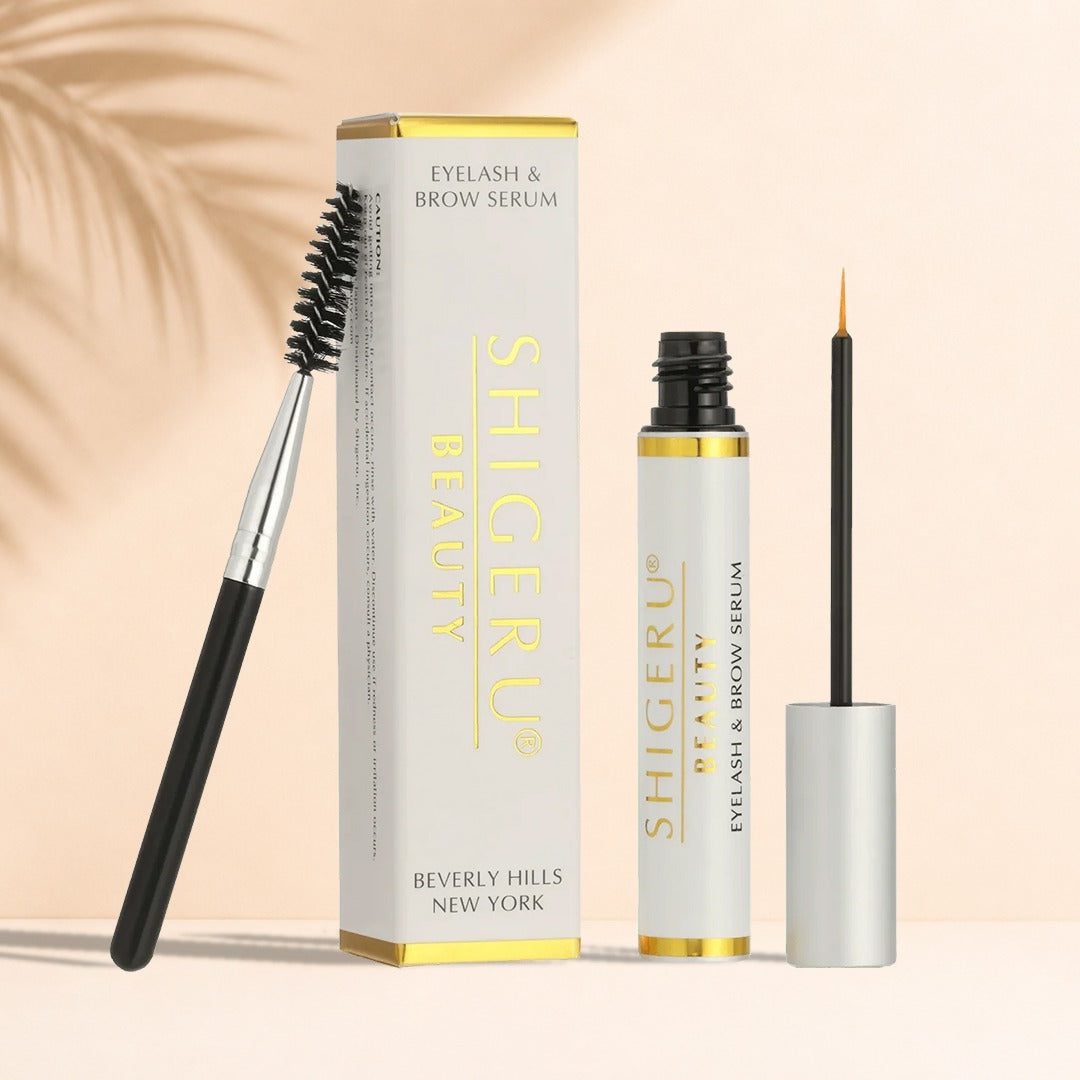
Our Shigeru Lash & Brow Growth Serum is a prostaglandin-free, oil-free blend designed for thinner or sparser lashes, and most people see visible results in about 30 days.
For a busy routine, you can also read our lash extension aftercare for busy schedules guide for quick daily habits.
Avoid pulling, rubbing, or sleeping on your face right after a swim.
Booking Your Next Lash Appointment at Lashes by Shigeru
Plan your next visit if lashes start shedding early or after frequent swimming. Our 7 signs you need a lash refill and how often to book article explains the timing.
If you want to know what to expect, see how long high-quality lashes last.
Book an appointment with Lashes by Shigeru to get professional application and aftercare advice.
Frequently Asked Questions
Can I go swimming with lash extensions?
Yes, most people can swim with lash extensions once the adhesive has fully cured. Wait at least 24 hours after your appointment before getting them wet, and follow the specific timing your lash artist gives you for your adhesive system. Pool, ocean, and fresh water each affect extensions differently, so keep exposure short and rinse afterward with fresh water. If you notice itching, redness or lashes loosening quickly, stop swimming and contact your technician. Eye discomfort that persists should be checked by a medical professional.
How long can you swim with eyelash extensions in chlorine?
There is no universal time limit, but shorter exposure is safer. Chlorine can dry out lash adhesive and natural lashes, so limit pool time, wear goggles that seal well, and rinse your lashes with lukewarm fresh water as soon as you leave the pool. Avoid prolonged or repeated sessions in chlorinated water during the first few days after your appointment, and ask your technician whether your specific adhesive has a recommended limit.
Should I wear swimming goggles with lash extensions?
Swimming goggles can reduce direct water and chlorine contact with your lashes, which helps protect the adhesive bond. Choose goggles with a snug seal that does not press or drag on your lashes when you put them on or take them off. Avoid pulling the goggles tight against your lash line, and never rub your eyes after swimming. Remove goggles gently by lifting them away from the face rather than pulling them over your lashes.
How should I clean lash extensions after swimming?
Rinse your lashes with lukewarm fresh water as soon as possible after swimming to remove chlorine, salt, and pool residue. Pat them dry gently with a clean tissue rather than rubbing. Once dry, brush your extensions with a clean spoolie, and use a lash-safe, oil-free cleanser when your technician recommends it. Avoid oil-based products near the lash line, and do not use a cleanser that is not designed for extensions.

No Comments