
How Often Should You Get Lash Extension Fills?
Last Updated: November 18, 2026
Quick Summary
Most people need lash extension fills every 2 to 3 weeks, because each natural lash sheds on its own cycle and takes its extension with it. Waiting longer means more gaps and a longer, costlier fill, so booking within that window keeps your lash line even.
- Most clients need lash extension fills every 2 to 3 weeks.
- Fill timing should follow your natural lash shedding rate, not a fixed calendar date.
- A 2-week interval suits clients who want a consistently dense, full lash line.
- Book a fill when you see visible gaps, uneven lashes, or loose extensions.
- Stop pulling and contact your technician if natural lashes come out with extensions.
Table of Contents
- How Often Lash Extension Fills Are Needed
- Lash Fill 2 vs 3 vs 4 Weeks: Choosing Your Interval
- How Natural Lash Growth and Shedding Affect Timing
- Signs It Is Time to Book a Fill
- Lash Fill vs Full Set: Which Do You Need?
- Lash Extension Aftercare Between Fills
- How Much Lash Fills Cost and Booking Your Next Appointment
- Frequently Asked Questions
Most people who wear lash extensions need a fill every two to three weeks, and the exact interval depends on how fast their natural lashes shed. Waiting too long can cost fullness, and booking too early means paying for work you don’t yet need. This guide explains how often to get lash extension fills, what changes the timing, and how to tell when it is time to book.
How Often Lash Extension Fills Are Needed
Most clients need lash extension fills every 2 to 3 weeks. Published salon guidance points to this window, with Lash Affair’s fill guidance stating that most clients need fills every 2 to 3 weeks.
The reason is simple. Each natural lash grows and sheds on its own cycle. When a natural lash falls out, the extension attached to it falls out too. Over time, the gaps grow and the lash line looks thinner. A fill replaces the lost extensions and restores the look you started with.
Waiting too long creates two problems:
- More extensions have fallen out, so the fill takes longer and costs more.
- Natural lashes can be pulled as they become crowded, which is harder on your lashes.
Booking within the 2-to-3-week window keeps the work quicker and your lash line even.
Lash Fill 2 vs 3 vs 4 Weeks: Choosing Your Interval
The right interval depends on how full you want your lashes to look. Sources differ on the details, so compare the options below.
| Interval | Best For | What to Expect |
|---|---|---|
| 2 weeks | A consistently full, dense lash line | Fewer gaps and a fuller look all the time |
| 3 weeks | Slower natural lash growth or a more relaxed look | Some thinning between visits, fills take a bit longer |
| 4 weeks | Clients with strong retention | Noticeable gaps, may need extra lashes at the fill |
Lash Crush’s interval guide describes two weeks as ideal for a dense lash line and three weeks as suitable for slower lash growth. BL Lashes’ timing guide gives a broader range of two to four weeks.
If you are unsure, start at two or three weeks and adjust after your first few fills.
When a Four-Week Interval May Work
A four-week interval is possible for some clients, but it is not the default. It tends to work when your natural lashes hold their extensions well and you do not mind some thinning before your next visit.
How Natural Lash Growth and Shedding Affect Timing
Your natural lashes grow in cycles, and that cycle, not the calendar, is what actually sets your fill schedule. Each individual lash moves through three phases: an active growth phase (anagen), a transition phase (catagen), and a resting/shedding phase (telogen). Because every lash is on its own timeline, you lose a scattered handful of extensions every day rather than all of them at once.
The practical takeaway: your fill interval should track your shedding rate, not a fixed number. Here is how to read the signals:
Retention is the second lever. Retention is how well each extension stays bonded to its natural lash between appointments. Gentle cleansing, avoiding oil-based products near the lash line, and not picking or rubbing can help extensions last longer.
A simple at-home check tells you where you stand: part your lashes with a clean spoolie and look for the ratio of extensions to natural lashes along the lash line. If you can see more than a few bare natural lashes in the top layer, you are due. Learn how to tell shedding apart from normal wear before you book. If the line still looks dense and even, you can wait.
Watch out: if you notice clumps of natural lashes coming out with the extensions, or if your lash line feels sore or irritated, stop pulling and contact your technician, that pattern can signal improper application or a reaction, not normal shedding.
Signs It Is Time to Book a Fill
Book a fill when you notice any of these signs:
- Visible gaps along the lash line, especially in the outer corners
- Lashes looking uneven or sparse compared with when they were applied
- Extensions that feel loose or are tangled with each other
- Most of your extensions have grown out past the point where they look even
If you are not sure whether you need a fill, ask during your next appointment.
Lash Fill vs Full Set: Which Do You Need?
Whether an appointment is a fill or a full set depends on how many extensions remain in good condition along the lash line, and your technician will assess this at your visit.
Here is how that plays out in practice:
- Fill: You still have a solid base of extensions, the gaps are scattered, and the natural lashes underneath are healthy. The technician removes grown-out extensions, cleans the lash line, and applies new extensions into the gaps. This is faster and less expensive than a full set.
- Full set: Most of the original extensions are gone, the lash line has changed shape, or you want a different style, curl, or length. The technician removes any remaining extensions and builds a new set from scratch.
A few other situations push an appointment from fill to full set:
- You want to change your lash style, curl pattern, or length significantly.
- Your natural lashes need a break or have been damaged.
- The remaining extensions are more than about four weeks old and have grown far from the lash line.
- You have had a reaction or irritation that requires a full removal and reset.
If you are unsure which you need, book the fill and let the technician assess at the start of the appointment.
Lash Extension Aftercare Between Fills
Good aftercare helps extensions last longer and keeps the time between fills predictable. A few simple habits make a difference:
- Brush your lashes daily with a clean lash brush.
- Cleanse the lash line gently, and avoid oil-based products near the extensions.
- Avoid rubbing your eyes or pulling at your lashes.
- Sleep on your back when you can, to reduce pressure on the lashes.
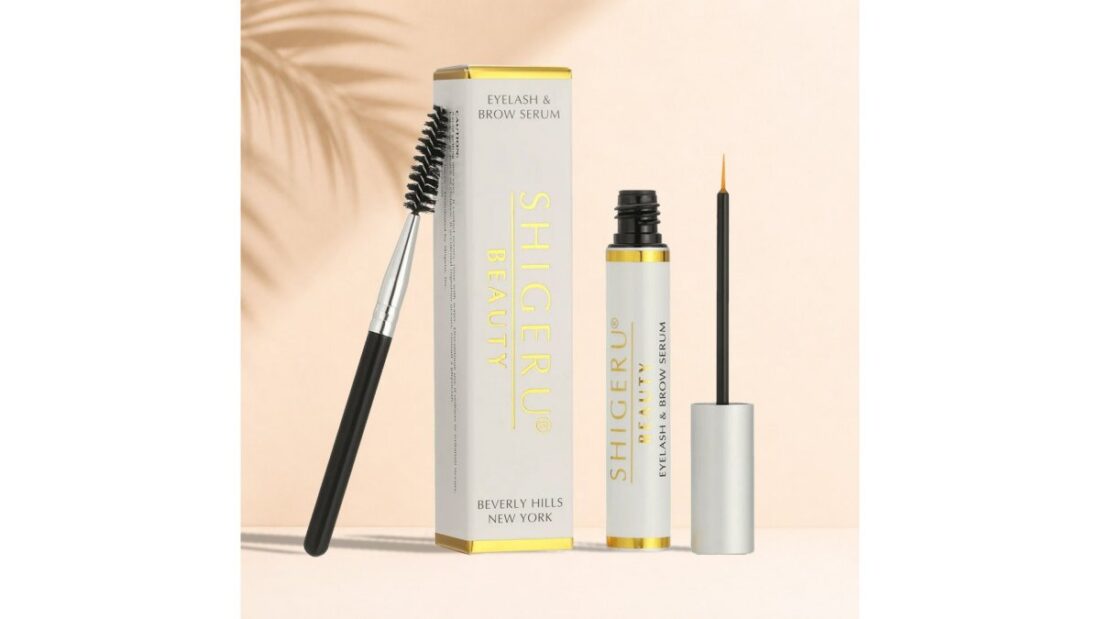
- Use the Shigeru Lash & Brow Growth Serum to support the natural lashes underneath your extensions. Shigeru Lash & Brow Growth Serum
How Much Lash Fills Cost and Booking Your Next Appointment
For current pricing and booking, visit the book a lash appointment page on our website.
When you book, plan your next fill within the two-to-three-week window to keep the work quick and your lash line full.
Ready to keep your lashes full? Book your next fill with Lashes by Shigeru and get a schedule that fits your natural lashes.
Frequently Asked Questions
How often should I get a fill for lash extensions?
Most clients need a fill every 2 to 3 weeks. A two-week schedule helps keep the lash line dense, while a three-week schedule may suit clients whose natural lashes grow more slowly. Waiting longer usually means more extensions have shed and need replacing, which can lengthen the appointment.
Can I go 4 weeks between lash fills?
A four-week interval may be possible for some clients. However, after four weeks many natural lashes have shed their extensions, leaving gaps and an uneven look. A longer wait can also mean a longer appointment and a fuller fill to rebuild the set.
What happens if I wait too long between lash fills?
When you wait too long, more of your extensions shed along with your natural lashes, which leaves the lash line sparse and uneven. Your technician will need to add more extensions to fill the gaps, so the appointment takes longer. Booking within your recommended window keeps the set balanced and the appointment shorter.
What’s the difference between a lash fill and a full set?
A full set is the first application, where every natural lash is fitted with an extension. A lash fill is a maintenance appointment that replaces the extensions that have shed and adds new ones to the lashes that have grown out. Fills are usually shorter and cost less than a full set.

No Comments