

Best Lash Extensions for Thin Lashes
Table of Contents
- Understanding Sparse Natural Lashes and Extension Compatibility
- Lightweight Natural Eyelash Extensions: Why Diameter and Weight Matter
- Classic vs. Volume Lashes for Fine Lashes
- Top Lash Extension Options for Thin and Sparse Lashes
- How to Care for Lash Extensions on Thin Lashes
- Allergy and Sensitivity Testing Before Application
- Visual Guide to Lash Mapping for Sparse Areas
- Conclusion
Last Updated: August 20, 2026
Understanding Sparse Natural Lashes and Extension Compatibility
Thin, sparse natural lashes present a unique challenge for lash extension application. Fewer natural lashes means less surface area for attachment, and lightweight materials become non-negotiable. At Lashes by Shigeru, we work specifically with clients who have delicate lash lines using approaches that differ significantly from standard protocols.
The fundamental issue isn’t whether extensions work on thin lashes, they do. It’s whether they’ll damage what little you have. Sparse lashes typically feature fewer than 80-100 lashes per eye (a full lash line has 120-150). Extensions can still deliver stunning results, but only if the technician respects this baseline and adapts accordingly.
Lightweight Natural Eyelash Extensions: Why Diameter and Weight Matter
Ultra-Fine Fiber Thickness and Lash Diameter
The diameter of an extension fiber directly determines how much weight your natural lash must support. Standard extensions measure 0.10mm to 0.15mm in diameter, often too heavy for thin lashes. Ultra-fine extensions measure 0.03mm to 0.05mm, a dramatic reduction that measurably improves comfort and retention.
The proprietary Japanese AirLash® technology used by Lashes by Shigeru operates at these ultra-fine specifications. Thinner fibers mean less strain on natural lashes and longer-lasting extensions without triggering premature shedding or damage. Ultra-fine diameters also create a more natural appearance by mimicking the actual diameter of fine natural lashes.
Weight Distribution and Adhesive Bond Strength
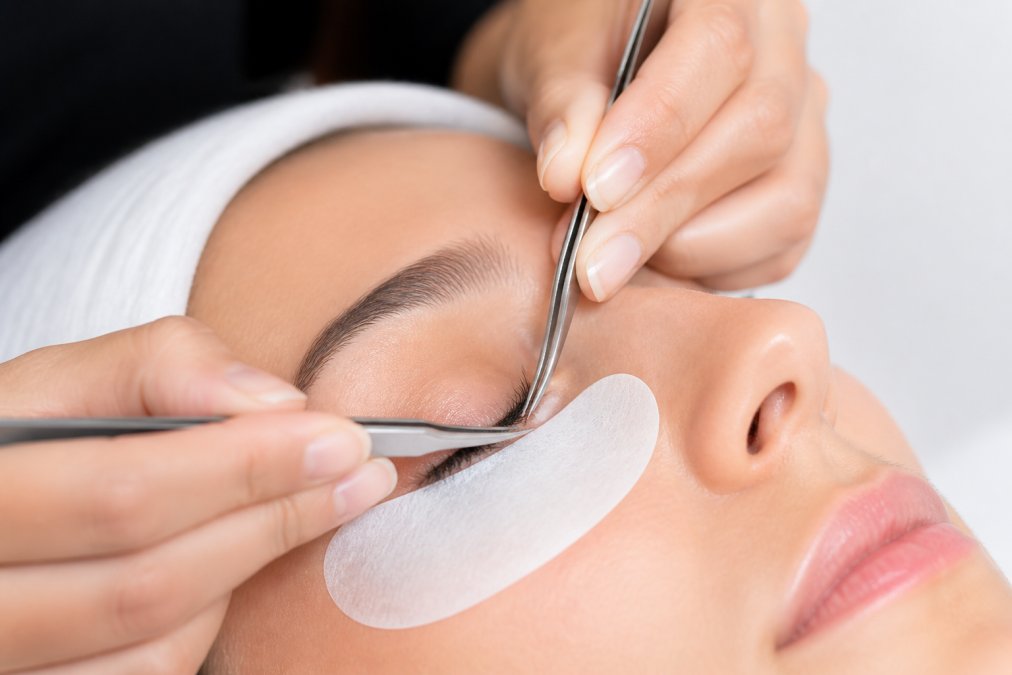
When lashes are sparse, each attachment point carries proportionally more load. Medical-grade adhesives are essential. The bond must be strong enough to hold a lightweight extension without over-curing and creating brittleness that damages the natural lash. Lashes by Shigeru manufactures its own adhesive formulations specifically for sensitive eyes and delicate lash structures, ensuring the bond is strong yet flexible.
The adhesive bead should be no larger than a grain of rice. Excess adhesive adds unnecessary weight and increases irritation risk on sensitive eyes. A skilled technician applies just enough for a secure bond without overloading the lash.
Proper weight distribution also means spacing extensions strategically. Rather than filling every gap, a technician working with sparse lashes places extensions on the strongest natural lashes and leaves strategic gaps, maximizing visual density while respecting structural limits.
Classic vs. Volume Lashes for Fine Lashes
Classic Application Techniques for Thin Lash Lines
Classic lash extensions involve attaching a single extension to a single natural lash. For thin lashes, this is the gold standard. The 1:1 ratio ensures you’re not multiplying the weight burden on an already delicate structure. Classic applications work particularly well for sparse lash lines because they create definition without excessive volume.
The classic technique also offers predictability and control. When you attach one extension to one natural lash, the outcome is straightforward. For thin lashes, this slower pace is essential, allowing the technician to assess each natural lash’s thickness and adjust extension weight accordingly.
Volume Fan Technology Without Overloading Fragile Lashes
Volume lashes involve attaching multiple ultra-fine extensions to a single natural lash, creating a "fan" effect. For sparse lashes, this presents a real problem: you’re multiplying weight on structurally compromised lashes.
However, volume fans aren’t entirely off-limits for thin lashes, they just require extreme restraint. A skilled technician might apply a very light volume fan (2-3 ultra-fine extensions per natural lash) to select strongest lashes, while using classic single extensions elsewhere. This hybrid approach delivers some visual density without overloading fragile lashes.
Avoid any technician who applies full volume lashes to sparse natural lashes without discussing structural risks. This common mistake leads to traction alopecia, permanent damage to the hair follicle from sustained tension.
Top Lash Extension Options for Thin and Sparse Lashes
1. Lashes by Shigeru Japanese AirLash®: Virtually Weightless Innovation 🌟
Lashes by Shigeru’s proprietary Japanese AirLash® technique is engineered specifically for delicate lash structures. Extensions measure at the ultra-fine end of the spectrum, with application emphasizing precision over speed. Master lash stylist Shigeru Hanai brings over a decade of experience from Tokyo and New York, focusing on clients with sensitive eyes and sparse lashes.
What sets this approach apart is in-house manufacturing. Lashes by Shigeru produces its own lash fibers, adhesives, and growth serums, ensuring every component works together without causing irritation or unnecessary stress. Hypoallergenic materials are tested extensively with clients who’ve had reactions to standard lash adhesives elsewhere.
Pros:
- Virtually weightless ultra-fine extensions designed for thin lashes
- Hypoallergenic formulation and medical-grade adhesive for sensitive eyes
- In-house manufacturing ensures consistent quality and compatibility
- Natural, refined appearance that enhances rather than overwhelms sparse lashes
- Results last up to five weeks with proper care
- Master technician with specialized experience in delicate lash work
Cons:
- Professional salon service requires travel to the greater Los Angeles area
- Initial appointment requires time investment for proper assessment and application
- Requires ongoing maintenance appointments every 2-3 weeks for touch-ups
Best For: Individuals with thin, sparse lashes who prioritize comfort, natural appearance, and long-lasting results. Ideal for those with sensitive eyes or previous adverse reactions to standard lash adhesives.
2. NovaLash Volume Extensions: Medical-Grade Durability for Sensitive Eyes
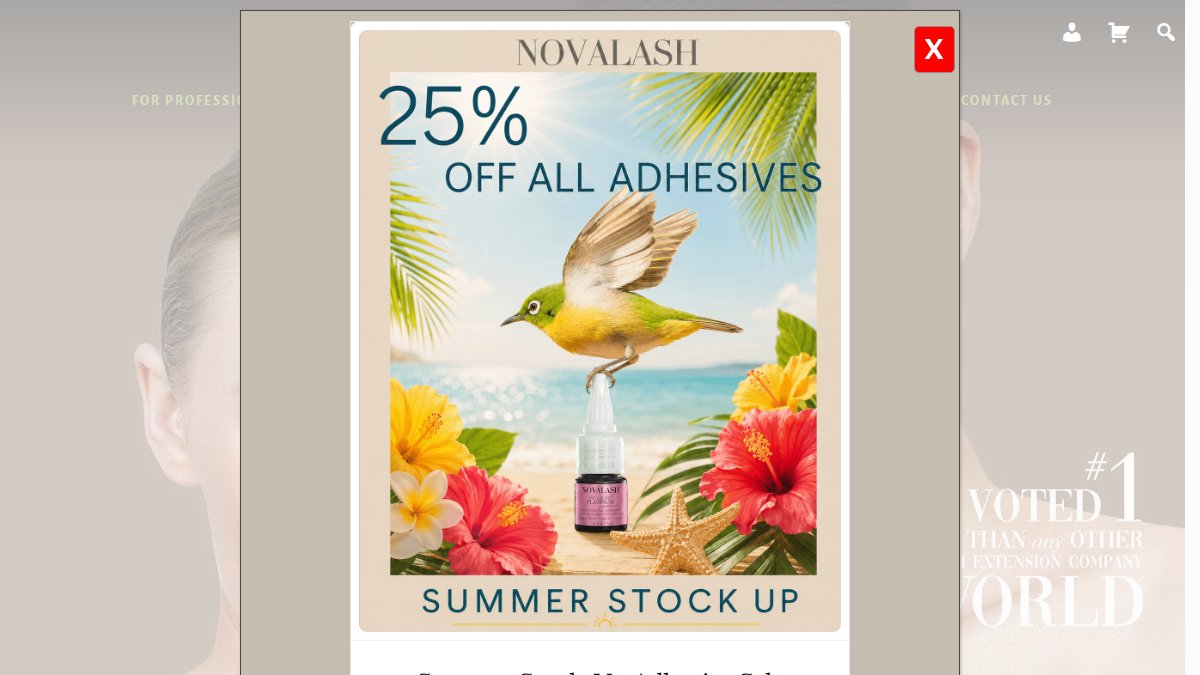
NovaLash offers professional lash extensions with medical-grade adhesive formulations. Their volume extensions use ultra-fine fibers and are immediately waterproof and sweat-resistant. For clients with thin lashes who want some volume effect, NovaLash’s medical-grade approach provides a middle ground.
The key advantage is adhesive technology. NovaLash’s rubberized adhesive cures fully within minutes, eliminating downtime. You can shower, exercise, and swim immediately after application. For active clients with thin lashes, this durability matters because it reduces the risk of extensions loosening due to water exposure or sweat.
Pros:
- Medical-grade adhesive formulation designed for sensitive skin
- Immediately waterproof and sweat-resistant after application
- Customizable length, thickness, and curl for personalized results
- Durable results lasting weeks with monthly touch-ups
Cons:
- Volume extensions may still be too heavy for very sparse natural lashes
- Requires application by a certified NovaLash professional
- Pricing varies significantly by salon location
Best For: Clients with moderate to thin lashes who want some volume effect and need durability for active lifestyles.
3. At-Home Alternatives: Ardell Wispies and KISS Falscara for Thin Lashes
For budget-conscious clients or those wanting to test extensions before committing to professional services, at-home alternatives offer real value. Ardell Wispies are lightweight strip lashes with a feathered, crisscross design creating a natural-looking wispy effect. They’re reusable with proper care and extremely affordable.
KISS Falscara takes the at-home approach further with a DIY lash extension system. Wisps are applied under natural lashes rather than on top, making bands virtually invisible. Kits include adhesive formulated for extended wear, with some options offering up to 14 days of continuous wear. For thin lashes, the under-lash application method is particularly appealing because it distributes weight differently than traditional extensions.
Ardell Wispies, Pros:
- Extremely affordable and widely available
- Easy to apply and remove for daily wear
- Natural, feathered appearance blending with thin lashes
- Reusable with proper care
Ardell Wispies, Cons:
- Requires daily application and removal
- Shorter lifespan than professional extensions
KISS Falscara, Pros:
- Under-lash application creates virtually invisible bands
- Can be worn for up to 14 days continuously
- More affordable than professional extensions
KISS Falscara, Cons:
- Requires a learning curve for proper application
- Adhesive may irritate sensitive eyes
Best For: Budget-conscious clients, those testing extensions for the first time, or individuals preferring flexibility and control over application.
How to Care for Lash Extensions on Thin Lashes
Daily Maintenance and Lash Cycle Awareness
Proper aftercare is non-negotiable when you have thin, sparse lashes. Cleanse your lashes gently every evening with a lash-safe cleanser. Use a soft brush or spoolie to comb through extensions and remove debris, makeup, and oil buildup. Avoid oil-based products entirely, oils break down the adhesive bond and cause premature shedding.
Understand the lash growth cycle. Your natural lashes shed continuously as new ones grow in. On average, you lose 3-5 natural lashes per day. With thin lashes, this natural shedding is more noticeable. Extensions fall out when the natural lash supporting them sheds, which is completely normal. Plan for fill-in appointments every 2-3 weeks to replace naturally shed extensions.
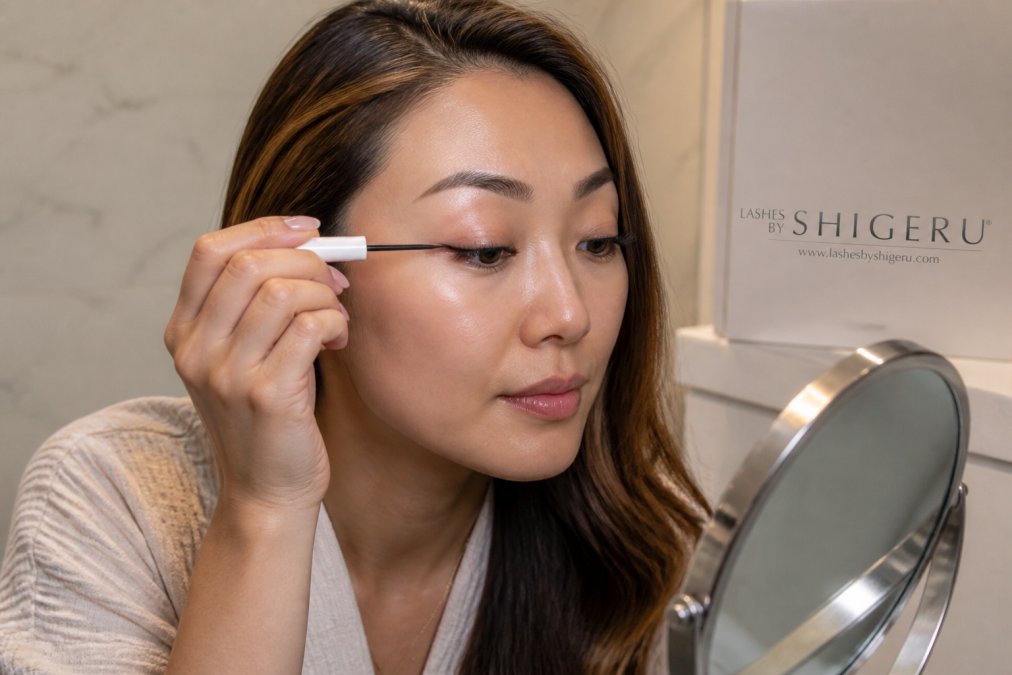
The lash cycle lasts 6-8 weeks from growth to shedding. A skilled technician can assess which natural lashes are in early growth phases and prioritize those for extension attachment.
Preventing Traction Alopecia and Lash Damage
Traction alopecia is permanent damage to the hair follicle caused by sustained tension. It’s the most serious risk when wearing lash extensions on thin, fragile lashes. Prevention is straightforward: never exceed the weight capacity of your natural lashes. Stick with ultra-fine extensions, avoid volume fans on weak lashes, and choose a technician who understands the risks and refuses to apply extensions that are too heavy.
Watch for warning signs. If your lashes feel constantly uncomfortable, if you experience itching or irritation that doesn’t resolve within a few days of application, or if you notice unusual shedding (more than the normal 3-5 per day), remove the extensions immediately.
Avoid pulling or rubbing your eyes. Sleep on your back when possible to avoid pressing your face into the pillow, which can bend extensions and create tension on the attachment point.
Nutritional and Serum Support for Lash Health
Your natural lashes grow from follicles, and follicle health depends on proper nutrition and hydration. Targeted lash growth serums can support follicle function and strengthen the lashes you have, particularly valuable when wearing extensions.
Shigeru Beauty Lash & Brow Serum is formulated to support lash growth and strength. The serum uses botanical actives and biocompatible peptides to nourish follicles without harsh chemicals. Applied daily to the lash line, it promotes visible growth in as little as 3 weeks. Importantly, it’s extension-safe and oil-free, so it won’t weaken the adhesive bond.
Consider your overall nutrition as well. Protein, biotin, iron, and zinc all support healthy hair growth. A balanced diet combined with targeted lash serum creates the optimal environment for strong, resilient natural lashes that better tolerate extensions.
Allergy and Sensitivity Testing Before Application
Lash adhesive allergies are real and more common than many salons acknowledge. Cyanoacrylate, the active ingredient in most lash adhesives, can trigger allergic reactions ranging from mild itching and redness to severe swelling and eye irritation.
Before committing to a full set of extensions, request a patch test. A reputable technician will apply a small number of extensions (typically 10-15) and have you wait 24-48 hours to observe for any reaction. This test uses the exact adhesive and materials for your full set, so it’s a true indicator of compatibility.
Communicate openly about your sensitivity history. If you’ve had reactions at other salons, tell your new technician exactly what happened. Hypoallergenic adhesives exist and work well, though they may have slightly different curing times or durability profiles. Lashes by Shigeru uses hypoallergenic materials and medical-grade adhesive specifically formulated to minimize irritation risk.
Visual Guide to Lash Mapping for Sparse Areas
Lash mapping is the strategic placement of extensions to maximize density on a sparse lash line. Rather than filling every gap, skilled technicians identify the strongest natural lashes and prioritize those for extension attachment.
For sparse inner corners, apply extensions only to every other natural lash, creating a softer transition while avoiding overload. For the center of the lash line (where density is typically highest), extensions can be placed more densely. For sparse outer corners, extensions should be shorter and lighter, creating a soft, feathered finish.
| Lash Line Area | Density Strategy | Extension Placement | Curl & Length Approach |
|---|---|---|---|
| Inner corner | Very sparse | Every other natural lash | Shorter, softer curl |
| Center | Moderate to dense | Every natural lash or light volume | Medium length, defined curl |
| Outer corner | Sparse to moderate | Every other lash or selective placement | Graduated shorter, wispy effect |
The best mapping happens during a consultation where the technician photographs your lashes, discusses your goals, and creates a customized plan. Lashes by Shigeru includes this detailed assessment in every appointment, ensuring extension placement respects your natural lash structure while delivering your desired aesthetic.
Thin, sparse lashes don’t disqualify you from beautiful, long-lasting extensions. The key is choosing a technician who understands the unique demands of delicate lash structures and selects materials and techniques accordingly. Ultra-fine diameter extensions, hypoallergenic adhesives, and strategic lash mapping transform sparse lashes into defined, natural-looking results that last.
Lashes by Shigeru specializes in exactly this work. The proprietary Japanese AirLash® technique delivers virtually weightless extensions specifically designed for sensitive eyes and thin lashes. With results lasting up to five weeks and a commitment to in-house manufacturing of all products and adhesives, you get consistency, safety, and the expertise of a master technician with over a decade of experience. Book an appointment and experience the difference that truly weightless, professionally applied extensions can make for your delicate lashes.
Frequently Asked Questions
Can I get lash extensions if my natural lashes are very thin?
Yes, you can get lash extensions on thin lashes, but technique and material selection are critical. Lightweight lash extensions with ultra-fine fiber thickness (0.03-0.05mm diameter) and medical-grade hypoallergenic adhesives minimize stress on fragile lash bases. Classic application, attaching one extension per natural lash, works better than volume techniques for thin lash lines. A skilled technician will assess your lash density and natural lash health before proceeding to prevent damage.
What's the difference between classic and volume lashes for thin natural lashes?
Classic lashes attach one extension per natural lash, distributing weight evenly and reducing strain on thin lashes. Volume lashes use multiple ultra-fine fibers (a fan) attached to a single natural lash, creating fuller density but adding more weight. For thin lashes, classic application is safer because it prevents overloading individual lash follicles. However, modern lightweight volume fans with 0.03mm fibers can work if your technician has experience with fragile lash lines.
How do I prevent lash damage when wearing extensions on thin lashes?
Protect thin lashes by using extension-safe, oil-free serums to strengthen natural lash health during wear. Avoid rubbing your eyes, sleeping face-down, and using waterproof mascara on extensions. Attend fill appointments every 2-3 weeks to prevent gaps and uneven tension. Use a silk pillowcase to reduce friction. Most importantly, work with a technician trained in lightweight extension application and lash mapping for sparse areas, improper technique causes traction alopecia and permanent lash loss.
How long do lash extensions typically last on thin lashes?
Lash extensions on thin natural lashes typically last 4-5 weeks with proper care, though the natural lash shedding cycle means some extensions shed sooner. Thin lashes shed faster due to their fragile structure and lighter anchor point. Fill appointments every 2-3 weeks maintain the look and prevent gaps. Retention depends on adhesive quality, application technique, and aftercare, professional-grade medical adhesives and hypoallergenic formulas improve longevity on sensitive, thin lashes.
This article was written using GrandRanker