
Professional Lash Extension Application: Complete Process
Table of Contents
- Understanding the Professional Lash Extension Application Process
- Eyelash Extension Preparation Checklist: Pre-Application Steps
- How Long Do Lash Extensions Take: Timeline and Process Duration
- Isolation Techniques and Adhesive Application
- Benefits of LED Lash Extensions in Modern Application
- Lash Health, Retention, and Aftercare Protocols
- Common Mistakes and Professional Standards
- Conclusion
Last Updated: August 30, 2026
Understanding the Professional Lash Extension Application Process
The professional lash extension application process is a meticulous technique that transforms natural lashes into fuller, longer, and more defined lashes through careful attachment of individual synthetic extensions using medical-grade adhesive. Results last up to five weeks when performed by a trained lash artist.
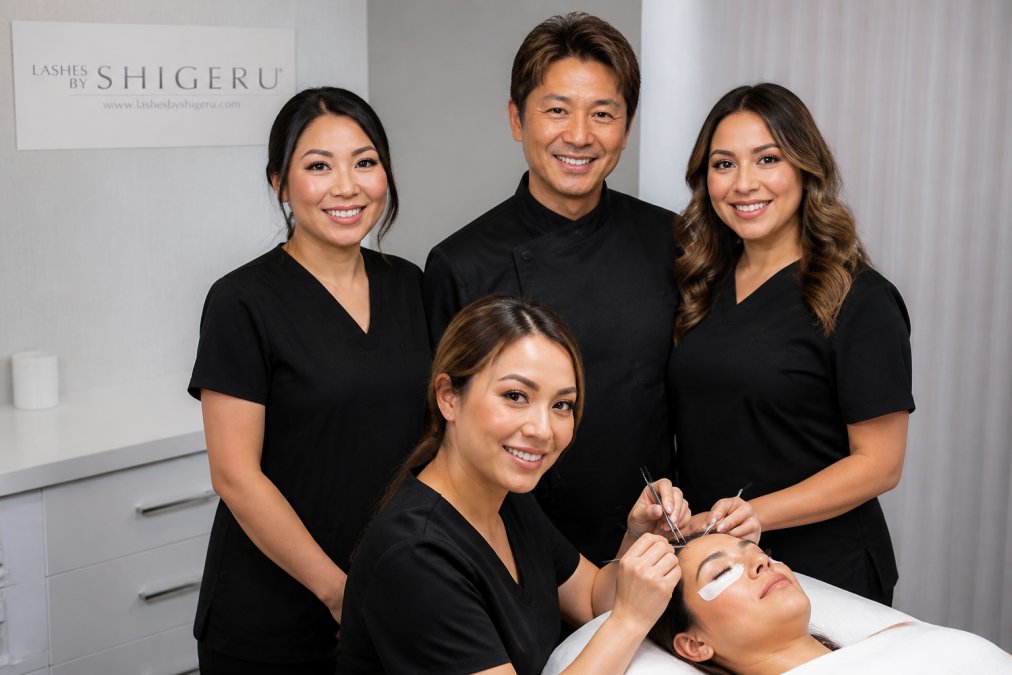
At Lashes by Shigeru, we use our proprietary Japanese AirLash® technique, prioritizing comfort, precision, and longevity. The difference between mediocre and exceptional work comes down to understanding adhesive chemistry, proper isolation, and the natural lash cycle.
The process involves six core phases: preparation and cleansing, lash mapping and styling, isolation, adhesive application, under-eye protection, and aftercare education.
The most common mistake lash artists make is rushing the preparation phase. Skipping even one cleansing step can reduce retention by 50% or more.
Eyelash Extension Preparation Checklist: Pre-Application Steps
Before a single lash extension touches your eye, the foundation must be perfect. Preparation determines whether extensions last five weeks or five days.
Start with a thorough consultation. Ask about lifestyle, eye sensitivity, previous lash experiences, and desired outcome. Someone who swims daily needs different advice than someone who rarely gets their eyes wet. Note any history of adhesive reactions immediately, as this changes your adhesive choice and application approach.
Perform a patch test for new clients or those with sensitivity history. Apply a small amount of adhesive to the inner arm and wait 24 hours. This prevents allergic reactions during full application.
Lash Mapping and Styling
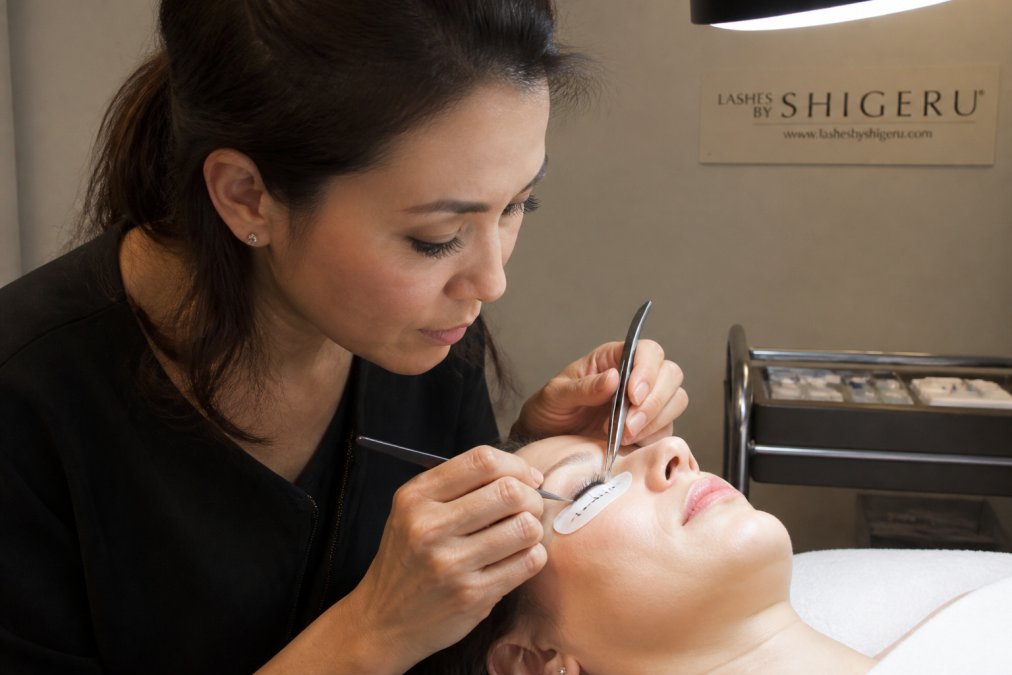
Lash mapping is the blueprint for your entire application. It determines curl type, length, and diameter based on natural lash structure and desired aesthetic.
Examine the client’s natural lash line under bright light. Identify where the longest natural lashes sit, typically in the center. Map out zones: inner corner (shorter, delicate), center (longest, fullest), and outer corner (tapered for lift). For classic lashes, apply one extension per natural lash. For volume lashes, create fans of 2-6 extensions per natural lash, requiring more precision.
Document eye shape. Hooded eyes, monolids, and deep-set eyes require different approaches. Choose curl types strategically: J-curl (natural), C-curl (dramatic), or D-curl (glamorous).
Cleansing and Priming the Natural Lashes
Natural lashes accumulate oils, makeup residue, dust, and product buildup. Cyanoacrylate, the primary adhesive ingredient, bonds through a chemical reaction disrupted by any barrier on the lash surface. Even microscopic oil residue causes poor adhesion.
Use a foaming lash cleanser specifically formulated for extensions. Apply with a soft brush, working gently through the lashes. Rinse thoroughly with distilled water, tap water contains minerals that interfere with adhesive polymerization. Pat dry completely with a lint-free wipe.
After cleansing, apply lash primer. This removes remaining oils and creates an optimal surface for adhesive bonding. Let it dry 30-60 seconds. This step separates salons achieving 5-week retention from those struggling to hit 3 weeks.
A properly cleansed and primed natural lash holds an extension for the full natural lash cycle. A poorly prepped lash sheds the extension within days, regardless of application technique.
How Long Do Lash Extensions Take: Timeline and Process Duration
Total appointment time depends on whether this is a full set or refill. A full set of classic lashes typically takes 2-3 hours. Volume lashes take 3-4 hours due to fan creation and isolation requirements. Hybrid sets usually take 2.5-3.5 hours.
Don’t rush this timeline. Artists claiming 90-minute full sets are working too fast or applying extensions too close together, directly correlating with poor retention and natural lash damage.
Refills typically take 45 minutes to 1.5 hours, depending on how many natural lashes have cycled out. Approximately 20% of lashes shed every 2-3 weeks naturally.
| Phase | Duration | Purpose |
|---|---|---|
| Consultation & Patch Test | 5-10 min | Assess needs, test for sensitivity |
| Cleansing & Priming | 10-15 min | Prepare lashes for adhesive bonding |
| Lash Mapping | 5-10 min | Plan extension placement and style |
| Application (Classic) | 90-120 min | Attach individual extensions |
| Application (Volume) | 120-180 min | Create and apply lash fans |
| Aftercare Education | 5-10 min | Explain maintenance and timeline |
At Lashes by Shigeru, we prioritize precision over speed because proper technique today means satisfied clients for months.
Isolation Techniques and Adhesive Application
Isolation and adhesive application are the core of professional lash extension work, separating skilled artists from inexperienced ones.
Mastering Isolation for Precision
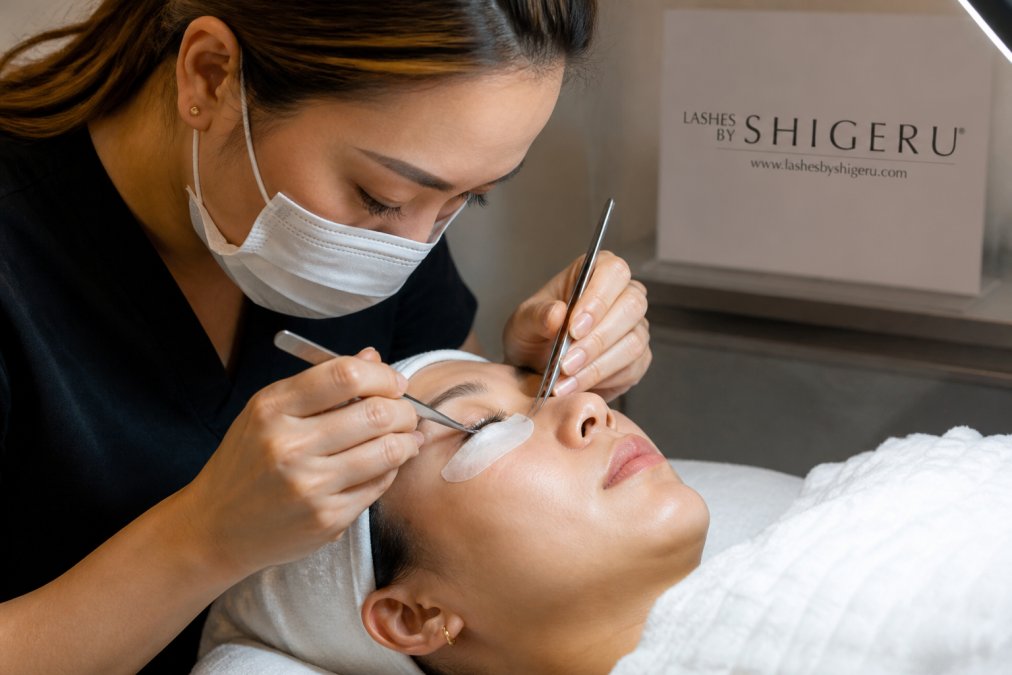
Isolation means separating one natural lash from surrounding lashes so you can apply an extension to it alone. Without proper isolation, you’ll accidentally glue multiple natural lashes together, causing damage when they shed.
Use tweezers with a fine, pointed tip. Gently lift and separate each natural lash, moving it away from neighbors. Many lash artists use a second pair of tweezers in their non-dominant hand to hold adjacent lashes out of the way.
For classic lashes, you need clean 1:1 isolation. For volume lashes, isolation is even more critical because you’re working with multiple extensions per natural lash. A single poorly isolated lash can cause an entire fan to adhere to neighboring lashes.
Cyanoacrylate Chemistry and Humidity Control
Understanding cyanoacrylate is essential for consistent results. This acrylic resin polymerizes (hardens) through a chemical reaction triggered by moisture. Faster polymerization creates stronger bonds.
Humidity levels directly affect polymerization speed. Below 40% humidity, adhesive polymerizes slowly, creating weak bonds. Above 70% humidity, adhesive polymerizes too quickly, hardening before proper positioning. The optimal range is 45-60% humidity.
Professional lash studios invest in humidifiers and hygrometers to maintain consistent conditions year-round. Winter heating dries air, slowing cure time. Summer humidity speeds it up.
Adhesive shelf life matters significantly. Once opened, cyanoacrylate degrades. Most professional-grade adhesives have 4-6 week shelf life after opening. Using old adhesive causes poor retention. Replace regularly and store in cool, dark places.
Applying extensions in humidity below 40% results in weak bonds failing within 1-2 weeks. If your salon lacks humidity control, retention will suffer regardless of technique. This requires equipment investment to fix.
Benefits of LED Lash Extensions in Modern Application
LED technology has transformed lash extension application by enabling faster, more controlled curing. LED light emits wavelengths triggering faster cyanoacrylate polymerization. Extensions set more quickly and create stronger initial bonds, improving retention and reducing appointment time.
LED technology provides consistency. Unlike humidity-dependent curing, LED-accelerated adhesives cure predictably regardless of environmental conditions. This is particularly valuable in locations with variable humidity or seasonal changes.
The Japanese AirLash® technique at Lashes by Shigeru incorporates LED technology ensuring consistent, high-quality results. Light-assisted polymerization creates more durable bonds while maintaining comfort and precision.
LED acceleration requires compatible adhesives specifically formulated for light-curing. Standard cyanoacrylate won’t respond to LED light. The investment in quality LED equipment and compatible adhesives is significant, which is why many budget salons skip this technology.
Lash Health, Retention, and Aftercare Protocols
Your job doesn’t end when the client leaves the salon. Aftercare determines whether they return in 5 weeks for a refill or call in week 2 complaining about falling extensions.
The natural lash cycle is crucial. Each natural lash goes through three phases: anagen (growth, 30-45 days), catagen (transition, 1-2 weeks), and telogen (shedding, 5-7 days). At any time, lashes are in different phases. Extensions shed naturally as underlying natural lashes complete their cycle, this is normal.
Proper aftercare extends retention and protects natural lash health. Educate clients immediately after application:
- Avoid water, steam, and humidity for 24-48 hours for full adhesive cure
- Don’t rub or pull on extensions
- Use oil-free makeup remover only
- Brush extensions gently daily with a clean spoolie
- Sleep on back when possible
- Avoid oil-based skincare products near the lash line
- Avoid waterproof mascara
Under-Eye Patch Placement and Fume Sensitivity Management
Under-eye patches protect delicate under-eye skin from adhesive fumes and help hold lower lashes out of the way. Place patches horizontally along the lower lash line, just below the lashes. The patch should sit on skin, not on lashes. Hydrogel patches are more comfortable for clients during longer appointments.
Adhesive fumes, primarily from cyanoacrylate off-gassing, can irritate sensitive eyes and skin. Under-eye patches create a barrier reducing fume exposure. Proper salon ventilation also helps disperse fumes.
For clients with adhesive sensitivity history, consider hypoallergenic adhesives formulated for sensitive eyes. These have lower fume emissions and gentler chemical profiles. Some clients experience delayed reactions 24-48 hours after application, typically an allergic response to adhesive residue or fumes. Educate clients to contact you immediately if they develop itching, swelling, or redness.
Lash Extension Removal and Natural Lash Cycle
Professional removal is as important as professional application. Improper removal damages natural lashes permanently, causing sparse growth or follicle damage taking months to recover.
Never remove extensions by pulling or picking. Use specialized lash extension remover, typically a cream or gel dissolving the adhesive bond without damaging natural lashes. Apply remover to the extension base, wait 10-15 minutes for adhesive breakdown, then gently slide the extension off using tweezers.
Removal typically takes 30-45 minutes for a full set. Understanding the natural lash cycle helps clients understand why refills are necessary. Approximately 20% of lashes shed every 2-3 weeks as they move through the telogen phase. This is completely normal and healthy.
The natural lash cycle is your strongest retention tool. Clients understanding that shedding is normal are satisfied with 5-week retention. Those unfamiliar with the cycle blame poor retention on the salon.
Common Mistakes and Professional Standards
The lash extension application process has clear best practices. Deviations cause poor retention, damage, and client dissatisfaction.
Mistake 1: Poor Isolation, Gluing multiple natural lashes together is the most common error, causing tangling, premature shedding, and complaints. The fix: slow down, use two tweezers, and isolate each lash completely.
Mistake 2: Applying Extensions Too Close to the Eyelid, Extensions applied too close to skin irritate the eyelid or follicle. Adhesive should sit on the lash itself, not skin.
Mistake 3: Ignoring Humidity and Temperature, Adhesive performance depends on environmental conditions. Applying in dry, cold salons results in poor bonding and low retention. Invest in humidity and temperature control.
Mistake 4: Using Old or Expired Adhesive, Adhesive degrades over time. Using adhesive past shelf life produces weak bonds. Replace regularly and keep opening-date logs.
Mistake 5: Skipping the Patch Test, A single allergic reaction damages your reputation permanently. Always patch test new clients or those with sensitive histories.
Mistake 6: Rushing the Preparation Phase, Cleansing and priming are non-negotiable. Clients with oily lids or makeup residue have poor retention if prep is rushed.
Professional standards include continuing education, proper sanitation, and commitment to client safety. At Lashes by Shigeru, we maintain the highest standards through our proprietary Japanese AirLash® technique, in-house product manufacturing, and ongoing training. Our master lash stylist Shigeru Hanai brings extensive experience from Tokyo and New York salons.
Conclusion
The professional lash extension application process combines understanding of adhesive chemistry, natural lash biology, and precise application technique. When done correctly by a trained professional, extensions deliver stunning results lasting up to five weeks while protecting natural lash health.
The difference between mediocre and exceptional results comes down to fundamentals: proper preparation, clean isolation, humidity control, and commitment to aftercare education. Rushing any step compromises retention and satisfaction.
When considering lash extensions, prioritize finding a lash artist who understands the science behind application, not just aesthetics. At Lashes by Shigeru, we’ve perfected the process using our proprietary Japanese AirLash® technique, featuring virtually weightless extensions, hypoallergenic formulations, and consistent 5-week retention. Our master technicians combine precision application with genuine care for your natural lash health.
FDA guidance on cosmetic products and safety
American Academy of Ophthalmology resources on eye health and cosmetic procedures
Dermatology research on skin sensitivity and adhesive reactions
Book an appointment with Lashes by Shigeru and experience the difference that professional technique and premium products make. 💫
Frequently Asked Questions
How long does the professional lash extension application process take?
A full set of professional lash extensions typically takes 2 to 3 hours, depending on the desired volume and lash mapping complexity. Classic lash sets, which involve applying one extension per natural lash, usually require 2 hours. Volume lashes, where multiple thin extensions create a fuller fan, may extend to 3 hours. LED-cured adhesive can slightly reduce application time compared to traditional air-dry methods. Your lash artist will provide a specific timeframe during your consultation based on your natural lash count and desired style.
What should I do to prepare for my professional lash extension appointment?
Arrive with clean lashes free of mascara, oils, and makeup. Avoid caffeine 24 hours before your appointment, as it can increase sensitivity. Remove contact lenses if you wear them, or bring a case to store them during the procedure. Wear comfortable clothing and plan to keep your eyes closed for the entire appointment. Avoid using lash growth serums or other lash products for 48 hours before your appointment, as residue can interfere with adhesive bonding. Inform your lash artist of any eye sensitivities or previous allergic reactions to adhesives.
How soon after lash extensions can I shower or get my lashes wet?
Wait at least 24 to 48 hours after your lash extension application before exposing them to water. This allows the cyanoacrylate adhesive to fully polymerize and cure completely. Even brief contact with water, steam, or humidity during this period can compromise the bond between the extension and your natural lash. After the curing period, you can shower normally, but avoid direct water pressure on your lashes. Use a gentle lash bath with a specialized cleanser 2 to 3 times per week to maintain lash hygiene and retention.
Is the professional lash extension application process painful?
The lash extension application process is not painful when performed by a trained professional. You may feel slight pressure or mild tugging during isolation and application, but this should never cause discomfort. If you experience pain, stinging, or burning sensations, inform your lash artist immediately, as this may indicate sensitivity to fumes or adhesive. Under-eye patches protect the delicate skin below your lashes. Proper isolation techniques and ventilation minimize fume exposure. If you have a history of adhesive sensitivity, request a patch test 24 to 48 hours before your full appointment to identify any allergic reactions.
What makes LED lash extension application different from traditional air-dry methods?
LED-cured lash adhesives polymerize under UV or LED light, typically in 30 to 60 seconds per lash, compared to 2 to 5 minutes for air-dry adhesive. This faster curing allows for quicker application and more consistent bonding. LED adhesives often produce fewer fumes and may be formulated to be less irritating for sensitive eyes. The controlled curing process reduces the risk of adhesive pooling or incomplete polymerization, which can weaken lash retention. However, both methods require proper humidity control and ventilation. Your lash artist will select the method best suited to your eye sensitivity and desired lash longevity.
How do I maintain my lash extensions to ensure they last the full five weeks?
Maintain your lash extensions through proper aftercare: avoid water and steam for 48 hours after application, cleanse lashes 2 to 3 times weekly with a lash bath and gentle cleanser, avoid oil-based products near the lash line, sleep on your back to prevent compression, and use a lash growth serum formulated for extensions. Avoid rubbing your eyes, using mascara, or pulling on your lashes. Schedule touch-up appointments every 3 to 4 weeks as your natural lashes shed during the anagen and telogen phases of their growth cycle. Proper maintenance supports lash retention and keeps your extensions looking full and defined throughout their lifespan.
Can lash extensions damage my natural lashes if applied incorrectly?
When applied correctly by a trained professional, lash extensions do not damage your natural lashes. Damage occurs only with improper technique, such as attaching extensions too close to the lash root, applying adhesive directly to skin, using excessive weight, or failing to isolate lashes properly. Professional lash artists use appropriate lash diameters and weights matched to your natural lash strength, ensuring the extension does not stress the follicle. Your natural lashes naturally shed in cycles (anagen, catagen, and telogen phases), and extensions shed with them. Proper isolation, correct attachment point placement, and regular maintenance ensure healthy lash growth and no permanent damage.
This article was written using GrandRanker