

How to Clean Lash Extensions to Avoid Infection
Last Updated: October 22, 2026
Quick Summary
To clean lash extensions and avoid infection, wash your hands, then use a foaming, oil-free lash cleanser with lukewarm water, gently cleansing the lash line with a soft brush before rinsing thoroughly and patting dry. Clean daily if you wear makeup, have oily skin, or exercise; otherwise two to three times weekly. Never use oil-based products, which break down the adhesive.
- Cleaning your extensions takes about two minutes once you build the habit.
- Use a pea-sized amount of foaming cleanser and never use hot water on adhesive.
- Oil-based products break down cyanoacrylate adhesive, so check labels for hidden oils.
- Replace lash brushes every few weeks, or sooner if they look worn.
- Pause extension wear and see a doctor if you have discharge, spreading redness, or swelling.
Table of Contents
- Why Cleaning Lash Extensions Matters for Infection Prevention
- How to Safely Clean Eyelash Extensions: Step-by-Step
- How Often to Wash Lash Extensions
- Choosing a Lash Extension Shampoo and Cleanser
- Eye Infection Symptoms from Lash Extensions and When to See a Doctor
- Keeping Brushes, Towels, and Cleanser Containers Clean
- Cleaning Lash Extensions with Sensitive Eyes or an Active Eye Condition
- Common Cleaning Mistakes That Undermine Lash Hygiene
- Frequently Asked Questions
Why Cleaning Lash Extensions Matters for Infection Prevention
Learning how to clean lash extensions to avoid infection is the single most important skill you’ll develop as a lash client, and knowing how to clean lash extensions properly starts with the right routine.
The National Library of Medicine research on ocular side effects of eyelash extension use shows that eye irritation and infection are real risks tied to extension wear. Clean lashes are healthy lashes.
Skipping your lash hygiene routine doesn’t just risk infection. Buildup weakens the adhesive bond, so extensions shed faster. You lose both money and lash retention.
How to Safely Clean Eyelash Extensions: Step-by-Step
Cleaning takes about two minutes once you build the habit. The goal is simple: remove debris without pulling on the adhesive or tugging your natural lashes.
What You’ll Need Before You Start
Gather these items first so you’re not fumbling mid-wash:
- Lash-safe cleanser or lash shampoo (foaming formula works best)
- Soft lash brush or a clean spoolie
- Lukewarm water
The Six-Step Cleaning Sequence
- Wash your hands with soap and water. Clean hands prevent cross-contamination.
- Wet your lashes with lukewarm water. Never use hot water on adhesive.
- Apply foaming cleanser to your lash line and extensions. Use a pea-sized amount.
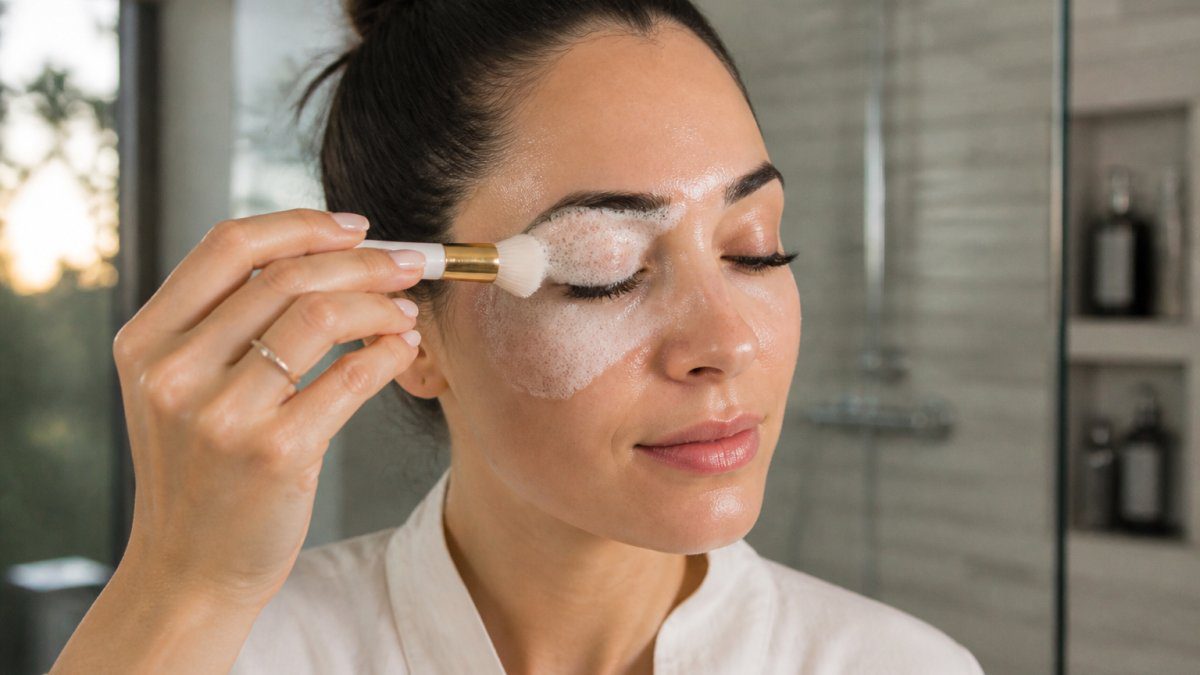
- Gently cleanse with your soft brush. Move in small circles along the lash line, then brush through the tips.
- Rinse thoroughly with clean, lukewarm water. Tilt your head back so water flows away from your eyes.
- Pat dry and air dry. Blot gently with a soft towel, then let lashes air dry completely before touching them.
Brush through your extensions with a clean spoolie while they air dry. This keeps lashes separated and prevents clumping as they set.
How Often to Wash Lash Extensions
Cleaning frequency is where professional advice splits. The Lash Professional’s infection control guidance recommends daily cleaning, while Starry Lashes’ lash cleaning guide suggests two to three times weekly for general upkeep.
| Your Situation | Cleaning Frequency | Why |
|---|---|---|
| Daily makeup wearer | Daily | Removes makeup residue before it hardens |
| Oily skin | Daily | Oil breaks down adhesive faster |
| Regular exerciser | Daily | Sweat and bacteria collect at the lash line |
| Minimal makeup, dry skin | 2-3 times weekly | Maintains hygiene without over-washing |
| Sensitive eyes | Daily, gentle formula | Prevents irritation from buildup |
Choosing a Lash Extension Shampoo and Cleanser
The right lash extension shampoo removes debris without stripping your adhesive. Look for a foaming, oil-free cleanser made for extensions.
Avoid oil-based products entirely. Oils break down cyanoacrylate adhesive, which is what holds your extensions in place. Check labels for hidden oils like coconut, argan, or mineral oil.
What to look for in a lash-safe cleanser:
- Oil-free formula that won’t weaken adhesive
- Gentle, fragrance-free ingredients for sensitive eyes
- Foaming texture that reaches the lash line
Micellar water can work in a pinch, but choose an oil-free version and rinse it off completely.
Oil-free is the non-negotiable rule. A cleanser that feels gentle but contains oil will slowly destroy your retention and cost you touch-up appointments.
Eye Infection Symptoms from Lash Extensions and When to See a Doctor
Knowing the warning signs matters more than any cleaning tip. Most irritation is mild and settles within a day or two. An infection behaves differently: it worsens, spreads, or produces discharge. The distinction is mechanical. Irritation is a surface response to friction, residue, or a stray fiber. Infection is microbial growth, usually bacteria from skin, hands, or contaminated water, that has colonized the lash follicle or the lid margin.
Irritation vs. infection: how to tell them apart
| Sign | Typical irritation | Possible infection |
|---|---|---|
| Redness | Mild, localized to the lash line, fades within hours | Spreading, deepening, or moving onto the lid |
| Swelling | Slight puffiness right after application | Firm swelling, especially one-sided |
| Discharge | None, or a small amount of clear tearing | Yellow, green, or crusty discharge |
| Sensation | Itch or mild grittiness that eases | Persistent pain, burning, or a foreign-body feeling |
| Vision | Unaffected | Blurring, light sensitivity, or pain with eye movement |
A common pattern: irritation peaks within the first 24 hours after a fill and then improves. Infection tends to build over two to four days and does not improve on its own.
Warning signs that need professional care
Seek prompt medical assessment, same day if possible, if you notice any of the following:
- Discharge that is yellow, green, or thick enough to crust the lashes together
- Redness that spreads beyond the lash line onto the eyelid or cheek
- Swelling that is firm, one-sided, or worsening
These signs can point to conjunctivitis, a stye, blepharitis, or a corneal issue. Only an eye-care professional can tell them apart. Do not try to self-treat with leftover antibiotic drops or home remedies, the wrong treatment can mask symptoms or make them worse.
What to do while you wait for your appointment
- Stop wearing extensions until you are cleared. Adhesive and extensions can trap debris and make cleansing painful.
- Do not pull or pick at extensions near the irritated area. Pulling can tear the natural lash and open the skin to more bacteria.
- Cleanse gently with a fragrance-free, oil-free lash cleanser only if your doctor approves it. Skip the brush if the lid is tender.
- Wash your hands before and after touching the eye area, and use a fresh towel each time.
- Remove makeup from the surrounding skin with an oil-free remover, but avoid the lash line until you are seen.
Never clean extensions over an eye with active discharge, spreading redness, or swelling. See a doctor first, then resume your routine once cleared. If your vision changes, treat it as urgent, call your eye doctor the same day rather than waiting for a routine appointment.
If you are unsure whether a symptom is irritation or infection, photograph the eye in daylight each morning. A pattern of worsening over two to three days is a stronger signal than any single snapshot, and it gives your doctor a useful timeline.
After the infection clears
Ask your eye doctor when it is safe to resume extension wear, often after symptoms have fully resolved and any prescribed drops are finished. When you restart, book a fresh set rather than a fill if the previous extensions were removed during treatment, and tell your lash artist what happened so they can adjust adhesive and aftercare. Health comes before lashes, and a short pause protects both.
Keeping Brushes, Towels, and Cleanser Containers Clean
Your cleaning tools can undo your good habits if they’re dirty. A grimy brush spreads bacteria straight back onto your lash line.
Simple hygiene rules for your kit:
- Rinse your lash brush after every wash and let it air dry fully
- Replace brushes every few weeks, or sooner if they look worn
- Wash towels after two to three uses, and use a fresh one weekly at minimum
Store your cleanser away from direct sunlight and keep the lid closed. Cross-contamination is the quiet culprit behind repeat irritation.
Cleaning Lash Extensions with Sensitive Eyes or an Active Eye Condition
Sensitive eyes and diagnosed eye conditions need a slower, more deliberate routine, and sometimes a pause. The goal is to remove debris without triggering a flare or spreading bacteria. That means changing how you cleanse, not just what you cleanse with.
Sensitive eyes without an active condition
If your eyes water easily, sting with fragranced products, or react to seasonal allergens, adjust the routine rather than skipping it:
- Use a fragrance-free, oil-free foaming cleanser and patch-test a small amount on the inner wrist before using it near the eyes.
- Keep water lukewarm, hot water strips the skin barrier and can worsen redness.
- Skip the brush if it irritates. Clean fingertips are gentler and still reach the lash line.
A common pattern with sensitive eyes: symptoms improve within a week of switching to a fragrance-free formula and rinsing more thoroughly. If they do not, stop and see an eye-care professional.
Active eye conditions: conjunctivitis, blepharitis, dry eye, and styes
When an eye condition is active, the priority shifts from routine cleaning to avoiding spread and supporting treatment.
| Condition | What to do | What to avoid |
|---|---|---|
| Conjunctivitis (pink eye) | Pause extension wear; wash hands frequently; use a fresh towel daily; follow your doctor’s treatment | Sharing towels or brushes; touching the unaffected eye after the affected one |
| Blepharitis | Follow your doctor’s lid-cleaning instructions; use a fragrance-free cleanser only if approved | Scrubbing the lash line; oil-based products that feed lid-margin debris |
| Dry eye | Keep the routine gentle and brief; use prescribed lubricating drops as directed | Over-washing; hot water; harsh cleansers that strip the tear film |
| Stye or chalazion | Apply warm compresses as directed; avoid makeup and extensions near the lid | Squeezing or popping the bump; wearing extensions over the affected area |
For any of these, ask your eye doctor before cleansing around the lash line with extensions in place. Cleaning over an active infection can spread bacteria and delay healing.
When to pause extensions entirely
Pause extension wear and see an eye-care professional if you have:
- Active discharge, spreading redness, or swelling
- Pain with blinking or light sensitivity
- A diagnosed infection that is still being treated
Resume only after your doctor clears you and symptoms have fully resolved. When you restart, tell your lash artist about the condition so they can adjust adhesive, placement, and aftercare.
Never clean extensions over an eye with active discharge or swelling. See a doctor first, then resume your routine once cleared. If you wear contact lenses, remove them before cleansing and follow your eye doctor’s guidance on lens wear during any eye condition.
Keep a separate, labeled set of tools for sensitive-eye cleansing, one brush, one towel, one cleanser, and store them away from shared bathroom items. This reduces cross-contamination and makes it easier to spot when a tool needs replacing.
Building a routine your eyes tolerate
Start with the gentlest version of the routine, fragrance-free cleanser, fingertips, lukewarm water, thorough rinse, pat dry, and add the brush back only if your eyes stay calm for a week. Consistency matters more than intensity. A brief, gentle cleanse every day beats an aggressive scrub every few days, especially for eyes that react easily.
Common Cleaning Mistakes That Undermine Lash Hygiene
Even careful clients make these errors. Each one quietly works against your lash hygiene.
- Rubbing your eyes instead of patting dry, which tugs adhesive and natural lashes
- Using oil-based makeup remover that dissolves the bond
- Skipping the lash line and only washing the tips
The fix for most of these is patience. Gentle, consistent cleaning beats aggressive scrubbing every time.
If you want a routine built around your specific lashes, our team at Lashes by Shigeru walks every client through aftercare. Our hypoallergenic approach and virtually weightless extensions are designed to be comfortable.
Frequently Asked Questions
How do I safely clean my eyelash extensions?
Wash your hands first, then use a lash-safe foaming cleanser and a soft brush to gently sweep along the lash line with your eyes closed. Rinse with lukewarm water, pat dry with a clean towel, and brush through the lashes. Avoid oil-based products, harsh chemicals, and rubbing. A consistent routine is the most reliable way to clean lash extensions without loosening the adhesive.
How often should I wash my lash extensions?
Cleaning-frequency advice varies across sources: The Lash Professional recommends daily cleaning, while Starry Lashes suggests 2-3 times weekly for general upkeep and daily washing for people who wear makeup every day or have oily skin. If you sweat heavily or wear makeup, daily cleaning is the safer choice to prevent buildup and reduce infection risk.
What should I do if I think I have an eye infection from lash extensions?
Stop using the extensions and any new products, and do not try to remove the lashes yourself. See a doctor if you have redness, swelling, discharge, pain, or blurred vision. Your doctor can diagnose the cause and advise on removal if needed.
Can I just use water to clean my eyelash extensions?
Water alone does not remove oils, makeup residue, or debris that accumulate along the lash line. A lash-safe foaming cleanser or lash extension shampoo is needed to break down buildup. Use lukewarm water for rinsing, and follow with a clean towel and soft brush. Avoid hot water and harsh chemicals, which can weaken adhesive and irritate sensitive eyes.
Clean lashes are the foundation of a comfortable, long-lasting set. If you’re tired of irritation, weak retention, or complicated aftercare, we can help. At Lashes by Shigeru, our Japanese AirLash® technique, hypoallergenic adhesives, and virtually weightless application give you lashes that are easy to maintain and gentle on sensitive eyes. Book an appointment and let our master stylist build a set that fits your routine.
No Comments