
Signs of Dirty Lash Extensions: What to Look For
Table of Contents
- Signs of Dirty Lash Extensions You Shouldn’t Ignore
- Irritation vs. Allergic Reaction: How to Tell the Difference
- How to Clean Lash Extensions Without Damaging Them
- Why Do Lash Extensions Fall Out? Shedding vs. Buildup
- Your Daily Lash Extension Aftercare Routine
- Risks of Poor Lash Hygiene: Blepharitis and Infections
- When to See a Professional Lash Technician
- Frequently Asked Questions
Last Updated: October 20, 2026
Signs of Dirty Lash Extensions You Shouldn’t Ignore
Dirty lash extensions announce themselves before they cause real damage. Crusting along the lash line, lashes that stick together, and a gritty feeling when you blink are the earliest warnings. Catching these signs of dirty lash extensions early keeps your natural lashes healthy and your extensions looking fresh.
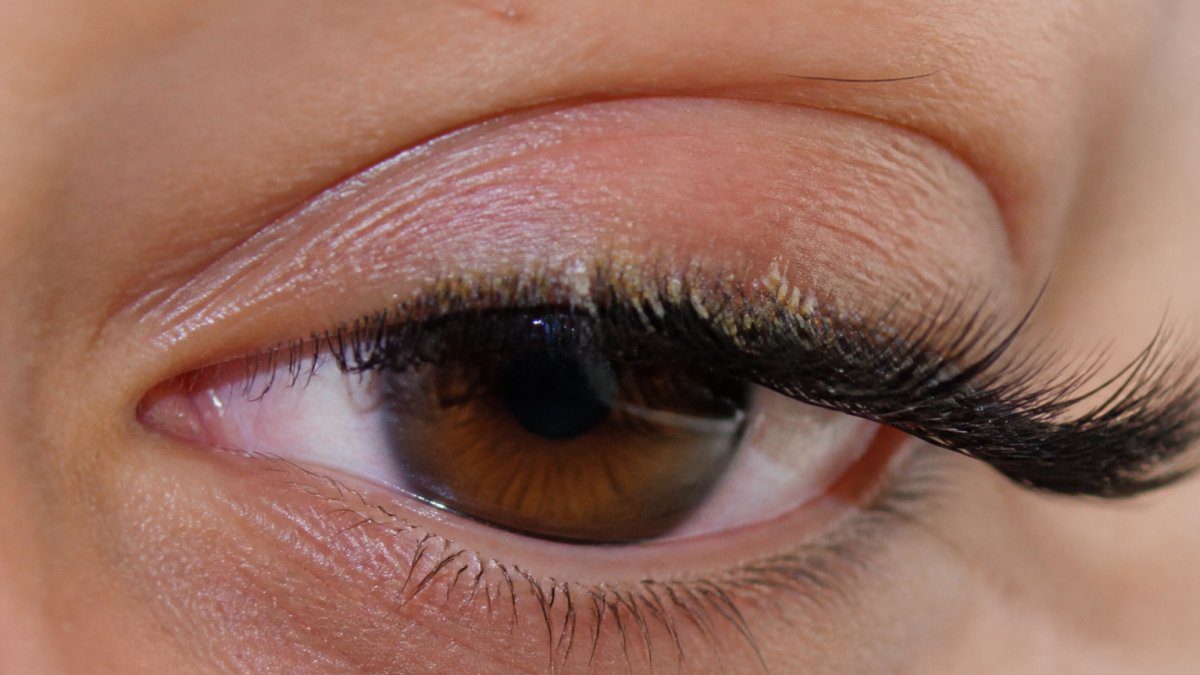
Lash extensions are tiny fibers bonded to individual natural lashes. That bond creates a small ledge where oil, sebum, and makeup collect. Without regular cleaning, buildup hardens and pulls at the lash follicles.
Crusting, Clumping, and Gritty Sensation
Crusting looks like white or yellow flecks stuck where the extension meets your natural lash. Clumping means two or more extensions fuse together. A gritty sensation is the feeling of debris trapped against your eyelid.
These three signs often show up together. Many clients describe it as “sleep in the eye” that never rinses away. That texture is oil buildup mixed with dead skin cells and old mascara residue.
Redness, Itchiness, and Eyelid Swelling
Redness and itchiness around the lash line point to irritation. Eyelid swelling or puffiness is a step up in severity. These symptoms mean the skin barrier is reacting to something sitting on it too long.
Irritation from debris is common and usually settles once the lashes are cleaned. Swelling that persists needs a closer look from a professional.
Never scrub or pick at crusted buildup. Picking can pull out a natural lash at the root and leave a gap that takes weeks to grow back. Clean gently with a proper lash shampoo instead.
Irritation vs. Allergic Reaction: How to Tell the Difference
Irritation and allergy look similar but behave differently, and telling them apart determines whether you clean, wait, or call a doctor. Irritation is a response to debris, friction, or a product sitting on the skin. An allergic reaction is your immune system reacting to an ingredient, most often the cyanoacrylate adhesive used to bond extensions.
The timeline is your first clue
Watch the timing. Irritation tends to build slowly over days of poor hygiene, the lash line gets progressively grittier, then pink, then itchy. An adhesive allergy often shows up within 24 to 48 hours of a fresh set, with redness, swelling, and intense itchiness that peaks rather than plateaus. A reaction that appears weeks into a set you’ve worn before is more likely irritation or a hygiene issue than a new allergy.
Location and pattern matter
Irritation stays close to the lash line, following the contour of the eyelid margin. An allergic reaction can spread to the eyelid and the skin around the eye, and contact dermatitis from adhesive often follows the shape of the bond, a band of redness exactly where the extensions attach. If the redness extends beyond the lash line onto the brow bone or cheek, that pattern points away from simple debris irritation.
A simple self-assessment framework
Use this three-question check before you decide what to do:
- When did it start? Within 48 hours of a fresh set points toward allergy; days into a worn set points toward irritation.
- Does cleaning help? If a gentle lash shampoo wash reduces redness and grit within a few hours, debris was the likely cause.
- Is it spreading? Symptoms that move beyond the lash line, or that worsen after cleaning, warrant a professional look.
The fear-of-shedding trap
A common pattern among clients is avoiding washing because they’re afraid lashes will fall out. That fear backfires. Natural lashes shed on a cycle regardless of cleaning, and skipping washes lets oil and debris harden at the bond, which weakens adhesive and causes more clustered loss, not less. Gentle daily cleaning removes debris without pulling at the bond, so the lashes you lose are the ones you were going to lose anyway.
If you suspect an adhesive allergy, stop using the lashes and speak with a doctor. Do not try to “wait it out” with a reaction that is getting worse. For irritation that improves with cleaning, a consistent hygiene routine is usually enough.
How to Clean Lash Extensions Without Damaging Them
Cleaning lash extensions takes about two minutes and protects both your lashes and your investment. The goal is to lift oil and debris without pulling at the bond. Most cleaning advice stops at “use lash shampoo,” but the right technique depends on your set, classic, volume, and hybrid lashes trap debris differently and need different handling.
The universal steps
- Wash your hands with a mild, oil-free soap.
- Wet a soft cleansing brush with lukewarm water.
- Apply a small amount of lash shampoo to the brush.
- Close one eye and gently sweep the brush along the lash line, working from inner corner outward.
- Rinse with water, pat dry with a lint-free cloth, and brush the lashes with a clean spoolie.
Use lukewarm water, never hot. Hot water softens adhesive over time. Skip oil-based cleansers, since oil breaks down the bond and causes premature shedding.
Set-specific cleaning: classic vs. volume vs. hybrid
Classic lashes are one extension per natural lash, which leaves more open space along the lash line. Debris tends to collect at the base rather than between fibers. A soft brush and a gentle sweep are usually enough; there’s little risk of tangling because the fibers don’t share a bond.
Volume lashes use fans of multiple lightweight extensions per natural lash, which creates dense pockets where oil, sebum, and makeup collect. These fans trap debris between the fibers, so volume sets benefit from a slightly more deliberate brush motion, short, back-and-forth strokes at the base rather than long sweeps, and from cleaning twice daily if you wear eye makeup. A spoolie alone won’t reach between the fan fibers; the cleansing brush does the work.
Hybrid lashes mix classic and volume sections, usually with volume fans concentrated at the outer corner. Clean the volume zones with the short-stroke method and the classic zones with a simple sweep. Pay extra attention to the outer corner, where eye makeup and oil tend to accumulate.
Tools that actually matter
- Cleansing brush: soft, synthetic, and dedicated to lashes only. A clean makeup brush works if it’s never touched oil-based product.
- Lash shampoo: formulated for extensions, oil-free, and pH-balanced. A common pattern is that clients substitute baby shampoo, which is gentle but not formulated to break down sebum at the bond.
- Lint-free cloth: paper towels and cotton pads leave fibers behind that add to buildup.
- Spoolie: for separating lashes after drying, not for scrubbing the lash line.
Clean your lashes before bed, not in the morning. Overnight is when oil and debris sit longest against the lash line, so a nighttime lash bath gives the adhesive a clean surface to hold through sleep.
Why Do Lash Extensions Fall Out? Shedding vs. Buildup
Some lash loss is normal. Every person sheds natural lashes on a cycle, and an extension attached to a shedding lash goes with it. This is healthy shedding, and it happens gradually across the set.
Buildup-driven loss looks different. When debris hardens at the base, it weighs down the lash and weakens the adhesive. You may notice several extensions dropping at once, often with a crusty base.
Here is how the two compare:
| Sign | Natural Shedding | Buildup-Related Loss |
|---|---|---|
| Timing | Spread evenly over weeks | Clustered, several at once |
| Lash base | Clean and clear | Crusty or clumped |
| Skin feel | Normal | Gritty or itchy |
| Fix | Regular fills | Deep clean and a fill |
If your extensions seem to vanish after a week, buildup is a likely cause. A clean lash line holds adhesive far better.
Your Daily Lash Extension Aftercare Routine
A simple lash extension aftercare routine keeps lashes clean without extra effort. Consistency matters more than intensity.
- Morning: Brush lashes with a clean spoolie and skip mascara.
- Daytime: Avoid rubbing your eyes and keep oily face products away from the lash line.
- Evening: Clean with lash shampoo and a cleansing brush, then pat dry.
- Weekly: Check for clumping or crusting and book a fill if you spot it.
Skip waterproof makeup and oil-based removers. Both weaken adhesive and add to oil buildup. Keep your hands off your lashes during the day, since touching transfers oil from your fingers.
Risks of Poor Lash Hygiene: Blepharitis and Infections
Poor hygiene raises the risk of blepharitis, an inflammation of the eyelid margin. Symptoms include redness, crusting at the lash base, and a gritty sensation. Blepharitis is often linked to debris and oil buildup along the lash line.
Bacterial infection is another risk. Trapped debris creates a warm, moist spot where bacteria multiply. Signs include swelling, tenderness, and discharge. Lash mites, tiny organisms that live near hair follicles, also thrive when oil and debris collect.
These problems are treatable but uncomfortable, and they can interrupt your extension routine. Clean lashes are the simplest defense.
When to See a Professional Lash Technician
Book a visit with a lash technician when you notice persistent redness, swelling, or pain. A professional can assess whether the issue is irritation, an allergy, or something that needs a doctor.
See a technician sooner if:
- Crusting returns within a day of cleaning
- Several extensions fall out at once
- Your lash line stays red or itchy after cleaning
- You feel a gritty sensation that will not go away
At Lashes by Shigeru, our team uses the proprietary Japanese AirLash® technique with virtually weightless extensions and hypoallergenic adhesives we manufacture ourselves.
If you are unsure whether your symptoms are hygiene-related or a reaction, a consultation clears it up fast. Our master stylist Shigeru Hanai brings years of experience in Tokyo and New York City to every appointment.
The earliest signs of dirty lash extensions are crusting, clumping, and a gritty feeling along the lash line. Daily cleaning with lash shampoo prevents most of them.
Frequently Asked Questions
Can dirty lash extensions cause blepharitis?
Yes. Blepharitis is inflammation of the eyelid margin, and built-up oil, makeup residue, and debris along the lash line create conditions where bacteria and lash mites multiply. That buildup is a common trigger for blepharitis symptoms like crusting, redness, and a gritty sensation. If you notice persistent crusting despite regular cleaning, or swelling that does not settle, stop wearing extensions and see an eye doctor. A lash technician can help you reset your hygiene routine once the inflammation clears.
How often should you wash your lash extensions?
Clean your lash extensions once daily with a lash shampoo and cleansing brush. If you wear makeup, sweat heavily, or have oily skin, a second gentle cleanse can help. Use a soft brush and work along the lash line where oil buildup collects, then rinse with water and pat dry with a lint-free cloth. Avoid oil-based cleansers, which break down adhesive and shorten retention. A consistent daily lash bath is the single biggest factor in preventing debris and premature shedding.
Why are my eyes red after getting lash extensions?
Mild redness right after an appointment can come from the adhesive fumes or the eye staying open slightly during application, and it usually fades within a few hours. Redness that appears days later, along with itchiness or puffiness, points to irritation from buildup or an allergic reaction to the adhesive. Clean the lashes gently and monitor. If redness persists beyond 24 to 48 hours or comes with swelling, see a professional or eye doctor before booking a fill.
What causes gunk on eyelashes and how do I prevent it?
Gunk on lashes is usually a mix of sebum, makeup residue, dead skin, and dust trapped at the base of the extensions. Sleeping in eye makeup and skipping daily cleansing makes it worse. Prevent it by cleansing every day with lash shampoo, avoiding oil-based products near the eyes, and keeping hands off your lashes. If you notice crusting that returns quickly after cleaning, book a professional lash bath with your technician to reset the lash line.
Dirty lash extensions are easier to prevent than to fix, and a two-minute daily clean does most of the work. If you want a set that stays clean, comfortable, and natural-looking, Lashes by Shigeru offers hypoallergenic extensions, in-house adhesives, and results that last up to five weeks. Book an appointment with our team and start with lashes built for sensitive eyes and easy aftercare.
No Comments