

Why Lash Extensions Fall Out: Common Causes & Prevention
Table of Contents
- Natural Lash Shedding vs. Premature Extension Fallout
- Why Are My Lash Extensions Falling Out: The Most Common Causes
- Lash Extension Aftercare Tips to Prevent Premature Shedding
- How to Make Lash Extensions Last Longer: Your Retention Timeline
- Health, Hormones, and Seasonal Factors Affecting Lash Retention
- When Extension Loss Signals a Professional Problem
- Frequently Asked Questions
Last Updated: October 4, 2026
Natural Lash Shedding vs. Premature Extension Fallout
Your natural lashes shed constantly. This is completely normal and happens to everyone.
But lash extensions falling out prematurely is different. When extensions start dropping off after just a few days or weeks instead of lasting the full 4 to 5 weeks, something is wrong.
The key difference? Natural lash shedding happens gradually and evenly across your lash line. Premature extension loss shows up as clumps falling out, bare patches, or sudden gaps.
If you’re losing a few extensions here and there as part of the natural cycle, that’s expected.
Why Are My Lash Extensions Falling Out: The Most Common Causes
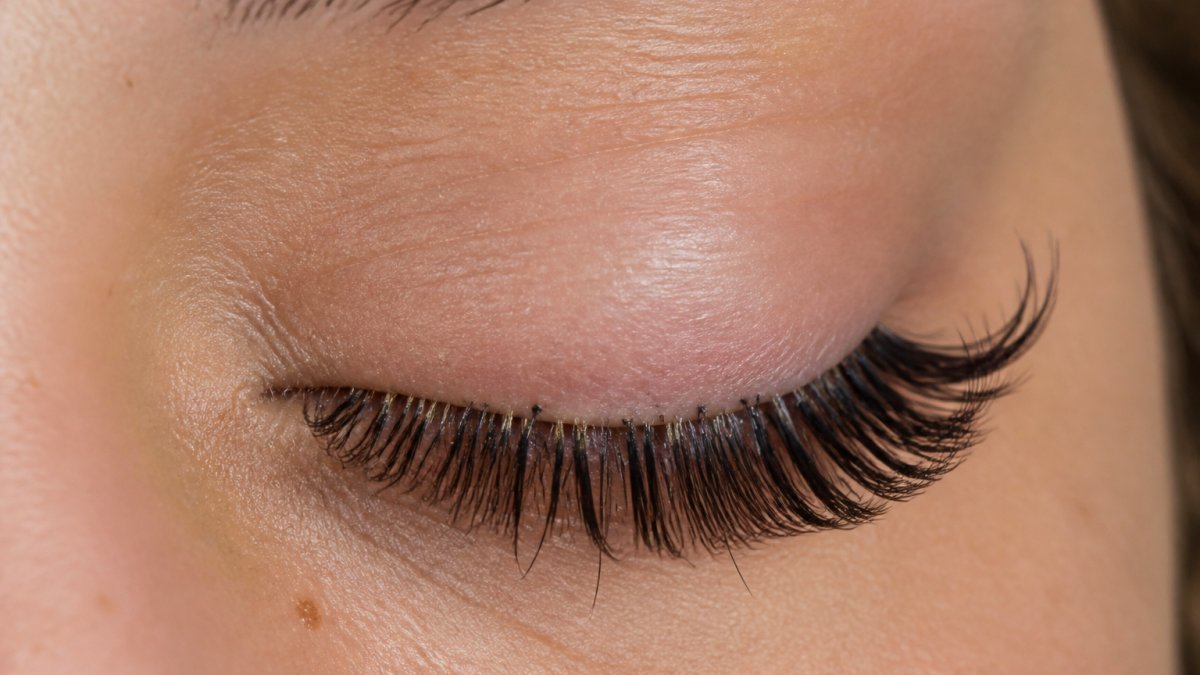
Most premature shedding comes down to one of six controllable factors. Understanding which one applies to you helps you fix the problem and protect your natural lashes.
Poor Aftercare and Cleansing Habits
This is the number one reason extensions fall out early. Many people think extensions need to stay completely dry and untouched. That’s backwards.
Your extensions actually need gentle, regular cleansing. When you skip washing, oil and debris build up at the lash line. This weakens the adhesive bond and causes extensions to slip off.
The mistake most clients make is using the wrong cleanser. Oil-based makeup removers, regular facial cleansers, and even some lash shampoos contain ingredients that break down the adhesive.
Here’s what proper cleansing looks like:
- Use a sulfate-free, oil-free lash cleanser designed for extensions
- Gently brush through extensions daily with a clean spoolie
- Rinse with lukewarm water, never hot
- Pat dry with a lint-free cloth
- Avoid rubbing or pulling while cleaning
Skip cleansing for a few days and you’ll notice extensions start falling out faster. The buildup at the base weakens the bond that holds them in place.
Oil-Based Products and Oil Exposure
Oil is the enemy of lash extension adhesive. Even tiny amounts break down the bond that holds extensions to your natural lashes.
Natural oils from your skin migrate to your lash line throughout the day. This is normal. But when you add extra oil through products, you’re accelerating the problem.
Common culprits include:
- Makeup removers with oil
- Moisturizers applied too close to the lash line
- Hair oils and serums
- Coconut oil or argan oil products
- Oil-based sunscreen
- Certain eye creams and treatments
Even a small amount matters. One application of an oil-based product can weaken the adhesive bond enough to cause extensions to fall out within days.
The solution is simple: keep oil away from your lash line.
Excess Moisture and Water Exposure
Water itself doesn’t damage extensions. But excess moisture, especially during the first 24 to 48 hours after application, prevents the adhesive from curing properly.
Fresh adhesive needs time to set. When moisture hits the bond before it’s fully hardened, the extension won’t stick as well as it should.
After your appointment, avoid:
- Showers and baths for 24 hours
- Excessive sweating or gym sessions
- Swimming or hot tubs for at least 48 hours
- Crying or getting your lashes very wet
- Humidity-heavy environments like saunas
Even after the initial curing period, prolonged water exposure weakens bonds over time. Chlorine from pools is especially harsh and can degrade adhesive faster.
This doesn’t mean you can’t wash your face or shower normally after 24 hours. Just avoid getting your lashes soaking wet and pat them dry gently afterward.
Picking, Rubbing, or Pulling at Extensions
Mechanical stress is one of the fastest ways to lose extensions. Your lash line is delicate, and extensions add weight to each natural lash.
When you pick, rub, or pull at extensions, you’re putting pressure on the bond. You’re also risking damage to your natural lashes underneath.
Common habits that cause this:
- Rubbing eyes when tired or itchy
- Picking at extensions out of habit or anxiety
- Sleeping face-down in your pillow
- Using a mechanical eyelash curler on extensions
- Aggressive brushing or combing
- Tugging at extensions to test if they’re secure
Even light, repeated rubbing adds up. Over a few days, the constant mechanical stress weakens the adhesive enough for extensions to drop.
The fix requires awareness and habit change. Keep your hands away from your lashes. Sleep on your back if possible. If your eyes feel itchy, use eye drops instead of rubbing.
Application Technique and Adhesive Issues
Not all extension loss is your fault. Sometimes the problem starts during the appointment.
Poor application technique is a major cause of premature shedding. This includes:
- Applying extensions to multiple natural lashes instead of isolating one
- Placing extensions too far from the lash line
- Using too much or too little adhesive
- Not allowing adhesive to cure fully before dismissing the client
- Using old or expired adhesive
- Applying extensions at the wrong angle
When extensions aren’t properly isolated and attached to individual natural lashes, they don’t bond securely. When the bond isn’t placed close enough to the lash line, the extension has too much use and falls out easily.
This is why technician skill and experience matter. At Lashes by Shigeru, our master lash stylist Shigeru Hanai uses the proprietary Japanese AirLash® technique, which ensures precise isolation and secure attachment.
If you’re consistently losing extensions within the first week across multiple visits, the issue likely lies with application technique. Switching to an experienced technician often solves the problem immediately.
Lash Extension Aftercare Tips to Prevent Premature Shedding
Proper aftercare is your best defense against premature shedding. These habits protect your extensions and your natural lashes.
Daily Cleansing Without Damaging Extensions
Clean lashes are healthy lashes. Cleansing removes oil, debris, and bacteria that weaken adhesive bonds.
Use this daily routine:
Morning and evening:
- Apply lash cleanser to a clean spoolie or soft brush
- Gently brush through extensions from root to tip
- Rinse with lukewarm water
- Pat dry with a lint-free cloth
- Brush through again to set the direction
The key is gentleness. You’re not scrubbing or pulling. You’re loosening debris and rinsing it away.
Many clients skip cleansing because they worry about damaging extensions. The opposite is true. Dirty extensions fall out faster than clean ones. Daily cleansing with the right product actually extends how long your extensions last.
Sleeping Position and Nighttime Care
How you sleep affects how long your extensions last. Sleeping face-down puts pressure on your lashes all night, which weakens bonds gradually.
Sleep on your back when possible. If you can’t, use a silk or satin pillowcase instead of cotton. Silk reduces friction and puts less stress on extensions.
Before bed:
- Make sure extensions are completely dry
- Brush through them gently to set direction
- Avoid sleeping with wet lashes (they’re more fragile when damp)
- Keep your hands away from your face
Poor sleep quality and stress can also affect retention. When you’re exhausted or stressed, you’re more likely to rub your eyes unconsciously. Prioritize rest to protect your extensions.
Avoiding Oil and Water Exposure
This is non-negotiable. Oil and water are the two biggest threats to extension retention.
For oil exposure:
- Keep skincare products away from your lash line
- Avoid oil-based makeup and removers
- Don’t use hair oils or serums near your eyes
- Be mindful of natural skin oils (they’re normal, just keep them in check)
For water exposure:
- Wait 24 hours after your appointment before showering
- Avoid pools and hot tubs for at least 48 hours
- Don’t deliberately soak your lashes
- Pat dry gently after normal water exposure
- Avoid saunas and steam rooms for the first week
These aren’t strict rules forever. After the initial curing period, normal daily water exposure is fine. Just avoid prolonged soaking and chlorine.
How to Make Lash Extensions Last Longer: Your Retention Timeline
Understanding the normal retention timeline helps you know when something’s wrong.
Weeks 1-2: Extensions should feel secure and look full.
Weeks 2-4: This is the sweet spot. Extensions look great and feel comfortable.
Weeks 4-5: Extensions start looking noticeably thinner as natural lash shedding increases.
Week 5+: Time for a fill appointment. Your natural lashes have cycled out, and extensions have fallen with them.
Most clients schedule fills every 3 to 4 weeks. This keeps lashes looking full without waiting until they’re sparse.
If you’re losing extensions faster than this timeline suggests, investigate the cause. Common culprits are poor aftercare, oil exposure, or application issues.
Health, Hormones, and Seasonal Factors Affecting Lash Retention
Your body’s condition affects how well extensions stick around. These factors are often overlooked but surprisingly important.
Hormonal changes impact lash growth and shedding cycles.
Thyroid issues affect hair growth across your body, including eyelashes.
Nutritional deficiencies weaken natural lashes.
Stress and poor sleep increase shedding. When you’re stressed, your body prioritizes survival over hair growth.
Seasonal changes matter too.
Medications like blood thinners, allergy meds, and certain antibiotics can increase shedding.
Illness and fever trigger temporary increased shedding. Your body redirects resources away from hair growth during illness.
None of these factors are your fault. But recognizing them helps you set realistic expectations for retention.
When Extension Loss Signals a Professional Problem
Sometimes premature shedding means you need a different technician.
Red flags that point to application issues:
- You’re losing extensions in the same area consistently
- Extensions are falling out in clumps rather than gradually
- You’re losing extensions within the first 3 days after your appointment
- Extensions feel uncomfortable or heavy
- Your natural lashes feel irritated or sore
- You see redness or swelling at the lash line
Red flags that point to adhesive problems:
- All your extensions start falling out suddenly around day 10 to 14
- Retention is inconsistent from appointment to appointment
- Extensions feel sticky or clumpy
- You notice a strong chemical smell during application
Old or improperly stored adhesive causes this. Quality matters. Professional-grade adhesive formulated for sensitive eyes makes a difference.
When to switch technicians:
At Lashes by Shigeru, we use in-house manufactured adhesives and products formulated specifically for long-lasting retention and sensitive eyes.
Premature lash extension shedding usually comes down to aftercare, oil exposure, or application technique. Most problems are fixable once you identify the cause.
Start by evaluating your daily habits. Are you cleansing regularly with the right product? Keeping oil away from your lash line?
If you’ve cleaned up your aftercare and extensions are still falling out faster than expected, the issue might be with application.
Frequently Asked Questions
Is it normal for lash extensions to shed every day?
Yes, minimal daily shedding is normal. Your natural lashes shed 1-5 per day as part of the natural lash growth cycle. Extensions attached to those natural lashes will fall out with them. However, losing more than 5-7 extensions per day or noticing patchy gaps signals premature fallout, often caused by poor aftercare, oil exposure, or application issues. Track your shedding for a few days to establish what’s normal for you, then adjust your routine if the rate increases suddenly.
Can oily skin or skincare products make lash extensions fall out?
Absolutely. Oil breaks down lash adhesive, causing extensions to detach prematurely. Oil-based makeup removers, facial oils, moisturizers, and even natural skin oils near the lash line can weaken the bond. Use only oil-free, extension-safe cleansers and avoid oil-based primers, concealers, and serums on or near the eye area. If you have naturally oily skin, cleanse your lashes gently with a foaming, oil-free cleanser twice daily to remove oil buildup without tugging.
How can I tell whether my natural lashes are shedding or my extensions are falling out?
Natural lash shedding happens gradually throughout the day and goes unnoticed. Extension fallout appears as visible gaps or several lashes missing at once. If you see clumps of extensions on your pillow, in the shower, or notice bare patches on your lash line within the first 2-3 weeks, that’s premature shedding, not normal. Natural shedding accelerates after week 3 as your lash cycle progresses. If fallout happens suddenly or unevenly, suspect poor application, oil exposure, or rough handling rather than natural lash loss.
What’s the real maintenance like for lash extensions?
Daily maintenance takes just 2-3 minutes. Cleanse your lashes gently each morning and evening with an oil-free foaming cleanser and a soft brush, avoid rubbing your eyes, sleep on your back when possible, and skip oil-based products around the eyes. Avoid swimming, saunas, and heavy sweating for the first 48 hours after application. Beyond that, simple daily habits prevent most premature shedding. Most clients find the routine manageable and worth it for the long-lasting wear time.