
Best Lash Serums for Damaged Eyelashes: Top 8 Picks for 2026
Table of Contents
- Quick Comparison: Best Lash Serums for Damaged Eyelashes
- 1. Lashes by Shigeru Eyelash Growth Serum: Best for Post-Extension Recovery
- 2. RevitaLash Advanced Eyelash Conditioner: Best for Sensitive Eyes
- 3. The Ordinary Multi-Peptide Lash and Brow Serum: Best Budget Option
- 4. RapidLash Eyelash Enhancing Serum: Best for Breakage Prevention
- 5. Babe Lash Original Serum: Best for Volume Boost
- 6. Latisse: Best Prescription Option for Significant Thinning
- 7. RODAN + FIELDS Lash Boost: Best Premium Conditioner
- How to Repair Damaged Eyelashes from Extensions
- How Long for Eyelashes to Grow Back?
- Choosing an Ophthalmologist Approved Lash Serum
- Frequently Asked Questions
Last Updated: September 30, 2026
Quick Comparison: Best Lash Serums for Damaged Eyelashes
Damaged lashes rarely recover on their own. Whether the cause is extensions, aggressive curling, or a harsh adhesive, the follicle needs consistent support. Lash serums built for repair prioritize conditioning, flexibility, and breakage resistance over dramatic lengthening. This guide from Lashes by Shigeru covers eight options for 2026.
How We Evaluated These Serums
We scored each product on ingredient safety for compromised lashes, evidence of conditioning benefit, application comfort, and value. Formulas with prostaglandin analogues were flagged for their risk profile, including eyelid irritation and pigmentation changes. We prioritized ophthalmologist-tested or dermatologist-approved options and weighted post-extension recovery heavily.
| Product | Best For | Key Ingredient Focus | Starting Price |
|---|---|---|---|
| Lashes by Shigeru Eyelash Growth Serum | Post-extension recovery | Lash restoration blend | Contact for pricing |
| RevitaLash Advanced | Sensitive eyes | BioPeptin Complex | $100 |
| The Ordinary Multi-Peptide | Budget buyers | Multi-peptide | $15 |
| RapidLash | Breakage prevention | Biotin, panthenol | $50 |
| Babe Lash Original | Volume boost | Nutrient-rich blend | $65 |
| Latisse | Significant thinning | Bimatoprost | Prescription |
| RODAN + FIELDS Lash Boost | Premium conditioning | Peptides, polymers | $138 |
1. Lashes by Shigeru Eyelash Growth Serum: Best for Post-Extension Recovery
Our top pick comes from a salon that manufactures its own formulas rather than white-labeling. Lashes by Shigeru built its serum for clients recovering from extension wear, treating brittle lashes with conditioning first, stimulation second.
Key Features
- Formulated for lash restoration rather than maximum length
- Targets brittle, breakage-prone lashes
- Backed by in-house manufacturing, so the formula is controlled end to end
- Pairs with the salon’s hypoallergenic extension adhesives for clients transitioning between services
Pros and Cons
Pros: Highly rated for real results, curated for lash health, and produced by a team with over a decade of hands-on lash work.
Anyone recovering from extension damage who wants a professional-grade serum rather than a mass-market conditioner.
2. RevitaLash Advanced Eyelash Conditioner: Best for Sensitive Eyes
Physician-developed and clinically tested, RevitaLash is the safest bet for reactive eyes. The BioPeptin Complex softens brittle lashes while improving flexibility, and the formula avoids the prostaglandin analogues that trigger irritation.
Key Features
- BioPeptin Complex for strength and shine
- Gentle enough for sensitive eyes
- Clinically tested for safety
Pros and Cons
Pros: Non-irritating, effective at softening brittle lashes, widely available.
Cons: At $100, it’s one of the pricier non-prescription options.

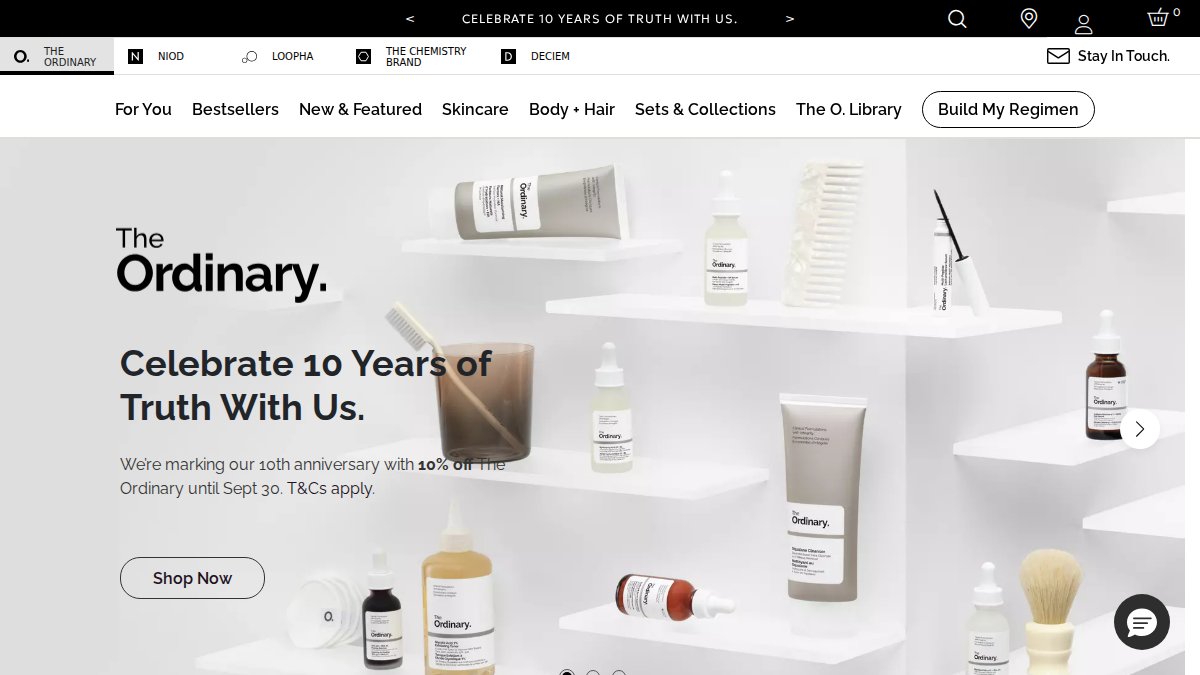
3. The Ordinary Multi-Peptide Lash and Brow Serum: Best Budget Option
At $15, this water-based serum undercuts nearly everything else on the list. Its multi-peptide technology nourishes and protects lashes to improve density over time, with no greasy residue.
Key Features
- Multi-peptide technology
- Water-based, non-greasy formula
- Affordable enough to use on brows too
Pros and Cons
Pros: Very affordable, lightweight, easy to apply.
Cons: Results take longer to appear than with stronger formulas.
4. RapidLash Eyelash Enhancing Serum: Best for Breakage Prevention
RapidLash targets the problem that plagues damaged lashes: snapping mid-shaft. Polypeptides plus biotin and panthenol condition the lash so it bends instead of breaks, and the ophthalmologist-tested formula suits daily use.
Key Features
- Polypeptide technology
- Biotin and panthenol enriched
- Ophthalmologist tested
Pros and Cons
Pros: Easy to find in retail stores, effective at reducing lash breakage.
Cons: Requires consistent daily application to maintain results.
5. Babe Lash Original Serum: Best for Volume Boost
Babe Lash delivers a noticeable density boost, and the brand offers prostaglandin-free versions for users who want volume without the risks. The nutrient-rich formula conditions existing lashes while supporting new growth.
Key Features
- Prostaglandin-free options available
- Nutrient-rich formula
- Easy-to-use applicator
Pros and Cons
Pros: Fast-acting results, simple application.
Cons: Pricey relative to bottle size.
6. Latisse: Best Prescription Option for Significant Thinning
Latisse is the only FDA-approved prescription treatment for hypotrichosis, the medical term for inadequate lashes. Its active ingredient, bimatoprost, is clinically proven to make lashes longer, thicker, and darker, but it requires a medical consultation and carries a real side-effect profile.
Key Features
- FDA-approved bimatoprost
- Clinically proven growth
- Requires medical consultation
Pros and Cons
Pros: Strongest clinical evidence of any option here, proven medical efficacy.
Prostaglandin analogues like bimatoprost can permanently darken the iris and cause eyelid skin darkening (DailyMed). If you have light-colored eyes or a history of eye pressure issues, discuss risks with an ophthalmologist before starting.
7. RODAN + FIELDS Lash Boost: Best Premium Conditioner
Lash Boost is a nightly conditioning treatment built around peptides and conditioning polymers. It improves the appearance of length and volume without prostaglandins, for users willing to pay for visible improvement.
Key Features
- Conditioning polymers
- Peptide blend
- Nightly application
Pros and Cons
Pros: High-quality ingredients, effective conditioning.
Cons: At $138, it’s the most expensive non-prescription option on this list.
How to Repair Damaged Eyelashes from Extensions
Most articles tell you to “take a break and use a serum.” That is not a protocol. Extension damage has distinct causes, cyanoacrylate adhesive bonds, removal solvent, and the traction of a lash heavier than the natural hair supporting it, and each calls for a different recovery move.
Phase 1: Removal and the first 72 hours
Do not pull, pick, or tug at leftover adhesive or stray extensions. Mechanical removal is the most common cause of follicular trauma, pulling a lash out of the anagen (active growth) phase before it is ready to shed. For adhesive residue, use a lash-safe oil-based or cream remover and let it do the work rather than friction.
Phase 2: Weeks 1-2, calm the lash line
This is the inflammation window. If your lids are red, itchy, or flaky, that is a reaction to adhesive or solvent, not a serum problem, and adding an active serum now will make it worse. Use a preservative-free lubricating eye drop if your eye doctor recommends one, and consider a thin layer of petrolatum along the lid margin at night.
Phase 3: Weeks 2-8, condition and protect
Apply a peptide- or biotin-based conditioning serum nightly along the upper lash line, not on the lashes themselves. The follicle is where repair happens. Pair it with these habits:
- Sleep on your back or on a silk pillowcase. Cotton pulls at lashes overnight and accelerates breakage.
- Stop the curler entirely for at least 8 weeks. A curler stresses the lash at the bend point, which is exactly where damaged lashes snap.
- Switch to a tubing or gentle washable mascara if you must wear it, and remove it with a non-rubbing cleanser.
- Do not schedule a fill or a new set. The follicle needs the telogen (resting) phase to complete before a new lash anchors properly.
Phase 4: Weeks 8-12, reassess before rebooking
By week 8, you should see new growth along the lash line, short, fine lashes that were not there before. If the lash line still looks sparse at week 10 to 12, see a dermatologist or ophthalmologist rather than book another extension appointment.
Recovery is not one decision, it is four phases across roughly 12 weeks. The serum is only one input. Removing mechanical stress, waiting out inflammation, and delaying rebooking matter just as much.
How Long for Eyelashes to Grow Back?
Eyelashes fully regenerate in about six to ten weeks under normal conditions, but “normal” is doing a lot of work there. The upper lashes cycle faster than the lower lashes, and the timeline shifts with age, hormones, and how much damage reached the follicle.
The three phases, and what actually controls them
- Anagen (active growth): Roughly 30 to 45 days for upper lashes. The follicle is producing a new hair shaft. This is the only phase where a growth-stimulating serum can meaningfully extend output.
- Catagen (transition): About 2 to 3 weeks. Growth stops and the follicle begins to shrink. Nothing you apply topically changes this phase.
- Telogen (resting): Roughly 100 days. The lash sits anchored but dormant, then sheds. A new lash begins forming underneath.
That math is why a full recovery cycle takes two to three months, not two to three weeks. You cannot compress telogen, only make sure the next anagen produces a stronger lash.
The hormonal angle most guides skip
Lash shedding is not purely mechanical. The lash follicle is hormone-sensitive, and the same shifts that affect scalp hair affect lashes:
- Perimenopause and menopause are commonly associated with thinning lashes because declining estrogen shortens the anagen phase. Women in this window often find that a conditioning serum helps density but does not restore the length they had a decade earlier.
- Postpartum shedding typically peaks around three to four months after delivery as estrogen drops back to baseline. This is temporary, and lashes usually recover on their own within six to twelve months.
- Thyroid changes, both hypo- and hyperthyroidism, are well-known causes of diffuse lash and brow thinning. If your lashes are shedding evenly across the whole lash line with no history of extensions or trauma, that pattern is worth a conversation with a physician rather than another serum purchase.
- Age alone gradually shortens anagen. Most people over 50 have a naturally thinner, shorter lash line than they did at 30, independent of any damage.
What this means for your expectations
If your damage is mechanical, extensions, curlers, adhesive, the follicle is intact and the timeline above applies. If your thinning is diffuse, gradual, and not tied to a specific trauma, the cause may be hormonal or systemic, and no topical serum will fully reverse it.
Track progress with dated close-up photos taken in the same lighting, at the same distance, and at the same time of day every two weeks. Lash changes are gradual enough that daily mirror checks hide real improvement, and hormonal shedding patterns only become visible when you compare across months, not days.
Choosing an Ophthalmologist Approved Lash Serum
“Ophthalmologist approved” means an eye doctor reviewed the formula for ocular safety, not that it was tested in clinical trials. That distinction matters when your lashes are already compromised.
Look for these markers on the label:
- Ophthalmologist-tested or dermatologist-approved positioning
- Hypoallergenic claims backed by ingredient transparency
- No prostaglandin analogues if you have sensitive eyes
- Patch testing instructions included
Frequently Asked Questions
How do I fix my damaged eyelashes?
Stop using extensions, harsh mascara, and lash curlers immediately. Use a conditioning lash serum with peptides, biotin, and panthenol to nourish follicles and reduce breakage. Avoid rubbing your eyes and sleep on a silk pillowcase to minimize friction. Most damaged lashes need 4-8 weeks to recover, but consistent serum use and gentle handling can speed the process.
What is the closest OTC to Latisse?
No over-the-counter serum matches Latisse’s bimatoprost formula, which is FDA-approved and prescription-only. However, prostaglandin-free serums like Babe Lash Original and RapidLash use peptides and biotin to condition lashes and support growth. These OTC options are safer for sensitive eyes and do not carry the risk of pigmentation changes or orbital fat loss associated with prostaglandin analogues.
Which lash serums do ophthalmologists recommend?
Ophthalmologists often recommend prostaglandin-free, ophthalmologist-tested formulas like RevitaLash Advanced and RapidLash because they have lower irritation risk. For significant lash thinning, some may prescribe Latisse. Always patch test first and consult your eye doctor if you have chronic dry eye, blepharitis, or a history of eyelid irritation before starting any serum.
How long does it take for damaged lashes to grow back?
Eyelashes grow in cycles, and damaged lashes typically take 4-8 weeks to grow back. The anagen growth phase lasts 4-6 weeks, followed by a telogen resting phase. Using a conditioning serum with peptides and amino acids can support follicle health during this period. Avoid extensions and harsh makeup until lashes are fully restored.
Can I use lash serum while wearing extensions?
Most lash artists advise against using oil-based serums with extensions because they can weaken adhesive bonds. Water-based serums like The Ordinary Multi-Peptide are safer, but check with your lash technician first. If you are recovering from extension damage, wait until natural lashes are stronger before reapplying extensions, or switch to a hypoallergenic application method.