
Can You Wear Mascara With Lash Extensions? Safe Tips
Table of Contents
- Can You Wear Mascara With Lash Extensions?
- Why Traditional Mascara Damages Lash Extensions
- Choosing Oil-Free Mascara for Lash Extensions
- How to Remove Mascara From Lash Extensions Without Damage
- Lash Extension Aftercare Tips for Mascara Wearers
- How to Clean Lash Extensions Properly
- Conclusion
- Frequently Asked Questions
Last Updated: September 21, 2026
Can You Wear Mascara With Lash Extensions?
Yes, you can wear mascara with lash extensions, but only if you choose the right formula and apply it carefully. Most lash artists, including the team at Lashes by Shigeru, recommend limiting mascara use to special occasions rather than daily wear. The wrong product can break down the adhesive bond and shorten your lash retention.
When Mascara Is Safe for Extensions
Mascara is safe when three conditions are met: the formula is oil-free, you apply it only to the tips, and you remove it gently the same day. A common mistake is treating extensions like natural lashes and coating them root to tip.
Safe use looks like this:
- Choose a water-based or tubing mascara
- Apply one thin coat to the mid-lengths and tips
- Never rub your eyes or sleep in mascara
- Remove it within 24 hours with an oil-free cleanser
When Mascara Is Not Safe
Mascara is not safe when it contains oils, when you coat the lash base, or when you use waterproof formulas. These habits cause premature shedding and clumping that even a good fill can’t fix.
Avoid these situations entirely:
- Waterproof mascara, which is oil-based and hard to remove
- Fiber mascara, which snags on synthetic lashes
- Coating the lash base where adhesive bonds
- Sleeping in mascara or rubbing your eyes
- Using the same tube for months past its shelf life
Why Traditional Mascara Damages Lash Extensions
Traditional mascara damages extensions because its oils and waxes dissolve the cyanoacrylate adhesive that holds each extension to your natural lash. Once that bond weakens, the extension slides off, often taking a healthy natural lash with it.
The damage happens in three stages:
- Oil contact breaks down the adhesive bond at the base
- Weight and pull from heavy product strains the natural lash
- Rubbing during removal dislodges extensions and stresses the eyelash follicles
Waterproof mascara is the single worst choice for extensions. Its oil-based ingredients resist water, so you end up scrubbing harder to remove it. That scrubbing causes far more shedding than the product itself.
Choosing Oil-Free Mascara for Lash Extensions
Oil-free mascara for lash extensions is the only category worth considering if you want to protect your investment. Look for labels that say “water-based,” “oil-free,” or “tubing formula,” and read the ingredient list before you buy. The label on the front of the tube is marketing; the ingredient list on the back is the truth.
Here’s how the main formula types compare:
| Formula Type | Safe for Extensions? | Why | Removal Method |
|---|---|---|---|
| Water-based | Yes | No oils to weaken adhesive | Oil-free cleanser |
| Tubing | Yes | Slides off, minimal rubbing | Warm water, gentle pull |
| Fiber | No | Fibers snag on synthetic lashes | Hard to remove cleanly |
| Waterproof | No | Oil-based, needs harsh scrubbing | Makeup remover, lots of friction |
| Wax-based | No | Waxes break down the bond | Repeated wiping |
The Ingredient Breakdown Most Guides Skip
Most articles tell you to “avoid oils and waxes” and stop there. That’s not useful when you’re standing in a store aisle reading a label. Here’s the specific breakdown of what to look for and what to put back on the shelf.
Ingredients that break down cyanoacrylate adhesive (avoid):
- Mineral oil, paraffinum liquidum, petrolatum, these are the classic adhesive solvents. They sit on the lash line and slowly soften the cured bond.
- Lanolin, beeswax (cera alba), carnauba wax, candelilla wax, waxes leave a film that traps natural sebum against the bond and accelerates breakdown.
- Dimethicone, cyclopentasiloxane, and other silicone polymers, these build up on synthetic fibers, cause clumping, and are difficult to fully rinse from a lash fan.
- Isopropyl myristate, isopropyl palmitate, common in waterproof formulas; both are oil-phase emollients that weaken adhesive.
- Alcohol denat (SD alcohol 40), not an adhesive solvent, but it dries out natural lashes over repeated use, which reduces the anchor point for each extension.
Ingredients generally considered compatible (look for):
- Water (aqua) as the first listed ingredient
- Acrylates copolymer and VP/VA copolymer, the polymer base in most tubing formulas
- Panthenol and glycerin in small amounts, humectants that don’t attack the bond
- Beeswax-free vegetable emulsifiers like polysorbate 20
A Note on “Lash-Safe” Marketing Claims
There is no federal standard for the term “lash extension safe” on a mascara label. Any brand can print it. The only reliable test is the ingredient list, read against the avoid-list above. If a brand won’t publish its full INCI list, that’s your answer. Scrutinizing these components remains the most effective method for preventing extension breakage while maintaining the structural integrity of your lashes through proper maintenance techniques.
Photograph the ingredient list of any mascara you’re considering and compare it against the avoid-list before you buy. It takes 30 seconds and saves a fill appointment.
How to Remove Mascara From Lash Extensions Without Damage
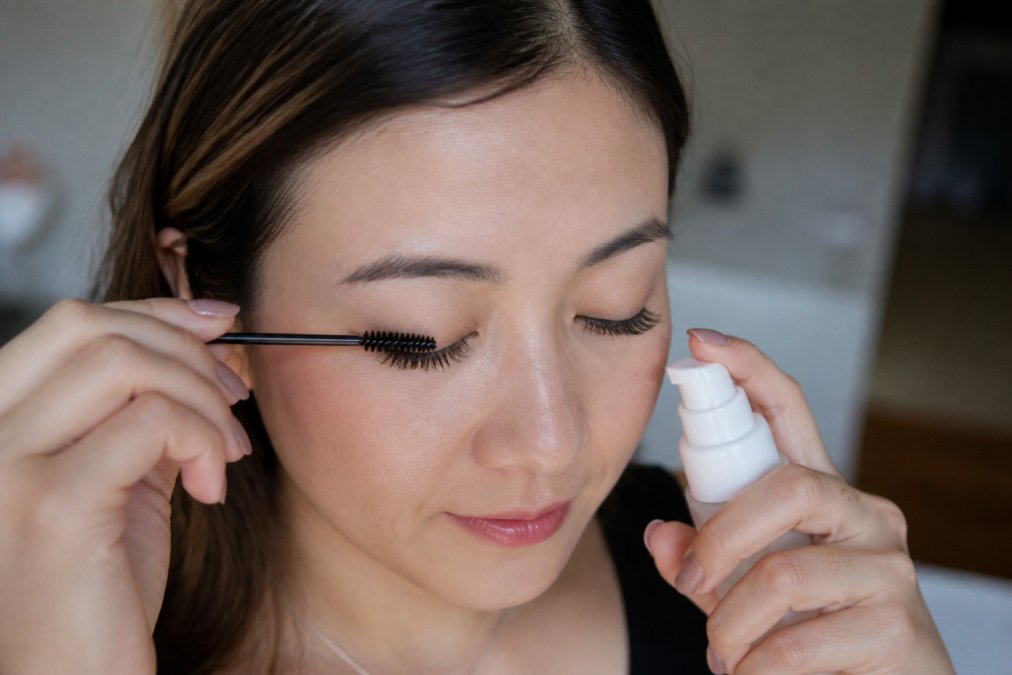
Removing mascara without damage takes patience, the right cleanser, and zero rubbing. The goal is to dissolve the product, not scrub it off. Set aside five minutes and work slowly. Rushing this process is the single most common reason people lose extensions after wearing mascara.
Why the Method Matters More Than the Product
Cyanoacrylate adhesive cures into a rigid bond. That bond tolerates water and gentle cleanser, but it does not tolerate lateral friction, side-to-side rubbing, tugging, or pulling. Every wipe across the lash line applies shear force directly to the bond point. Press-and-soak removes product by dissolving it; wiping removes product by ripping it off, and it takes adhesive with it.
Step-by-Step Removal Protocol
- Wash your hands with soap and water. Oils from your fingers transfer to the lash line and weaken adhesive before you even start.
- Wet a lint-free pad with an oil-free cleanser or warm water. Cotton rounds and cotton balls shed fibers that catch on extensions, use lint-free pads only.
- Press, don’t wipe, the pad against one closed eye for 20 to 30 seconds. Hold it still. This is the step people skip, and it’s the step that does the work.
- Let the product soften before you touch the lashes. If you feel resistance, add more cleanser and press again. Softened mascara slides; dry mascara pulls.
- Sweep downward with a clean spoolie brush, starting at the mid-length and moving toward the tip. Do not push the spoolie into the base of the lashes.
- Repeat the press-and-soften step if any product remains. Two or three gentle passes are safer than one aggressive pass.
- Rinse with cool water, keeping eyes closed, and pat dry with a soft, lint-free towel. Hot water softens the adhesive itself, so cool or lukewarm water is the safer choice.
- Brush lashes into place with a dry spoolie and let them air dry completely before applying any product or going to sleep.
What to Do When Mascara Won’t Come Off
Stubborn product usually means one of three things: the mascara was waterproof (oil-based), it’s been on longer than 24 hours, or the cleanser isn’t strong enough for the formula.
- If it’s waterproof: stop. Do not scrub harder. Book a professional removal or wait for your next fill and let your lash artist handle it. Trying to remove waterproof mascara at home is how natural lashes get pulled out at the root.
- If it’s been on more than a day: apply an oil-free cleanser, press for a full 60 seconds, and try again. Time and moisture do more than pressure.
- If the cleanser isn’t working: check that it’s actually oil-free. Many “gentle” cleansers contain glycerin or emollients that leave a film and make mascara harder to lift, not easier.
What Never to Do
- Never pick at clumps with your fingers, tweezers, or fingernails. This is the fastest way to remove a natural lash along with the extension.
- Never use a lash curler to break up clumps. It crimps synthetic fibers permanently.
- Never use makeup remover wipes designed for the face. Most contain oils or emulsifiers that attack the adhesive.
- Never sleep in mascara hoping it will flake off overnight. It won’t, and the friction against a pillowcase will do the damage for you.
If your eyes are red, itchy, or crusty after removal, stop wearing mascara entirely and see an eye doctor. Persistent irritation can point to blepharitis, which needs proper treatment, not a stronger cleanser.
Keep a dedicated spoolie brush just for mascara removal. A clean, dry spoolie separates lashes after cleansing and prevents the clumping that makes people want to scrub.
Lash Extension Aftercare Tips for Mascara Wearers
A solid aftercare routine keeps extensions looking full between fills, whether or not you wear mascara. The basics are simple, and they take less than two minutes a day.
Daily habits that protect your lashes:
- Clean lashes every night with an oil-free cleanser
- Brush with a spoolie each morning
- Keep hands away from your eyes
- Skip the lash curler entirely, since it crimps synthetic lashes
- Sleep on your back or on a silk pillowcase to reduce friction
How to Clean Lash Extensions Properly
Cleaning lash extensions properly means using an oil-free cleanser, a soft brush, and gentle downward strokes. Do this once a day, ideally at night, to remove makeup, oils, and residue buildup before it weakens the adhesive.
A simple nightly routine:
- Squeeze a small amount of oil-free lash cleanser into your palm
- Close one eye and brush the cleanser through the lashes with a soft lash brush
- Rinse with cool water, keeping your eyes closed
- Blot dry and brush the lashes back into place
Conclusion
Wearing mascara with extensions is possible, but it demands the right formula and a gentle hand. Oil-free and tubing options protect the adhesive bond, while waterproof and fiber formulas cause premature shedding that no fill can fully repair.
Frequently Asked Questions
What mascaras are safe for lash extensions?
Look for water-based, oil-free formulas labeled extension-safe, such as tubing mascara or fiber-free options. These avoid the oils and solvents that break down adhesive bonds. Always check the ingredient list for oils, waxes, and waterproof polymers. Brands that market specifically to extension wearers are your safest bet. If you are unsure, ask your lash artist for a recommendation, or skip mascara entirely and rely on the volume of your extensions.
Why is waterproof mascara bad for lash extensions?
Waterproof mascara contains strong oils and solvents that weaken the cyanoacrylate adhesive bond holding extensions to your natural lashes. This causes premature shedding, clumping, and residue buildup that is hard to remove without pulling. Even careful removal with oil-based makeup remover accelerates bond breakdown. Over time, repeated use shortens lash retention and may damage natural lashes if you tug during removal.
How do you remove mascara from lash extensions without damaging them?
Use an oil-free cleanser and warm water. Close one eye and gently sweep a soft brush or clean spoolie through the lashes from base to tip. Rinse with lukewarm water, pat dry with a lint-free cloth, and brush back into place. Never rub, pull, or use cotton balls, which snag lashes. If residue remains, repeat once. For stubborn mascara, see your lash artist rather than picking.
Can you use eyeliner with lash extensions?
Yes, but choose a water-based, oil-free eyeliner and apply it only to the upper lash line, not the waterline. Oil-based or waterproof eyeliners can migrate into the adhesive and weaken bonds. Remove it gently with an oil-free makeup remover and a soft swab, avoiding tugging. If you wear eyeliner daily, mention it to your lash artist so they can adjust your aftercare routine or recommend compatible products.