
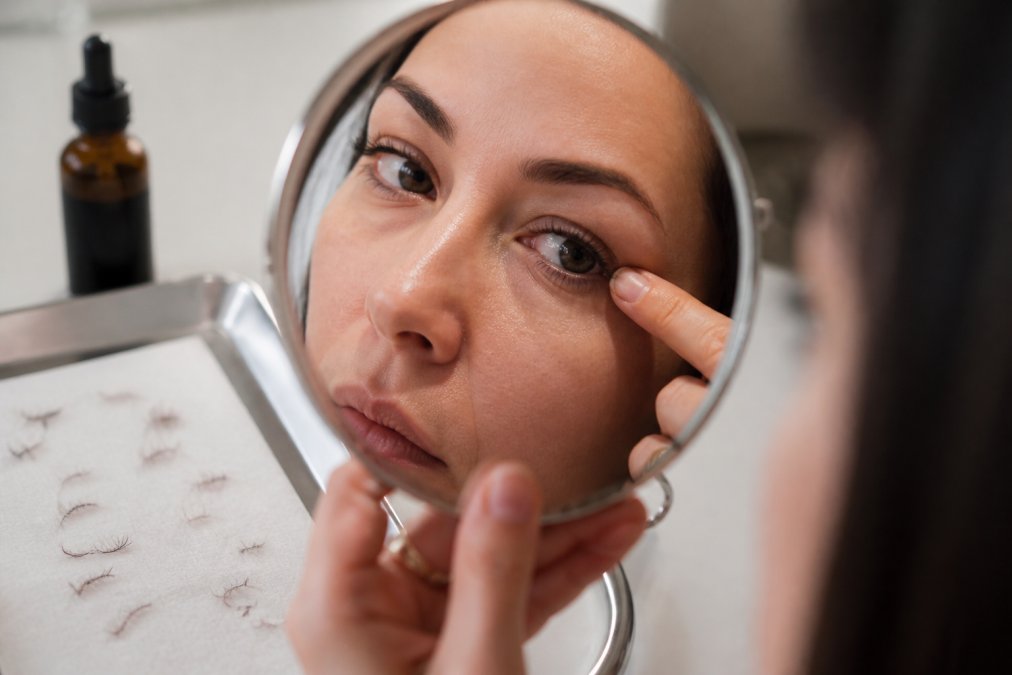
Do Lash Extensions Damage Natural Lashes?
Table of Contents
- The Truth About Lash Extensions Damage and Your Natural Lashes
- Common Myths vs. Facts About Lash Extension Safety
- Signs of Lash Extension Damage You Should Never Ignore
- How to Keep Natural Lashes Healthy With Extensions
- Why Choosing a Certified Technician Matters More Than Anything
- How to Remove Lash Extensions Safely and Recover Afterward
- What to Do If You Experience Lash Loss After Extensions
- Conclusion
Last Updated: August 14, 2026
The Truth About Lash Extensions Damage and Your Natural Lashes
Do lash extensions damage natural lashes? The honest answer is: not when they’re applied correctly. Lash extensions applied by a skilled, certified technician using appropriate materials should coexist peacefully with your natural lashes through their entire growth cycle. At Lashes by Shigeru, we’ve worked with clients who experienced damage elsewhere, almost every case traced back to technique, not to extensions as a concept.
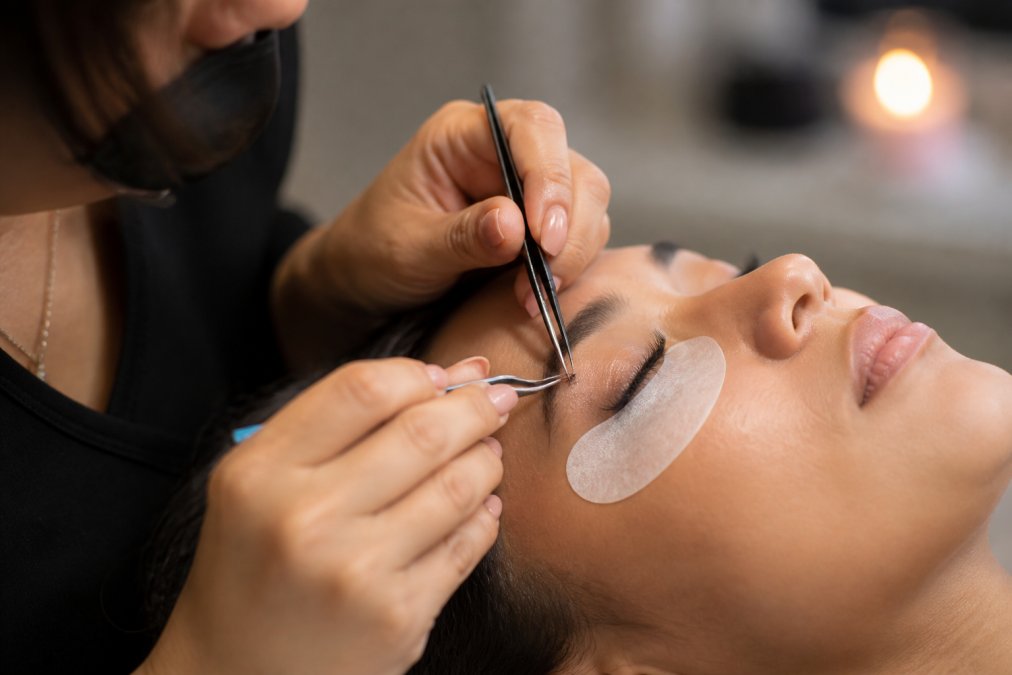
The problem is treating "lash extensions" as monolithic. A poorly isolated, overweight extension applied with cyanoacrylate-heavy adhesive by an undertrained technician is fundamentally different from a lightweight, properly isolated extension applied with hypoallergenic formula by a master stylist. Conflating the two is like blaming all haircuts for split ends.
The Natural Lash Growth Cycle Explained
Each eyelash follicle moves through three phases: anagen (active growth), catagen (transitional), and telogen (resting before shedding). The full cycle spans several weeks, with lashes at different stages simultaneously. This constant, natural shedding is normal.
When an extension bonds to a lash in its telogen phase, that lash will shed within weeks regardless, the extension comes with it. Many clients interpret this as damage when it is, in fact, biology. Understanding this cycle prevents panic and sets realistic expectations for retention.
When Application, Not Extensions, Is the Real Problem
Most lash extension damage stems from three application failures: incorrect isolation, excessive weight, or improper adhesive use.
Incorrect isolation means bonding an extension to multiple natural lashes at once. As those lashes grow at different rates, they pull against each other, causing mechanical damage and breakage at the follicle level.
Excessive weight causes traction alopecia, gradual follicle stress that can compromise lash health. Each natural lash supports only a certain diameter and length without strain.
Improper adhesive use covers using too much glue or applying extensions before adhesive fully cures, creating rigid bonds that resist natural movement and increase breakage risk.
The fix is simple: find a better technician.
Common Myths vs. Facts About Lash Extension Safety
Myth: Lash extensions always cause permanent lash loss.
Fact: Permanent follicle damage is rare and almost exclusively linked to severe traction alopecia from repeated, prolonged misapplication. A single set of well-applied extensions does not compromise follicle health.
Myth: The adhesive fumes are always toxic.
Fact: Standard lash adhesives contain cyanoacrylate, which releases fumes during curing. According to American Contact Dermatitis Society guidance on adhesive allergens, sensitivity varies significantly between individuals. Hypoallergenic formulas with reduced cyanoacrylate concentrations exist for sensitive clients, and patch testing before full application is standard professional practice.
Myth: Volume lash fans are more damaging than classic extensions.
Fact: Volume fans, when properly constructed and applied, distribute weight across multiple natural lashes. A well-made volume fan can place less stress on any single follicle than a single heavy classic extension.
Myth: You need to take "lash breaks" between every set.
Fact: Healthy natural lashes with no signs of damage or sensitivity do not require mandatory breaks. The need for a break depends on lash health assessment at each appointment, not a fixed schedule.
Never let a technician apply extensions without first assessing your lash health. Skipping this step is a red flag. Applying extensions over already compromised lashes accelerates damage significantly.
Signs of Lash Extension Damage You Should Never Ignore
Lash extension damage is identifiable early if you know what to look for. Catching it before it compounds prevents months-long regrowth periods.
The signs that warrant immediate attention:
- Lash breakage mid-shaft: Lashes snapping rather than shedding at the root indicate mechanical stress from isolation failure or excessive weight.
- Clumping at the lash line: Multiple lashes bonded together cause tangling and pulling during natural shedding.
- Persistent redness or swelling along the lash line: This signals allergic reaction to adhesive or improper placement.
- Noticeably shorter natural lashes post-removal: Shorter lashes after removal than before your first set indicates breakage.
- Sparse patches: Uneven lash density after removal suggests localized follicle stress.
The most reliable early warning sign is how your lashes feel during the fill appointment. Healthy lashes with proper extensions feel light and natural. If extensions feel heavy or your eyes feel strained, raise it with your technician immediately.
Allergic Reaction vs. Mechanical Damage: How to Tell the Difference
Allergic reaction typically appears within 24-72 hours of application. Symptoms include redness, itching, eyelid swelling, and watery eyes. The reaction is usually bilateral and affects the skin around the eye. Adhesive sensitivity is the most common trigger. If you’ve had reactions before, a patch test is non-negotiable.
Mechanical damage presents differently. There’s no acute inflammation. Instead, you notice lash breakage, shortened lashes, or thinning over time after multiple sets. It’s structural stress, not immunological.
The distinction matters because solutions differ. Allergic reactions require removal, antihistamines, and a switch to hypoallergenic adhesive. Mechanical damage requires removal, recovery, and a fundamental change in application technique.
Visual Diagnostic Guide: What Healthy vs. Compromised Lashes Look Like
Healthy natural lashes have consistent taper from base to tip, slight natural curl, and uniform spacing. When extensions are removed professionally, healthy lashes spring back immediately.
Compromised lashes show blunt tips from breakage, uneven lengths, flat lashes without natural curl, and visible gaps in density. Brittle lashes may appear dry or lack the slight sheen of healthy lashes.
A good technician performs a lash health assessment at every appointment.
How to Keep Natural Lashes Healthy With Extensions
Keeping natural lashes healthy with extensions is as much about what you avoid as what you do. The aftercare period immediately following application is most critical.
Daily Aftercare Routine That Actually Works
The first 24-48 hours after application are a curing period. Avoid water, steam, and oil-based products near the lash line. After that window closes, a consistent daily routine protects both extensions and natural lashes.
Morning:
- Gently brush extensions with a clean spoolie from mid-shaft to tip (never from the root).
- Separate any lashes that have crossed or clumped overnight.
Evening:
- Cleanse the lash line with an oil-free cleanser formulated for lash extensions. Oil breaks down adhesive bonds.
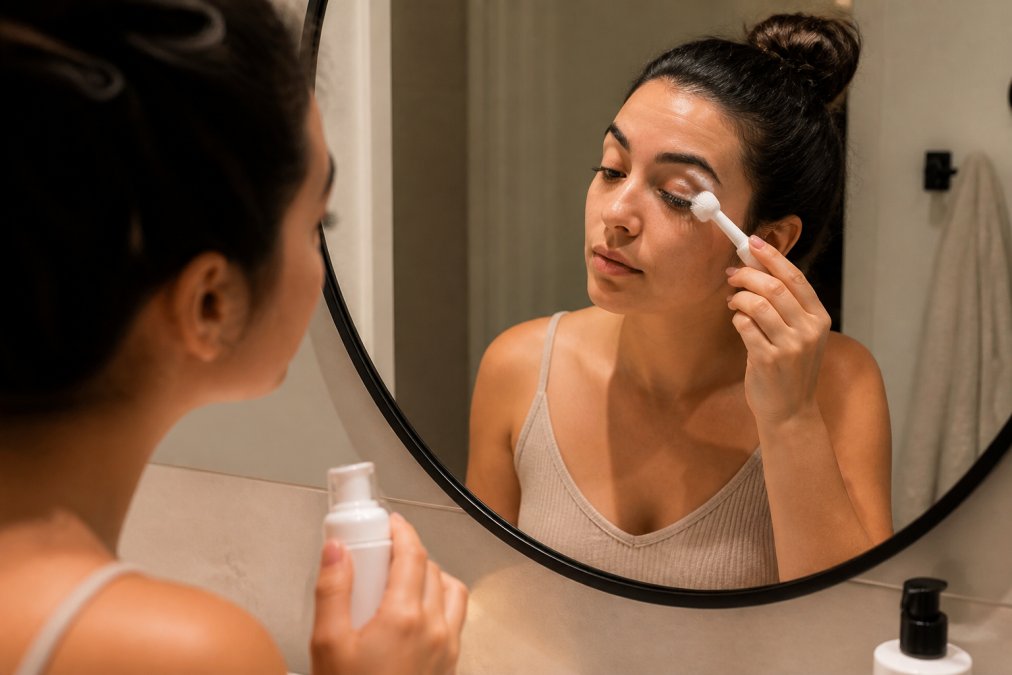
- Use a soft cleansing brush in gentle downward strokes along the lash line.
- Rinse thoroughly and pat dry with a lint-free cloth.
- Apply a lash growth serum to the natural lash line if recommended by your technician.
What to avoid entirely:
- Oil-based makeup removers, moisturizers, or serums near the eye area
- Rubbing or pulling at extensions
- Sleeping face-down without a silk pillowcase
- Waterproof mascara on extensions (and any mascara on volume fans)
A silk or satin pillowcase reduces friction against extensions during sleep, extending retention and reducing mechanical stress on natural lashes. Most clients see noticeable improvement in set longevity.
Lash Adhesives and Ingredients to Avoid
Not all lash adhesives are equal. The formula used at your salon directly affects lash health and comfort.
Formaldehyde-releasing compounds are common irritants in lower-quality adhesives. They’re used as preservatives but cause sensitivity reactions in many clients. Professional-grade adhesives avoid or minimize these entirely.
High-cyanoacrylate concentration adhesives cure quickly but are more brittle when set and release more fumes. For sensitive eyes, a lower-concentration or hypoallergenic formula is appropriate.
Look for adhesives containing carbon black (for color, generally well-tolerated) and medical-grade cyanoacrylate at controlled concentrations. The FDA cosmetic ingredient safety database provides guidance on cosmetic adhesive safety that reputable manufacturers reference.
Why Choosing a Certified Technician Matters More Than Anything
The single greatest predictor of whether lash extensions damage natural lashes is the skill level of the person applying them. Technique determines outcomes.
A certified technician understands isolation, selects extension diameter and length appropriate to your natural lash diameter and follicle health, controls adhesive volume precisely, and knows when not to apply extensions at all. A good technician will turn away clients whose lashes are too compromised to safely support extensions.
Certification through recognized bodies such as the National Cosmetology Association’s professional standards or state licensing boards establishes minimum competency. But certification is a floor, not a ceiling. Continuing education in advanced techniques, adhesive chemistry, and lash health assessment separates competent technicians from exceptional ones.
The technicians at Lashes by Shigeru hold extensive training developed through years of practice in Tokyo and New York, with the proprietary Japanese AirLash® technique refined specifically to minimize weight on natural lashes while maximizing visual impact.
| Factor | What to Look For | Red Flag |
|---|---|---|
| Isolation technique | One extension per natural lash | Clumping or stiff lash lines |
| Extension weight | Diameter matched to natural lash | Heavy, drooping extensions |
| Adhesive type | Hypoallergenic option available | No patch test offered |
| Lash health check | Assessment at every appointment | Skipped or rushed intake |
| Removal policy | Professional removal offered | No removal guidance given |
How to Remove Lash Extensions Safely and Recover Afterward
Never pull, pick, or attempt to slide extensions off at home. The adhesive bond is designed to hold through water, friction, and daily movement. Forcing an extension off takes the natural lash with it or breaks it at the shaft.
Professional removal uses a gel or cream remover formulated to dissolve cyanoacrylate adhesive without affecting natural lashes. The process takes 15-20 minutes and should feel completely comfortable.
At-home removal, if necessary, involves saturating extensions with an oil-based product over several nights to gradually weaken the bond. This is slow and should be used only when professional removal is inaccessible.
Post-Removal Recovery Protocol
Week 1-2:
- Avoid all eye makeup, particularly mascara, to give lashes rest from additional weight or chemical exposure.
- Apply a lash growth serum nightly to the lash line. According to American Academy of Dermatology guidance on eyelash health, ingredients like biotin and peptide complexes support follicle health.
- Maintain oil-free cleansing to support follicle health.
Week 3-4:
- Assess lash density and length. If natural lashes are recovering normally, schedule a lash health consultation before your next set.
- Continue serum application.
Ongoing:
- If thinning or slow regrowth persists beyond 6-8 weeks, consult a dermatologist to rule out underlying conditions.
A lash growth serum applied consistently during recovery can meaningfully accelerate the anagen phase. Lashes by Shigeru carries in-house formulations developed specifically to support natural lash recovery between extension sets.
What to Do If You Experience Lash Loss After Extensions
Lash loss after extensions falls into two categories: expected shedding and genuine damage.
Expected shedding is the natural lash growth cycle completing its telogen phase. You’ll notice a few lashes with extensions shedding over weeks following application. This is normal.
Genuine damage presents as noticeably sparser lashes than before your first set, visible patches, or significantly shorter lashes. This requires action.
Steps to take:
- Stop wearing extensions immediately. Continuing over compromised lashes compounds the problem.
- Switch to a gentle, oil-free cleanser and maintain strict eyelid hygiene.
- Start a lash serum protocol as described in the recovery section above.
- Consult a board-certified dermatologist if significant loss persists beyond 8 weeks. Traction alopecia, if caught early, is generally reversible.
- When you return to extensions, choose a different technician. A thorough lash health assessment before your next set is essential.
Most lash extension-related damage is fully reversible with time and proper care. Follicle health assessment, appropriate recovery, and a skilled technician are the three pillars of complete recovery.
Lash extensions are one of the most effective beauty treatments available when executed correctly. The damage narrative persists because bad applications are common, not because extensions themselves are inherently harmful. The answer to "do lash extensions damage natural lashes?" is ultimately a question about who’s doing the work and how.
Book an appointment with Lashes by Shigeru and experience the difference that proper technique, hypoallergenic adhesives, and a genuine lash health assessment make from the first appointment forward.
Frequently Asked Questions
Do natural lashes grow back after lash extensions?
Yes, natural lashes grow back after lash extensions in the vast majority of cases. Each lash follicle cycles through anagen (growth), catagen (transition), and telogen (resting/shedding) phases independently. If extensions were applied correctly and removed professionally, follicle health remains intact and regrowth proceeds normally. Prolonged traction alopecia from repeated improper application is the rare scenario where recovery takes longer. Using a lash growth serum during the recovery period can support the anagen phase and speed up visible results.
How can you tell if your lash extensions were applied incorrectly?
The clearest signs of improper application include lashes that feel heavy or pull downward, multiple natural lashes glued together instead of isolated individually, extensions placed too close to the eyelid skin, and unusual lash breakage or brittle lashes within the first week. Redness, persistent irritation, or adhesive sensitivity that doesn't resolve in 24 to 48 hours also points to a problem. A qualified certified technician uses proper isolation technique and matches lash diameter to your natural lash weight to prevent these issues.
Are there specific lash extension materials that cause less damage?
Lighter synthetic fibers, such as those used in volume fans and ultra-fine classic lashes, place less mechanical stress on natural lashes than heavier or thicker extensions. Hypoallergenic glue formulated without cyanoacrylate irritants reduces adhesive sensitivity for clients with reactive eyes. Extensions matched precisely to your natural lash diameter and curl minimize the weight of extensions on each follicle. A lash health assessment before your appointment helps a certified technician select the right combination of materials for your specific lash condition.
What do eye doctors think of eyelash extensions?
Most ophthalmologists and optometrists consider professionally applied eyelash extensions safe when eyelid hygiene is maintained and a patch test is performed beforehand. Their primary concerns are allergic reactions to adhesive ingredients, bacterial buildup from inadequate cleansing, and mechanical damage from extensions that are too heavy for the natural lash. They consistently recommend choosing a certified technician, using an oil-free cleanser daily, and scheduling professional removal rather than pulling extensions off at home.
This article was written using GrandRanker