
5 Signs You Need a Lash Fill: Lash Fill Timing Guide
Table of Contents
- 1. Visible Gaps Along the Lash Line
- 4. How Often Should You Get Lash Fills? The 40 Percent Rule
- 5. Irritation, Discomfort, or Twisting as Warning Signs
- Lash Extension Aftercare Tips That Extend Fill Intervals
- The Cost of Waiting: Why Delaying a Lash Fill Costs More
- Conclusion: Book Your Lash Fill Before the Gaps Show
- Frequently Asked Questions
Last Updated: October 3, 2026
1. Visible Gaps Along the Lash Line
The clearest sign you need a lash fill is visible gaps along the lash line where extensions have shed and not been replaced.
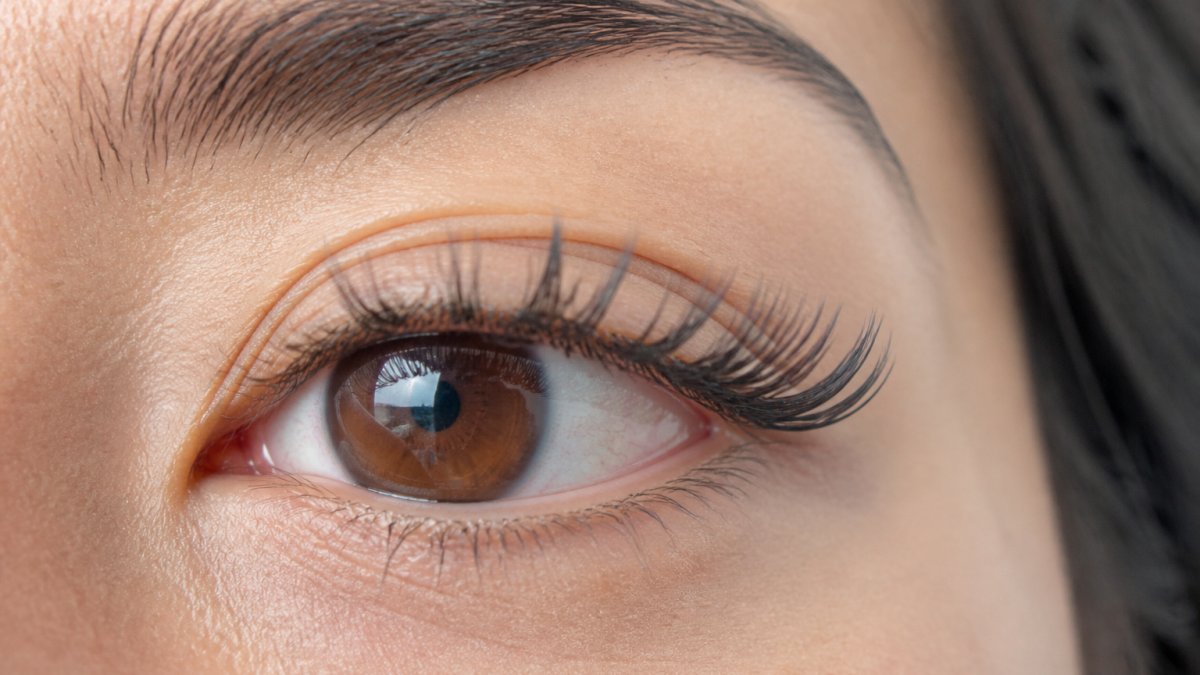
Gaps appear because each natural lash follows its own growth cycle, not because your stylist did anything wrong.
(/how-to-clean-lash-extensions-without-damaging-them/) fall out because natural lashes shed on a constant cycle, and each extension is bonded to a single natural lash. When that natural lash reaches the end of its life, the extension goes with it. Understanding this cycle explains why fills are a schedule, not a repair, and why no adhesive, no matter how strong, can hold an extension past the life of the lash it sits on.
The Natural Shedding Cycle: Anagen, Catagen, and Telogen Phases
Every natural lash moves through three stages, and the timing of each one sets the ceiling on how long any extension can stay put.
- Anagen phase, active growth. The lash lengthens steadily, and this is the longest stage, lasting several weeks. An extension applied during anagen will be carried outward as the lash grows, which is why extensions look longer and more grown-out over time even before they shed.
- Catagen phase, a short transition period, typically a matter of days, when growth stops and the follicle begins to release the lash.
- Telogen phase, the resting stage. The lash sits dormant for a few weeks, then sheds and a new lash begins growing in the same follicle.
Because every lash on your eye is at a different point in this cycle, you lose a few lashes every single day. That is normal shedding, and it is exactly why a full set gradually thins out.
Why the Outer Corners Thin First
If you have ever noticed that the outer corner of one eye looks sparser than the rest of the set, you are not imagining it. Lashes at the outer corners tend to be finer, shorter, and more exposed to friction from sleeping, pillow contact, and eye rubbing. They also sit in a zone where the natural lash count is lower to begin with.
Premature Fallout vs. Normal Shedding
Premature fallout is different from the natural cycle, and telling the two apart is the single most useful skill for deciding whether you need a fill or a fix.
Normal shedding is gradual and even.
Premature fallout happens when extensions come off well before the natural lash was due to shed.
If you are losing extensions that fast, the fix is usually aftercare and application quality, not more frequent fills.
Track your loss for three days before you book. If the missing lashes are spread evenly across both eyes, you are on a normal shed curve. If they are clustered on one side or one corner, look at your sleep position and your cleansing routine first.
What This Means for Your Fill Schedule
Because the cycle is continuous, a fill is not a reset, it is a top-up. Your stylist replaces the extensions that have already shed or grown out and leaves the healthy, well-bonded ones in place. That is why the interval matters: book too early and you pay for a fill you did not need, book too late and the remaining set is too sparse to blend cleanly.
4. How Often Should You Get Lash Fills? The 40 Percent Rule
Most clients should book a lash fill every two to three weeks. The industry guideline is the 40 percent rule: once you’ve lost about 40 percent of your extensions, it’s time for a fill.
| Time Since Last Fill | Typical Loss | What to Do |
|---|---|---|
| 1 week | 10-15% | Wait, keep up aftercare |
| 2 weeks | 20-30% | Ideal fill window |
| 3 weeks | 40-50% | Book now, 40 percent rule hit |
| 4+ weeks | 60%+ | Full set likely needed |
Your own interval depends on your lash growth cycle, your aftercare routine, and the style you wear. American Academy of Dermatology guidance on eyelash health notes that eyelash growth rates vary from person to person, which is why a fixed schedule doesn’t suit everyone.
5. Irritation, Discomfort, or Twisting as Warning Signs
Irritation, redness, or a persistent pulling sensation around the lash line means something is wrong, and a fill is the first step to correcting it. Discomfort is not a normal part of wearing extensions.
Twisting is the visual version of the same problem. When extensions rotate out of alignment, they can rub against the eyelid and cause irritation. If you notice either sign, don’t wait for your next scheduled appointment.
Never pull out a twisted or uncomfortable extension yourself. You can remove the natural lash with it, and repeated pulling can damage the follicle over time.
Lash Extension Aftercare Tips That Extend Fill Intervals
Most articles list aftercare tips as a generic hygiene checklist. What they skip is the part that actually matters for your calendar: which specific habits accelerate the need for a fill, by how much, and what to change first. Good aftercare is the single biggest factor in how long your set lasts, and it directly affects how often you need a lash fill. Here is how the biggest variables actually move your fill window.
Cleansing and Brushing Without Damaging the Adhesive Bond
Cleanse daily with an oil-free cleanser and a soft lash brush. Oil breaks down lash adhesive, so oil-based makeup removers, heavy eye creams, and facial oils around the eyes will shorten retention fast.
Brush gently from the middle of the lash line outward, never at the base. Brushing at the base pushes the extension against the natural lash and can loosen the bond.
Two habits that quietly cost you retention:
- Skipping cleansing. Paradoxically, clients who avoid washing their lashes to ‘protect’ them tend to lose extensions faster. Buildup of sebum, dead skin, and makeup residue collects at the base of the lash, weakens the bond, and can lead to irritation. Daily gentle cleansing protects the bond rather than threatening it.
- Waterproof mascara and lash curlers. Waterproof mascara requires an oil-based remover to take off, which defeats the purpose, and mechanical curlers crush the extension and the bond at the same time. Both are among the fastest ways to turn a three-week fill into a two-week one.
Environmental Factors That Shorten Lash Retention
Heat, humidity, steam, and chlorine all weaken the adhesive bond, and they do it on different timelines. Understanding which environments cost you the most helps you decide where to adjust.
- Steam and heat (saunas, hot yoga, steam rooms). Repeated exposure to high heat softens cured adhesive over time. If you do hot yoga several times a week, expect your fill window to run closer to two weeks than three.
- Chlorine and saltwater (pools, hot tubs, ocean). Chlorine and salt are both drying and chemically active against adhesive. Rinse your lashes with cool fresh water immediately after and pat them dry, do not rub.
- Humidity. High ambient humidity during the first 24 to 48 hours after a fill is the real risk, because it can interfere with the adhesive curing properly. If you live in a humid climate or are booking around a rainy stretch, keep the first day or two dry and avoid steam.
- Sleep position. Sleeping face-down or on one side is one of the most underrated causes of premature fallout. The friction pulls extensions out of alignment overnight and stresses the bond on the side you sleep on. Clients who sleep on their back or use a silk or satin pillowcase often notice a meaningful difference in how evenly their set wears.
- Makeup habits. Cream eyeshadows, gel liners applied at the lash base, and heavy under-eye concealer all migrate into the lash line and break down adhesive. Powder products and oil-free formulas are the safer choice.
If your set is thinning faster than your usual interval, change one variable at a time, switch to an oil-free remover, add a silk pillowcase, or cut back on steam, and see how the next fill cycle responds. Aftercare is the one part of retention you fully control.
A Simple Aftercare Routine That Protects Your Fill Interval
A routine that consistently supports a longer fill window looks like this: cleanse daily with an oil-free lash cleanser and a soft brush; brush morning and after cleansing; keep oil-based products away from the eye area; rinse after pools, hot tubs, and heavy sweat; sleep on your back or on silk; and skip waterproof mascara and lash curlers entirely. None of these steps is complicated, but together they are the difference between a client who reliably makes it to three weeks and one who is back in the chair at ten days.
The Cost of Waiting: Why Delaying a Lash Fill Costs More
Waiting past the 40 percent mark usually costs more than booking on time.
There’s a health cost too. Overgrown extensions sit heavier on the natural lash, and the extra weight can stress the follicle. Waiting also means more time in the chair, not less, because rebuilding takes longer than maintaining.
For clients who want to stretch their schedule, our virtually weightless Japanese AirLash® extensions and in-house manufactured adhesives are designed for comfortable, long-lasting wear.
Conclusion: Book Your Lash Fill Before the Gaps Show
Noticing gaps, twisting, or irritation is your cue to book, not to wait and see. Staying ahead of the 40 percent rule keeps your set full, your natural lashes healthy, and your appointments short. At Lashes by Shigeru, our master stylist and trained team apply hypoallergenic, virtually weightless extensions using our proprietary Japanese AirLash® technique, with formulas made in-house for sensitive eyes. Book an appointment with Lashes by Shigeru and keep your lashes looking full from one fill to the next.
Frequently Asked Questions
How do I know if I need a lash fill?
The clearest signs are visible gaps along the lash line, extensions pointing in different directions, and sparse areas where natural lashes have shed. If more than 40 percent of your extensions have fallen out, it is time to book a lash fill. Twisting, irritation, or discomfort also signal that your set needs professional attention before damage occurs.
How long do lash fills last?
A lash fill typically lasts two to three weeks before noticeable gaps appear again. This depends on your natural shedding cycle, aftercare routine, and the type of extensions you wear. Following proper aftercare can extend your fill results closer to the three-week mark.
Is it normal to need a lash fill every week?
Needing a lash fill every week is not typical and often points to an underlying issue. Premature fallout can result from poor adhesive bonds, improper application, or inadequate aftercare. If you are losing extensions faster than the natural shedding cycle would explain, your lash artist should assess retention and application technique before you book another fill.
Can I wait longer than three weeks for a lash fill?
Waiting longer than three weeks often means more than 40 percent of your extensions have shed, turning a fill appointment into a full set. Overgrown extensions can twist, pull on natural lashes, and cause premature fallout. Booking within the two-to-three-week window protects lash health and keeps your set looking full without extra cost.
What are the signs that a lash tech might be bad?
Warning signs include extensions that twist or point in different directions, irritation or discomfort after application, and premature fallout within the first week. A skilled lash artist uses proper lash mapping, isolates each natural lash, and selects adhesive suited to your lash type. If your extensions consistently fall out early, seek a professional assessment of your lash health.