
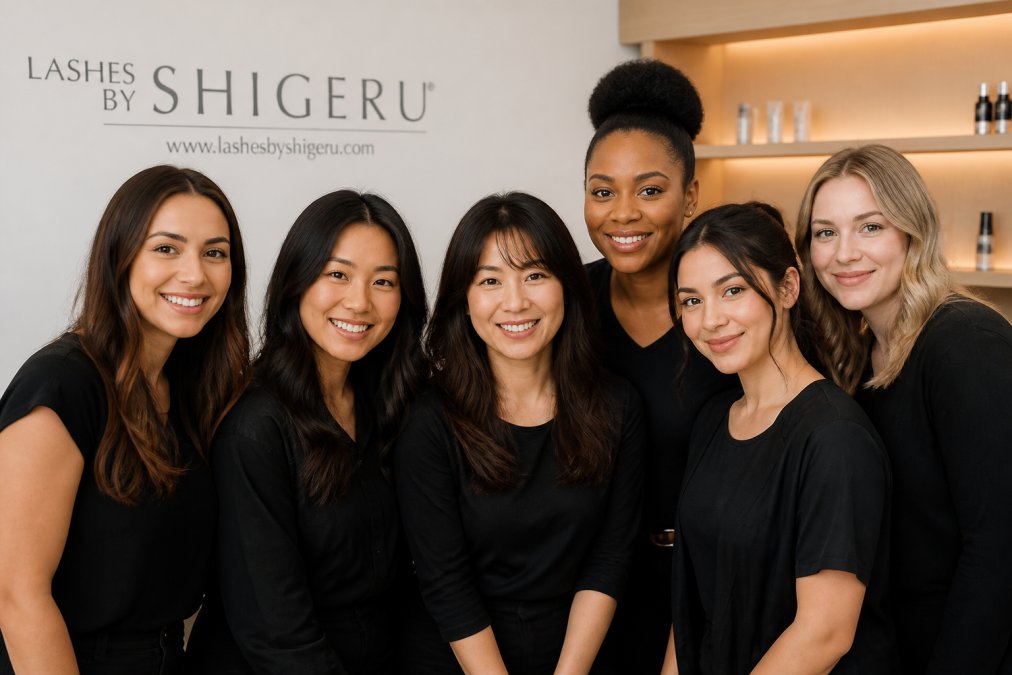
Low-Maintenance Lash Extensions for Professionals
Table of Contents
- What Makes Lash Extensions Low-Maintenance
- Why Do Lash Extensions Fall Out and How to Prevent It
- How Long Do Professional Lash Extensions Last
- Lash Extension Aftercare for Busy Schedules
- Choosing the Right Lash Style for Your Professional Life
- Hypoallergenic Options for Sensitive Eyes
- Common Mistakes That Ruin Lash Retention
- Conclusion
Last Updated: August 27, 2026
What Makes Lash Extensions Low-Maintenance
Low-maintenance lash extensions prioritize longevity and ease of care through application technique, adhesive quality, and lash material selection. At Lashes by Shigeru, our proprietary Japanese AirLash® technique applies virtually weightless extensions that minimize stress on natural lashes, reducing shedding and extending time between fills.
Three core elements separate low-maintenance from high-maintenance styles: strategic lash mapping that doesn’t overload every available lash, secure adhesive formulation that prevents premature fallout, and fiber type and curl pattern that complement your natural lash structure. The real value is confidence, when your lashes stay put for weeks without adjustment, you wake up polished without extra effort.
The most overlooked factor in lash retention is the cleansing base application. A proper base creates a secure anchor for the adhesive bond. Many salons skip this step or apply it inconsistently, causing premature fallout. Proper base application is non-negotiable for longevity.
Why Do Lash Extensions Fall Out and How to Prevent It
Lash extensions fall out because natural lashes shed, it’s biological, not a failure. However, most premature fallout results from improper application, inadequate aftercare, or adhesive incompatibility rather than natural shedding.
The primary culprit is oil buildup on the lash line. Your skin naturally produces oils, and when these accumulate before extension application, adhesive can’t bond securely. This is why professional lash artists insist on oil-free makeup remover and thorough cleansing. The cleansing base, a specialized primer applied before extensions, creates a clean surface that adhesive grips securely.
Moisture is another major factor. Extensions applied in humid environments or exposed to water too soon after application will fail. The adhesive needs 24-48 hours of dry conditions to cure completely (the FDA). Physical stress also accelerates fallout, rubbing your eyes, sleeping face-down, or using oil-based products weaken adhesive bonds over time.
Sleeping face-down on your pillow is one of the fastest ways to destroy lash retention. The constant friction and pressure break adhesive bonds and bend extensions. Side or back sleeping is essential; consider a silk or satin pillowcase to reduce friction further. This single habit can cut your lash lifespan in half.
The solution is multifaceted: professional-grade application using hypoallergenic adhesive, strict aftercare during the first 48 hours, and consistent maintenance using oil-free products. At Lashes by Shigeru, we use adhesives formulated specifically for sensitive eyes and teach clients the exact aftercare protocol that maximizes retention.
How Long Do Professional Lash Extensions Last
Professional lash extensions typically last 4-6 weeks before requiring a fill appointment (peer-reviewed research). This timeline aligns with your natural lash cycle, each lash lasts about 6 weeks before shedding naturally. Extensions attached to those lashes fall out when the natural lash sheds, making fill appointments necessary to maintain density.
Between appointments, expect gradual thinning. By week 3, you’ll notice gaps where natural lashes have shed. By week 5, the look becomes noticeably sparser unless you’ve had exceptional retention. Most professionals schedule fills every 3-4 weeks to maintain a full appearance.
Several factors influence retention within that 4-6 week window. Lash diameter matters, thinner extensions create less weight stress on natural lashes, improving retention. Curl pattern affects positioning; too aggressive a curl can cause lashes to bend and extensions to slip. Your natural lash strength also plays a role; stronger, thicker natural lashes support extensions longer than fine, delicate ones.
Your daily habits determine whether you hit the 4-week mark or stretch to 6. Proper cleansing, avoiding oil-based products, protecting lashes during sleep, and minimizing eye rubbing all extend retention.
The 4-6 week lash cycle is biological reality, not a salon recommendation. You can’t extend it indefinitely, but you can optimize retention within this window through application quality and aftercare discipline. Most clients find that 4 weeks is the practical sweet spot for maintaining a polished look while minimizing salon visits.
Lash Extension Aftercare for Busy Schedules
Aftercare determines whether your extensions last 3 weeks or 6 weeks. Those first 48 hours are critical, the adhesive is still curing, so avoid water, humidity, steam, and sweating. Schedule your appointment Friday evening or Saturday morning, giving you a weekend to let adhesive fully cure before returning to your normal routine.
After the 48-hour cure window, oil becomes the enemy of adhesive bonds. Switch to oil-free makeup remover, oil-free cleansers, and oil-free moisturizers around the eye area. Many professionals don’t realize their favorite face oil or eye cream actively degrades lash retention.
Daily cleansing is non-negotiable. Use oil-free makeup remover specifically formulated for lash extensions, not regular makeup wipes. Gently brush through your lashes with a clean spoolie to remove debris and prevent tangling.
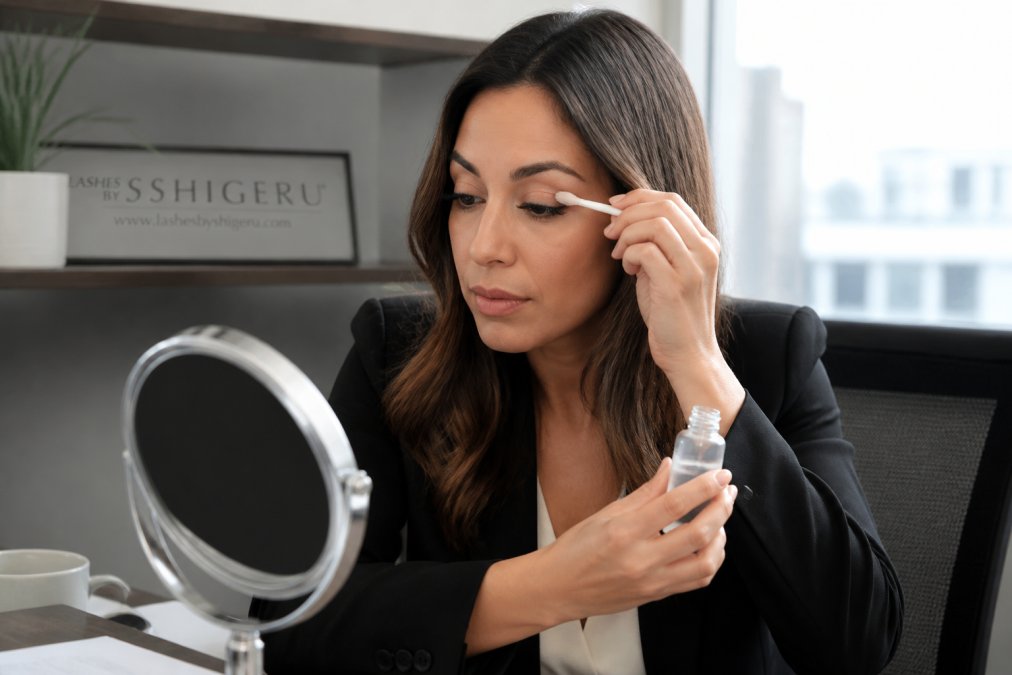
For professionals with limited time, the simplified routine takes 90 seconds: cleanse with oil-free remover, brush through with a spoolie, apply a lash growth serum if desired.
Sleeping position matters significantly. Side or back sleeping is essential; face-down sleeping creates constant friction that breaks adhesive bonds. If you’re a stomach sleeper, invest in a silk or satin pillowcase, which reduces friction compared to cotton.
Travel presents unique challenges. Pack travel-sized oil-free makeup remover, bring your spoolie, and commit to the 90-second daily routine even while traveling.
If you’re traveling to a humid climate or planning water-intensive activities, schedule your fill appointment before you leave. Humidity and water exposure accelerate lash shedding, so arriving with a full set and accepting some loss is smarter than trying to maintain extensions in adverse conditions.
Choosing the Right Lash Style for Your Professional Life
Not all lash styles are created equal for professionals. The goal is to look polished without appearing overdone or requiring constant maintenance.
Classic lash extensions attach one extension to each natural lash, creating a defined but natural look. They’re lighter, require less adhesive, and shed less frequently. For corporate environments and conservative industries, classic lashes are the professional standard. professional grade skincare.
Volume lashes attach multiple thinner extensions to each natural lash, creating a fuller appearance. They’re heavier, require more precise application, and shed faster due to cumulative weight stress. Volume lashes work for creative industries but demand more maintenance and frequent fills.
Hybrid lashes blend classic and volume techniques, offering dimension and fullness without full volume weight. For professionals who want more definition than classic but more wearability than full volume, hybrids are ideal.
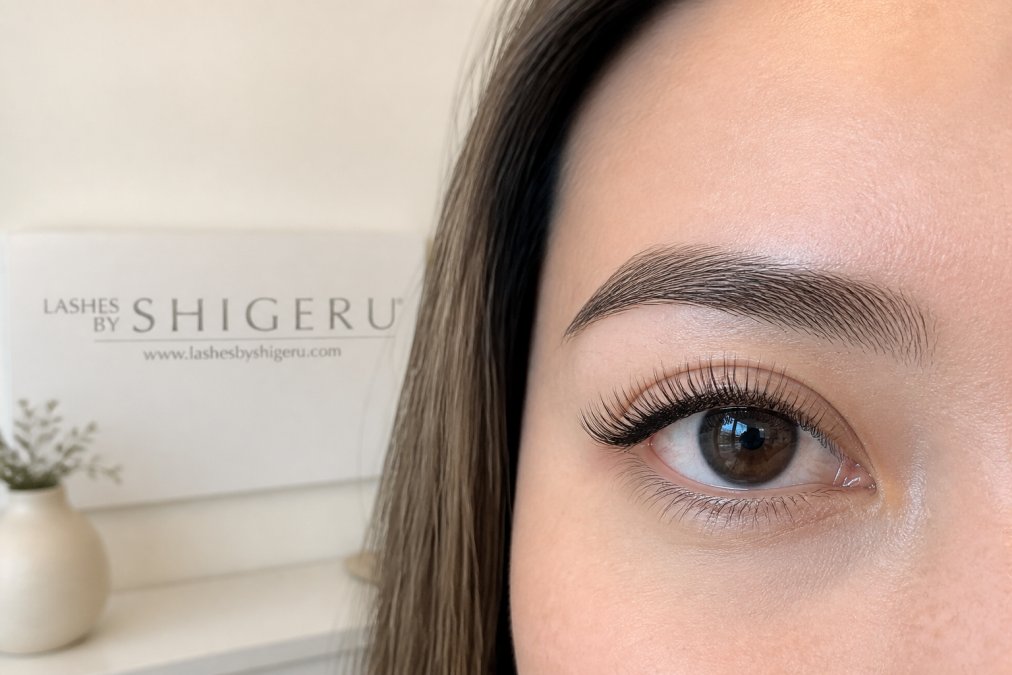
The curl pattern you choose affects both aesthetics and retention. A subtle curl (J or B curl) looks natural and doesn’t stress the lash line as much as aggressive curls. Lash diameter also impacts maintenance, thinner extensions (0.10mm or less) create a wispy look and are gentler on natural lashes. For professionals prioritizing longevity, thinner extensions win.
Color choice matters for professional contexts. Black is standard and works universally. Brown or dark brown lashes create a softer appearance, particularly valuable for professionals with lighter hair or those seeking subtle enhancement.
At Lashes by Shigeru, our master lash artist Shigeru Hanai assesses your eye shape, natural lash strength, professional environment, and personal aesthetic to recommend a style that maximizes both longevity and impact.
Hypoallergenic Options for Sensitive Eyes
Adhesive reactions are one of the most common reasons professionals abandon lash extensions. If your eyes are sensitive or you’ve had reactions before, hypoallergenic options exist.
Most lash adhesive contains cyanoacrylate, which creates the bond between extension and natural lash (peer-reviewed research). Some people develop sensitivities to cyanoacrylate or its fumes. Symptoms include redness, itching, swelling, or watery eyes during or after application.
Hypoallergenic adhesives are formulated to minimize irritants and fumes. They still contain cyanoacrylate but with lower volatile organic compounds and added sensitivity-reducing ingredients. High-quality hypoallergenic adhesives cure slightly slower but create equally strong bonds.
The application environment matters as much as the adhesive. Poor ventilation traps fumes, irritating sensitive eyes. Professional salons use fume extractors or apply adhesive in well-ventilated spaces. If you’ve had reactions elsewhere, inadequate ventilation was likely the culprit.
Pre-application protocols reduce sensitivity. A patch test 24-48 hours before your appointment identifies adhesive incompatibility. Your lash artist should apply a protective barrier around the eye area and use lint-free pads to minimize irritation.
Many sensitive-eye clients find reactions decrease after the first appointment. Subsequent fills use less adhesive, so reactions often diminish significantly.
Never assume all hypoallergenic adhesives are identical. Quality varies dramatically. Cheap hypoallergenic adhesives may not bond properly, leading to poor retention. Invest in a reputable salon using professional-grade hypoallergenic products, the difference in quality and results is substantial.
Common Mistakes That Ruin Lash Retention
Mistake 1: Ignoring the 48-hour cure window. Clients shower, swim, or exercise within 48 hours, exposing adhesive to water before it fully cures. No exceptions, 48 hours means 48 hours.
Mistake 2: Using oil-based products around the eyes. Even "natural" oils and premium eye creams degrade adhesive bonds. This damage is gradual; you don’t notice until extensions start falling out by week 3.
Mistake 3: Rubbing or touching your eyes. Each rub weakens adhesive bonds. Chronic eye-rubbers need fills every 3 weeks instead of 4-6 weeks.
Mistake 4: Sleeping face-down on cotton pillows. This combination destroys retention faster than almost any other habit. Side or back sleeping on a silk pillowcase is the solution.
Mistake 5: Neglecting daily cleansing. Makeup buildup, dust, and oils accumulate on the lash line, weakening adhesive and creating bacterial growth environments.
Mistake 6: Choosing a lash style too heavy for your natural lashes. Full volume on fine, delicate natural lashes causes poor retention. A lighter style your natural lashes can support will last longer.
Mistake 7: Waiting too long between fills. By week 5-6, you’ve lost 30-40% of original lashes. Regular fills every 3-4 weeks maintain full density and extend lifespan.
Mistake 8: Assuming all lash salons use the same quality standards. They don’t. Adhesive quality, application technique, sanitation, and lash material vary dramatically. Professional-grade application from a reputable salon is an investment.
Low-maintenance lash extensions for professionals aren’t a luxury, they’re a practical solution for anyone wanting a polished appearance without daily effort. The key is choosing a salon and style prioritizing retention, committing to aftercare protocols, and understanding that your habits between appointments matter more than the application itself.
At Lashes by Shigeru, we’ve perfected the Japanese AirLash® technique to deliver the longevity and comfort busy professionals demand. Our hypoallergenic adhesives, virtually weightless extensions, and meticulous application ensure your lashes stay put for the full 4-6 week cycle. Book an appointment and experience the difference professional-grade lash extensions make.
| Lash Style | Best For | Maintenance Level | Retention Timeline |
|---|---|---|---|
| Classic | Corporate, conservative environments | Low | 4-6 weeks |
| Hybrid | Professionals wanting definition with comfort | Medium | 4-5 weeks |
| Volume | Creative industries, bold statement | High | 3-4 weeks |
| Sensitive-eye formulas | Adhesive-sensitive clients | Low | 4-6 weeks |
Frequently Asked Questions
Why do lash extensions fall out prematurely?
Lash extensions shed naturally as your natural lash cycle progresses, but premature loss usually stems from improper application, inadequate adhesive bonding, or post-application mistakes. Oil-based makeup, excessive moisture during the first 24 hours, and rubbing your eyes accelerate shedding. Using oil-free makeup remover and following strict aftercare instructions helps maintain retention. Professional application with proper lash mapping and hypoallergenic adhesive significantly improves how long extensions stay attached.
How can busy professionals maintain lash extensions with minimal effort?
Choose classic or hybrid lash styles over volume for easier upkeep. Establish a quick morning routine: use an oil-free makeup remover on a lint-free applicator, then a clean spoolie brush to gently comb through. Avoid waterproof makeup near the lash line. Keep extensions dry for the first 24 hours after application, and schedule fill appointments every 2-3 weeks. Lightweight, hypoallergenic lashes reduce irritation and maintenance complexity, making them ideal for professionals with limited time.
How long do professional lash extensions actually last?
High-quality professional lash extensions typically last 4-5 weeks before requiring a fill appointment. Individual lashes shed as your natural lash cycle progresses, humans naturally shed 1-5 lashes per day. Proper aftercare extends this timeline significantly. Factors affecting longevity include adhesive quality, lash diameter, application technique, and how well you follow hygiene protocols. Professional application using hypoallergenic adhesive and synthetic fibers engineered for durability ensures maximum retention within that window.
Are hypoallergenic lash extensions safe for sensitive eyes?
Yes, hypoallergenic lash extensions are specifically formulated to minimize allergic reactions and eyelid sensitivity. They use medical-grade adhesives and synthetic fibers designed to be gentler on delicate skin. If you've had adverse reactions to lash adhesives before, inform your lash artist before application. Patch testing is recommended for clients with known sensitivities. Professional salons manufacturing their own products can ensure consistency and purity, reducing the risk of irritation and making them a safer choice for sensitive eyes.
This article was written using GrandRanker