
Top 5 Hypoallergenic Lash Adhesives for Sensitive Eyes
Table of Contents
- Quick Comparison Table
- What Makes an Adhesive Hypoallergenic
- 1. Xtreme Lashes FlexFusion Adhesive with Rapid Cure Technology
- 2. Lovely US Pure Eyelash Extension Glue for Sensitive Eyes
- 3. BL Lashes Lily Glue
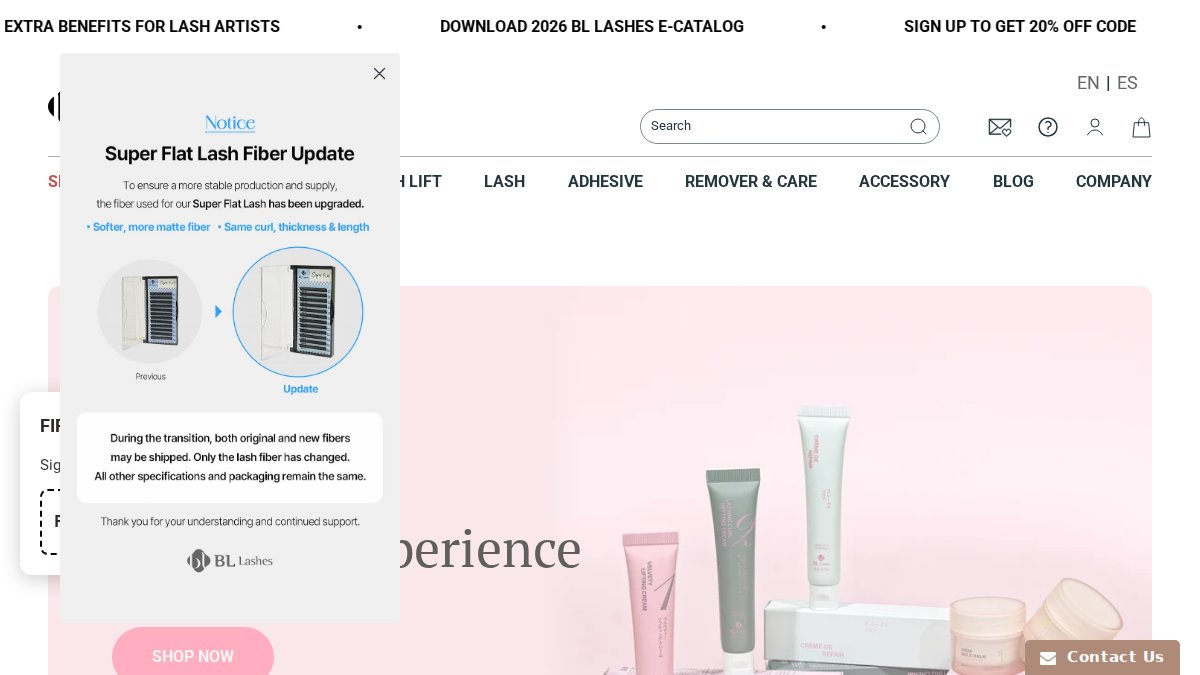
- 4. GladGirl 5 Star Pro Sensitive Eyelash Extension Adhesive
- 5. Forabeli Pure Sensitive Eyelash Extension Glue
- Lash Extension Allergy Symptoms and When to Stop
Last Updated: August 24, 2026
Quick Comparison Table
| Adhesive | Drying Time | Retention | Best For | Key Ingredient |
|---|---|---|---|---|
| Xtreme Lashes FlexFusion | Rapid cure | 4-5 weeks | Medical-grade sensitive eyes | Cyanoacrylate (low viscosity) |
| Lovely US Pure | 4-5 seconds | 4 weeks | Beginners & sensitive clients | Hypoallergenic formula |
| BL Lashes Lily Glue | ~2 seconds | 4-5 weeks | Fast-drying preference | 100% Alkoxyethyl cyanoacrylate |
| GladGirl 5 Star Pro | 5-6 seconds | 3-4 weeks | Non-irritating, fume-free | Medical-grade certified |
| Forabeli Pure Sensitive | 7-8 seconds | 4 weeks | Extreme sensitivity & beginners | Fume-free, odorless |
What Makes an Adhesive Hypoallergenic
A hypoallergenic lash adhesive minimizes irritation and allergic reactions by reducing common allergens and irritants. The key difference lies in the type and concentration of cyanoacrylate used, plus the absence of inflammatory compounds like formaldehyde, latex, and carbon black.
With sensitive eyes, the adhesive’s ability to cure without excessive fume emissions matters tremendously. Standard lash glues emit strong odors during polymerization, triggering tearing, burning, and inflammation in reactive eyes (peer-reviewed research). Hypoallergenic formulas minimize fume emissions through lower cyanoacrylate concentrations, alternative chemical bases like alkoxyethyl cyanoacrylate, or proprietary fume-reduction technology.
The real test isn’t what the label claims, it’s humidity control and application technique. Even the gentlest adhesive will cause irritation if applied in high humidity (above 60%) or without proper isolation. Lashes by Shigeru’s proprietary [Japanese AirLash® technique](/japanese-airlash-technique-benefits-explained/) uses controlled environmental conditions during application to ensure sensitive clients experience zero irritation.
Lower-viscosity adhesives flow smoothly and require less pressure during application, reducing trauma to the lash line. They also produce fewer fumes because the chemical reaction happens gradually. This is why many sensitive-eye formulas dry slightly slower, a trade-off between speed and gentleness.
1. Xtreme Lashes FlexFusion Adhesive with Rapid Cure Technology
Xtreme Lashes FlexFusion is the medical-grade option for lash artists serving sensitive clients. Manufactured in an FDA-registered facility and meeting ISO 13485:2003 Quality Management Standards, it’s one of the few truly clinical-grade products available (the FDA).
The low-viscosity cyanoacrylate formula offers clinically-proven hypoallergenic properties with rapid cure speed and exceptionally low odor output. This combination enables faster application without the fume irritation typical of speed-focused adhesives. Clients with adhesive allergies often tolerate this formula significantly better than standard glues.
Professional lash technicians serving high-sensitivity clientele, particularly those with documented adhesive allergies or previous reactions.
The adhesive creates a strong, flexible hold lasting 4-5 weeks. The flexibility allows extensions to move slightly with natural lashes during the growth cycle, reducing tension and breakage.
One limitation: this adhesive works exclusively with Xtreme Lashes Eyelash Extensions, locking you into their product ecosystem. For salons already committed to Xtreme Lashes systems, it’s ideal. For mixed-brand workflows, evaluate compatibility with existing inventory.

2. Lovely US Pure Eyelash Extension Glue for Sensitive Eyes
Lovely US Pure targets beginners and sensitive clients without compromising safety. The 4-5 second drying time gives newer technicians room to adjust lash placement before the bond sets, making it valuable for training staff or nervous first-time clients.
The zero-evaporation formula is the standout feature. Most adhesives lose volatile compounds during curing, creating eye-watering fume clouds. Lovely US Pure eliminates this through proprietary chemistry, delivering minimal odor and reduced eye irritation. The hypoallergenic formulation further decreases redness and tearing likelihood.
Retention reaches 4 weeks under normal conditions. The thin viscosity and medium flexibility allow extensions to move naturally with the lash cycle. Compatibility spans classic and light volume techniques, offering application flexibility.
Pricing offers options: one-time purchase at $24.00 USD or subscription models for regular users. Subscription saves money for salons running through adhesive consistently.
The trade-off is real, retention can fall short compared to aggressive formulas if clients neglect aftercare. In humid environments or with oil-based products near the lash line, extensions may shed faster than expected.
3. BL Lashes Lily Glue
BL Lashes Lily Glue represents the fast-drying, hypoallergenic middle ground. The 100% Alkoxyethyl cyanoacrylate formula produces lower fume emissions without sacrificing bond strength, drying in approximately 2 seconds for experienced technicians.
The mild scent paired with smooth viscosity makes Lily Glue distinctive. Application feels effortless with no resistance during placement. Clients consistently report less eye watering during and after application.
The adhesive delivers solid 4-5 week hold with lightweight, flexible bonds that reduce stress on natural lashes. It’s latex-free and formaldehyde-free, addressing common allergen sources. For lash artists serving clients with latex sensitivities, this eliminates a major concern.
Lily Glue performs best in moderate humidity around 50%. Below 40%, curing can slow slightly. Above 60%, the adhesive may set too quickly, making repositioning difficult. Environmental control is non-negotiable.
The main limitation is humidity sensitivity. Unlike formulas engineered for broader humidity ranges, this one demands consistency. Salons without humidity control should test it in their specific environment before committing to large orders.
4. GladGirl 5 Star Pro Sensitive Eyelash Extension Adhesive
GladGirl 5 Star Pro is the medical-grade, fume-free option prioritizing client comfort. It passed ISO 10993-5 testing and carries ISO 13485 certification, validating biocompatibility in clinical settings, rare in lash adhesives (iso.org).
The non-irritating, fume-free formula is the core appeal. The 5-6 second setting time gives technicians adequate working time without rushing, especially valuable for anxious clients or first-time appointments. The longer cure window reduces application errors and improves placement precision.
Retention runs 3-4 weeks, shorter than some competitors but acceptable for clients prioritizing comfort over maximum longevity. The gentler chemistry intentionally sacrifices some bond strength for dramatic irritation reduction.
The formula is formaldehyde-free, paraben-free, latex-free, gluten-free, and cruelty-free. For clients with multiple chemical sensitivities or specific lifestyle choices, GladGirl checks every box. It’s the only option here specifically marketed as vegan.
The adhesive works for both classic and volume techniques. Professional use only, clients cannot self-apply, which is appropriate given the precision required.
5. Forabeli Pure Sensitive Eyelash Extension Glue
Forabeli Pure Sensitive is engineered for extreme sensitivity cases and technician beginners. The 7-8 second drying time is the slowest in this comparison, intentionally built for learning and clients whose eyes cannot tolerate faster-curing formulas. hypoallergenic makeup brushes.
The fume-free and odorless formula prioritizes comfort. Many clients experience eye watering from fume irritation alone, not allergic reaction. Forabeli eliminates this entirely, making the experience noticeably more pleasant even for non-sensitive clients.
Up to 4 weeks retention is achievable with proper aftercare. The extended drying time allows placement adjustments right until the bond sets, reducing the need for corrections and lash-line stress.
Forabeli complies with ISO 9001:2015 and ISO 14001:2015 standards, demonstrating manufacturing quality and environmental responsibility. For salons committed to ethical sourcing and sustainability, this adds credibility beyond product performance.
The adhesive is formaldehyde-free, latex-free, cruelty-free, and vegan, matching GladGirl’s comprehensive allergen and ethical profile. The slower drying time is a feature for beginners, not a limitation. Experienced technicians might find it frustrating, but for training and sensitive-client work, it’s ideal.
The main drawback: extended drying time means lower throughput and reduced salon productivity.
How to Perform a Patch Test Before Full Application
A patch test applies adhesive to a discreet skin area, typically the inner arm or behind the ear, to identify allergic reactions before full lash application. This 24-48 hour observation period catches sensitivities that might not appear during full application.
Here’s the process:
-
Cleanse the test area. Use mild soap and water to remove oils or debris. Pat dry completely; moisture interferes with adhesive bonding.
-
Apply a small amount of adhesive. A dot roughly the size of a lentil is sufficient. Use the same application technique as for lash extensions, allowing the adhesive to polymerize under realistic conditions.
-
Set a timer for 24-48 hours. Instruct the client not to wash, apply products to, or scratch the area. Irritation typically appears within this window.
-
Document the baseline. Take photos immediately after application and at 24 hours, creating a record if the client later claims a reaction.
-
Assess the result. Look for redness, swelling, itching, or burning. Mild pink discoloration is normal; the adhesive is slightly acidic. Significant redness, hives, or persistent itching indicates a reaction.
-
If negative, proceed with caution. A clear patch test doesn’t guarantee zero irritation during full application, but it dramatically reduces risk. Schedule the full appointment for close monitoring.
-
If positive, discontinue immediately. Have the client wash thoroughly and apply fragrance-free moisturizer. Offer an alternative adhesive or different service.
Many clients skip the patch test, eager to proceed. Explain that this 24-hour wait prevents far worse outcomes. Allergic reactions during application are uncomfortable and damage your reputation. Lashes by Shigeru prioritizes this step as non-negotiable, building it into every first-time client appointment.
Lash Extension Allergy Symptoms and When to Stop
Allergic reactions to lash adhesive range from mild irritation to severe inflammation. Knowing the difference determines whether you continue, pause, or discontinue lash extensions.
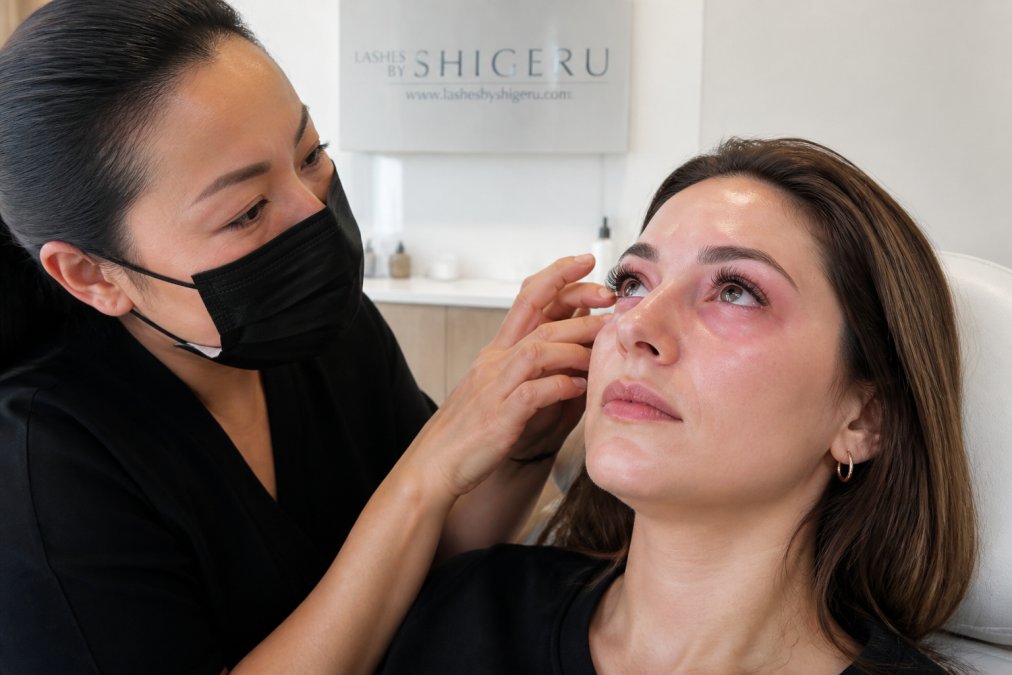
Mild irritation (normal response to adhesive fumes):
- Slight redness or watery eyes immediately after application
- Mild itching subsiding within 2-4 hours
- Temporary puffiness resolving by morning
These symptoms often occur even with hypoallergenic formulas if humidity was high or ventilation poor. Recommend cool compresses and avoiding lash-line contact.
Moderate allergic reaction (warrants switching adhesives):
- Persistent redness lasting more than 8 hours
- Itching unresponsive to cool compresses
- Mild eyelid or surrounding skin swelling
- Slight discharge or crusting along the lash line
The current adhesive isn’t compatible with that client. Remove extensions and switch to a gentler formula. Patch test the new adhesive before reapplication. Many clients who reacted to standard adhesives tolerate hypoallergenic formulas without issue.
Severe allergic reaction (stop immediately):
- Significant eyelid swelling or hives
- Intense itching or burning unresponsive to treatment
- Eye discharge or infection signs
- Difficulty opening or closing the eye
- Systemic symptoms like facial swelling or breathing difficulty
Remove extensions immediately. Have the client wash with cool water and apply fragrance-free moisturizer or prescribed topical steroid. Recommend dermatology or ophthalmology consultation before attempting lash extensions again. In rare cases, true cyanoacrylate allergy exists, making lash extensions non-viable.
Never assume a client will “get used to” irritation or that it improves over time. Allergic reactions typically worsen with repeated exposure. Mild irritation at appointment one and moderate irritation at appointment two indicates severe reaction at appointment three.
When to recommend discontinuing lash extensions entirely:
Some clients genuinely cannot tolerate lash extensions regardless of adhesive choice. If a client experiences allergic reactions with multiple hypoallergenic formulas or severe reactions requiring medical attention, recommend alternatives like lash lifts, mascara, or falsies for special occasions.
Document every reaction in the client’s file. This protects you legally and ensures continuity of care. Be honest about observations and recommendations, building trust and demonstrating professional responsibility.
Reassure clients that adhesive reactions are typically reversible. Once the irritant is removed, the eye returns to normal. However, repeated severe reactions can cause temporary inflammation or contribute to eyelid dermatitis. Prevention through proper product selection and patch testing is far easier than managing complications.
Choosing the right hypoallergenic lash extension adhesive comes down to matching product chemistry to individual client needs. The five adhesives reviewed here represent the current gold standard for sensitivity-focused applications, each with distinct advantages depending on drying time, retention requirements, and allergen concerns. Lashes by Shigeru’s commitment to hypoallergenic application, supported by our proprietary Japanese AirLash® technique and in-house adhesive manufacturing, ensures that clients with even the most reactive eyes can achieve beautiful, long-lasting results without irritation or compromise. Book an appointment to experience the difference that truly hypoallergenic lash extensions make.
Frequently Asked Questions
What is the best hypoallergenic lash adhesive for sensitive eyes?
The best hypoallergenic lash adhesive depends on your specific sensitivity level and drying time preference. Xtreme Lashes FlexFusion offers medical-grade formulation with instant attachment, while Forabeli Pure provides a longer 7-8 second drying window for beginners. Both are formaldehyde-free, latex-free, and produce minimal fumes. Look for adhesives with low cyanoacrylate content, fume-free formulas, and dermatologist or ophthalmologist approval when choosing for sensitive eyes.
What ingredients should I avoid in lash extension adhesive?
Avoid adhesives containing formaldehyde, latex, and high levels of cyanoacrylate, as these are common allergens that trigger irritation and allergic reactions. Standard adhesives with strong fume emissions can cause redness, watering, and burning. When shopping for hypoallergenic options, verify the formula is formaldehyde-free and latex-free. Check for low fume certification and look for adhesives using Alkoxyethyl cyanoacrylate instead of Ethyl cyanoacrylate, which produces fewer irritating vapors.
How long does hypoallergenic lash adhesive take to dry?
Hypoallergenic lash adhesives typically dry between 1-8 seconds, depending on the formula and humidity levels. Xtreme Lashes FlexFusion offers instant attachment, while Forabeli Pure takes 7-8 seconds, making it ideal for beginners. Drying time affects application speed and precision. Faster-drying adhesives suit experienced lash artists, while slower-drying options allow for repositioning and better control. Retention varies from 3-5 weeks depending on the specific product and proper aftercare.
Can you get lash extensions if you're allergic to lash glue?
Yes, you can still get lash extensions if you have a lash glue allergy by using hypoallergenic, low-fume adhesives and performing a patch test first. Hypoallergenic formulas with minimal cyanoacrylate content and fume-free technology significantly reduce allergic reactions. Always inform your lash artist about previous reactions. A professional patch test 24-48 hours before full application helps identify sensitivity. If reactions persist, consult with a dermatologist about alternative application methods or discuss whether lash extensions are suitable for your specific allergies.
What does LED lash adhesive do differently than standard formulas?
LED lash adhesives, like those used in the Japanese AirLash® technique, are engineered for faster polymerization and reduced fume emission under LED light curing. This technology creates a stronger bond while minimizing irritation, making it ideal for sensitive clients. LED-cured adhesives typically offer better flexibility and comfort during wear compared to air-cured formulas. The light activation process allows for precise control over curing speed, reducing the risk of burning sensations and allergic reactions associated with fume exposure.
This article was written using GrandRanker