

What Happens If You Don’t Brush Lash Extensions
Table of Contents
- Why Brushing Lash Extensions Is Non-Negotiable
- What Happens If You Don’t Brush Your Lashes for a Week
- Why Do Lash Extensions Fall Out? Adhesive Breakdown and Natural Shedding
- How to Clean Lash Extensions Without Causing Damage
- How Often to Wash Lash Extensions (and When to Avoid Brushing)
- The Hygiene Risks: Blepharitis, Bacterial Growth, and Eye Irritation
- Tools That Make Lash Care Easier: Spoolie Brushes, Lash Wands, and Cleaning Solutions
- Frequently Asked Questions
Last Updated: September 26, 2026
Why Brushing Lash Extensions Is Non-Negotiable
Lash extensions are fragile. Without learning how to brush lash extensions daily, they tangle, clump, and shed faster.
What Happens If You Don’t Brush Your Lashes for a Week
After about seven days without brushing, extensions cross over, stick together, and look uneven.
- Tangling between neighboring extensions
- Clumping that pulls several lashes into one thick spike
- Trapped debris from skin cells, dust, and oil
- Premature shedding as weight pulls on natural lashes
How Tangles and Clumping Damage Lash Retention
Every tangle pulls on the natural lash beneath it, weakening the bond and shortening retention.
Why Do Lash Extensions Fall Out? Adhesive Breakdown and Natural Shedding
Lash extensions fall out for two reasons: natural shedding and adhesive breakdown. Both are normal, but poor care speeds them up.
The adhesive is where you have control.
The Chemistry Behind Adhesive Breakdown
Lash adhesive is built on cyanoacrylate, the fast-curing compound family used in medical skin glue. It cures by pulling moisture from the air and forming polymer chains that lock the extension to the natural lash, strong, but vulnerable to lipids.
Here is the mechanism in plain terms:
- Sebum and oil attack the polymer chain. Meibomian glands secrete oil with every blink. Sitting against a cured cyanoacrylate bond, that oil swells and softens the polymer, weakening the grip.
- Makeup residue adds a second attack. Mascara, eyeliner, and cream shadows contain waxes, silicones, and oils that migrate into the lash line and sit there, feeding breakdown.
- Debris traps moisture unevenly. Dead skin, dust, and pollen collect between unbrushed lashes, holding moisture against the bond in some spots and drying it out in others, causing unpredictable shedding.
- Mechanical stress finishes the job. Every tangle pulls on the bond; a clump of three or four lashes moving as one unit puts several times the normal load on one attachment point.
Sleeping in eye makeup is one of the fastest ways to destroy lash retention. Mascara and eyeliner residue migrate into the lash line overnight and weaken the adhesive bond, causing early shedding.
How Lash Style Changes the Breakdown Timeline
Not every set fails at the same rate. Density and curl change how much debris gets trapped and how much stress each bond carries.
- Classic sets (1 extension per natural lash): The lightest load per bond, with fewer gaps for debris to hide in. These hold longest with consistent brushing.
- Hybrid sets (classic and volume fans): Transition areas, where a 2D or 3D fan sits next to a single extension, tangle first. Brushing must reach those seams, not just the surface.
- Volume sets (3-6+ lightweight extensions per natural lash): The highest debris-trapping surface area. Fans act like tiny combs catching oil, skin cells, and makeup. Volume clients should deep clean more often and brush deliberately, since one missed fan can clump into a spike that pulls neighbors.
- Mega-volume sets: Even more surface area and need for daily separation. Treat brushing as twice-daily, not once-a-morning.
What This Means for Your Routine
You cannot stop natural shedding, but you can slow adhesive breakdown by keeping oil, makeup, and debris off the bond line: brush every morning, deep clean two to three times a week, and never sleep in eye makeup.
How to Clean Lash Extensions Without Causing Damage
Cleaning lash extensions takes about two minutes and a few gentle steps, removing debris without pulling on the bond.
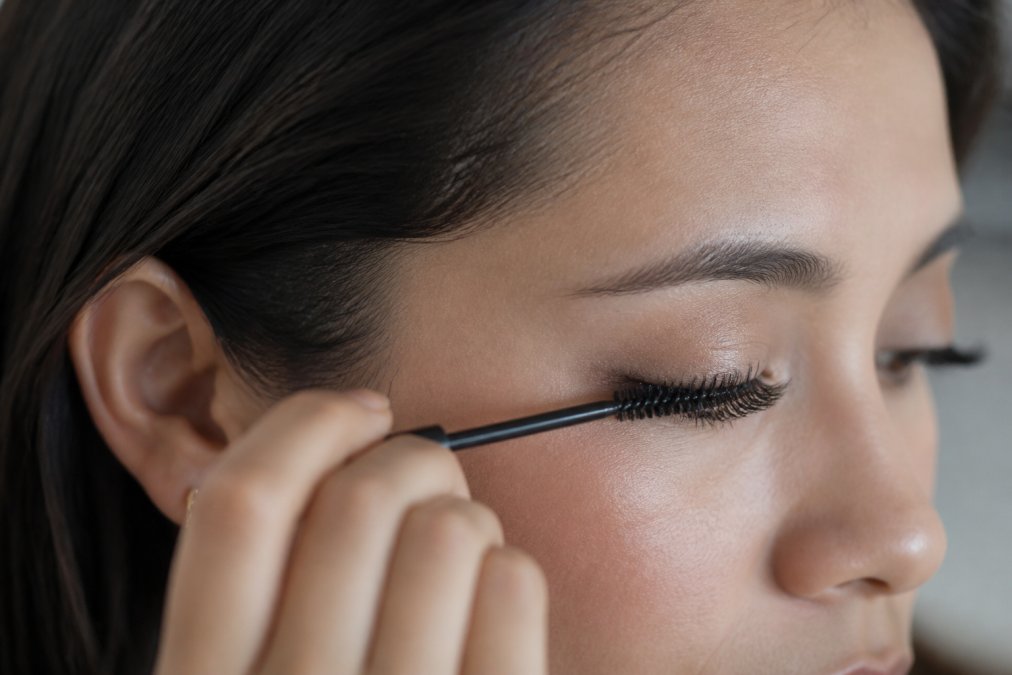
Here is the routine we recommend:
- Wash your hands with a mild, oil-free soap.
- Wet a soft lash brush or clean spoolie with lukewarm water.
- Apply a small amount of lash cleanser to the brush.
- Close one eye and gently sweep the brush along the lash line.
- Rinse with lukewarm water, keeping your eye closed.
- Pat dry with a lint-free cloth, then brush the lashes into place.
- Repeat on the other eye.
Daily Maintenance vs. Deep Cleaning: What’s the Difference?
Daily maintenance is quick. A few passes with a spoolie each morning keeps lashes separated and neat.
| Routine | Frequency | What It Removes | Time Needed |
|---|---|---|---|
| Daily brushing | Every morning | Surface tangles, dust | 30 seconds |
| Deep cleaning (lash bath) | 2-3 times weekly | Oil, makeup residue, debris | 2-3 minutes |
How Often to Wash Lash Extensions (and When to Avoid Brushing)
Washing lash extensions two to three times a week keeps them clean and supports retention; daily brushing handles the rest.
There are times to hold off, though:
- For the first 24 hours after application, keep lashes completely dry so the adhesive can cure.
- If you feel eye irritation or notice redness, stop brushing and contact your lash technician.
- If a lash is stuck to your eyelid, do not force it. Let a professional fix it.
The Hygiene Risks: Blepharitis, Bacterial Growth, and Eye Irritation
Unbrushed lashes collect oil, dead skin, and bacteria along the lash line, raising your risk of irritation and infection on a predictable timeline.
How Buildup Becomes a Problem
The eyelid margin is one of the most hospitable spots on your body for microbial growth, warm, moist, and constantly exposed. Unbrushed extensions create a dense forest of fibers that traps:
- Sebum from meibomian glands along the lid margin
- Dead skin cells shed continuously from the eyelid
- Environmental debris, dust, pollen, pet dander
- Makeup residue that never fully came off
- Demodex mites, which are normal eyelid inhabitants but multiply when oil and debris accumulate
Blepharitis: What It Is and How to Spot It
Blepharitis is an inflammation of the eyelids causing redness, crusting, and irritation along the lash line. (Blepharitis) It is often linked to poor eyelid hygiene, and extensions make debris collection easier.
Symptoms to watch for:
- Itchy, red, or swollen eyelids
- Crusting at the base of the lashes, especially on waking
- A gritty or burning feeling in the eye
- Flaking or scaly skin around the lash line
- Excessive tearing or sensitivity to light
- Lashes that feel stuck together at the base even after brushing
Irritation vs. Infection: How to Tell the Difference
Not every red, itchy eye is an infection. Knowing the difference tells you whether to call your lash technician or eye doctor.
| Sign | Likely Irritation | Likely Infection |
|---|---|---|
| Redness | Mild, both eyes | Often one eye, more intense |
| Discharge | None or watery | Thick, yellow or green |
| Crusting | Minimal | Pronounced, especially morning |
| Pain | None or mild | Moderate to significant |
| Duration | Improves within 24 hours of cleaning | Worsens without treatment |
The Deep-Cleaning Protocol for Lash Extensions
Daily brushing handles surface tangles; deep cleaning handles what brushing cannot reach, oil, makeup residue, and debris at the bond line, two to three times a week.
A proper lash bath follows this sequence:
- Wash your hands with a mild, oil-free soap.
- Wet a soft lash brush or clean spoolie with lukewarm water.
- Apply a small amount of lash cleanser to the brush.
- Close one eye and gently sweep the brush along the lash line, working from the base outward.
- Rinse with lukewarm water, keeping your eye closed.
- Pat dry with a lint-free cloth.
- Brush the lashes back into place with a clean spoolie.
What to Do Immediately After Brushing
Most guides stop at ‘brush your lashes,’ but the post-brushing routine is where retention is protected. After every session, daily or deep clean, do this:
- Check for tangles. In good light, separate crossed extensions gently with the spoolie tip. Do not pull.
- Fluff the fans. For volume and hybrid sets, lift each fan back into shape with the spoolie; a collapsed fan traps debris faster than an open one.
- Inspect the bond line. White or gray residue at the base means adhesive breakdown or dried cleanser. If it persists after a lash bath, mention it at your next fill.
- Check for loose extensions. A lash that slides easily is already detached. Note it and let your technician remove it, do not pull it yourself.
- Let lashes dry fully. After a deep clean, wait until the lash line is completely dry before makeup or sleep; trapped moisture accelerates breakdown.
Keep a clean spoolie in your bag and one at home. Replace them every few weeks, since a dirty spoolie just moves bacteria back onto the lash line.
When to Call a Professional
Stop brushing and contact your lash technician or an eye doctor for:
- Persistent redness, swelling, or pain
- Discharge from the eye
- A lash stuck to the eyelid that will not release with gentle brushing
- Crusting that returns within hours of cleaning
- Any change in vision
Tools That Make Lash Care Easier: Spoolie Brushes, Lash Wands, and Cleaning Solutions
The right tools make lash care simple. You only need three inexpensive items.
- Spoolie brush: A clean mascara-style wand for daily separation.
- Lash wand: A soft, angled brush for reaching the lash line during a lash bath.
- Lash cleanser: A gentle, oil-free cleaning solution made for extensions.
Frequently Asked Questions
How often are you supposed to brush lash extensions?
Brush your lash extensions once in the morning and once at night using a clean spoolie brush. Gentle combing separates lashes, prevents tangles, and distributes natural oils away from the adhesive bonds. If you wear makeup or use lash serum, brush after those products dry completely. Daily brushing takes under 30 seconds and is the single easiest habit for protecting lash retention between appointments.
Can you brush lash extensions when wet?
Avoid brushing wet lashes immediately after washing or showering. Water temporarily weakens the adhesive bond, and combing while wet can pull extensions out of alignment or cause premature shedding. Pat lashes dry with a lint-free towel, let them air dry for a few minutes, then brush gently. If you must comb right after a lash bath, wait at least 10 to 15 minutes for the adhesive to re-harden.
What happens if you don’t brush your lashes for a week?
A week without brushing leads to visible tangles, clumping, and trapped debris along the lash line. Natural oils, dead skin cells, and makeup residue accumulate between extensions, creating an environment where bacterial growth and eye irritation become more likely. You may also notice faster shedding because stuck-together lashes pull on each other and on natural lashes during sleep or blinking. Lash retention drops noticeably within just a few days of skipped brushing.
Will brushing lashes stimulate growth?
Brushing does not stimulate new lash growth, but it supports the health of existing natural lashes by keeping follicles free of oil buildup and debris. Clean, untangled lashes shed on their normal cycle rather than being pulled out prematurely. If you want to encourage thicker, longer natural lashes between extension appointments, a lash and brow growth serum applied to a clean lash line is the more effective step.