

Choosing the Right Lash Curl for Your Eye Shape?
Last Updated: October 27, 2026
Quick Summary
Choosing the right lash curl for your eye shape starts with your eyelid, not a curl chart. Hooded eyes usually suit a C or CC curl for lift without crowding the crease, while deep-set eyes use C or CC and monolid eyes often do best with an L or CC curl.
- Check eyelid visibility, eye depth, outer corner angle and natural lash direction in a mirror before picking a curl.
- A C curl gives a soft, natural look, while a D curl creates more projection and a bolder finish.
- On hooded eyes, a strong D curl can rotate the tip into the fold and cause discomfort when you blink.
- Lashes that grow straight or downward need more lift, while lashes that already curve upward need less.
- Curl, length, diameter and mapping must all agree, since the right curl with the wrong length still looks off.
Table of Contents
- Start With Your Eye Shape, Not the Curl Chart
- Lash Curl Types: C, CC, D and L Explained
- C Curl vs D Curl Lashes: What Actually Changes
- The Best Lash Curl for Hooded Eyes (and What to Avoid)
- Matching Lash Curl to Your Natural Lash Direction
- An Eye-Shape-by-Curl Decision Matrix
- Curl, Length, Diameter and Mapping Work Together
- Troubleshooting Discomfort, Poor Retention and Lashes Touching the Lid
- Frequently Asked Questions
Start With Your Eye Shape, Not the Curl Chart
Choosing the right lash curl for your eye shape starts with your eyelid, not a wall chart of letters. The curl that flatters a monolid can overwhelm a hooded eye, and the same D curl that opens a round eye can disappear against a deep-set brow bone.
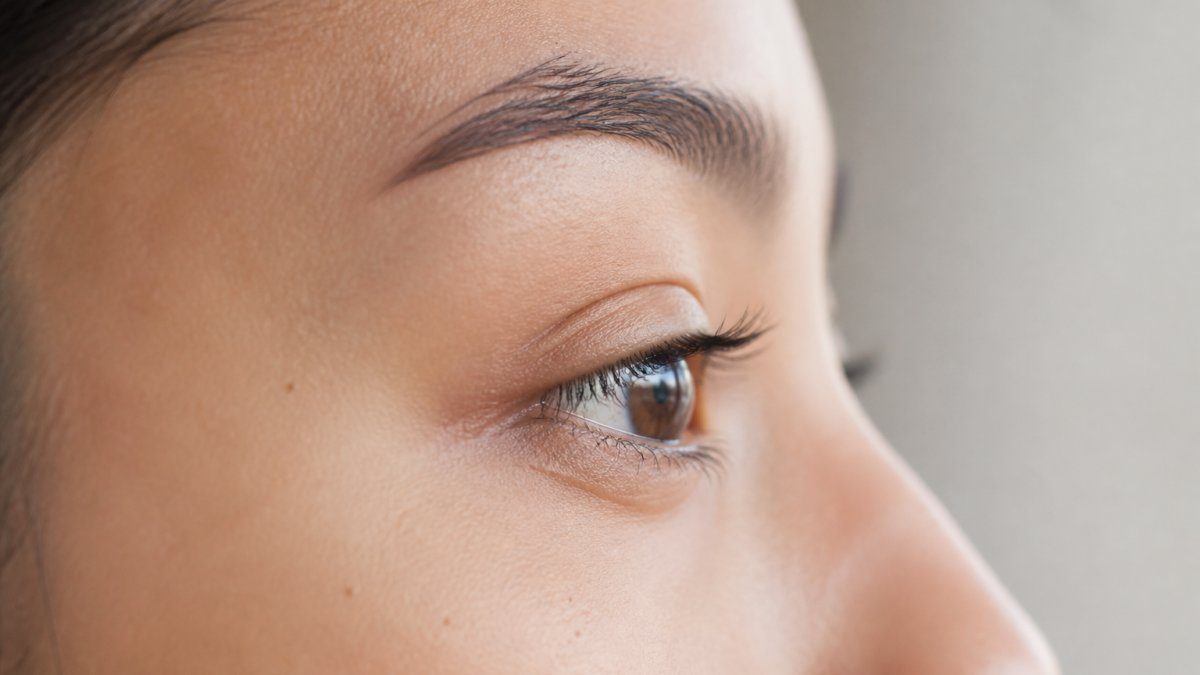
How to Identify Your Eye Shape and Natural Lash Direction
Stand at a mirror in even light and look straight ahead. Then check these four things:
- Eyelid visibility: Can you see the crease when your eye is open? If not, you likely have hooded or monolid eyes.
- Eye depth: Do your eyes sit back under the brow bone? That points to deep-set eyes.
- Outer corner angle: Does the outer corner tilt up, down, or stay level?
- Natural lash direction: Look at how your lashes grow. Do they point straight out, upward, or downward at the corners?
That last check matters more than people expect. A lash that grows downward needs a stronger lift to look open. A lash that already points up can handle a softer curl.
Lash Curl Types: C, CC, D and L Explained
Lash curl types describe how much the extension bends back toward the eyelid. Each letter signals a different amount of lift, and that lift changes how open or dramatic the eye looks.
- B curl: The softest common lift. Good for a very natural look on already-curved lashes.
- C curl: A moderate, versatile lift that suits most eyes.
- CC curl: Slightly stronger than C, with a bit more lift and definition.
- D curl: The most dramatic lift, ideal for straight or downward-growing lashes.
- L curl: A flat base with an angled tip, useful for hooded and deep-set eyes that need lift without touching the lid. If you’re weighing a curl-based service, read our Japanese AirLash guide to see how it works and whether it suits you.
C Curl vs D Curl Lashes: What Actually Changes
The real difference between C curl vs D curl lashes comes down to lift and eyelid clearance. A C curl gives a gentle, open-eyed look. A D curl pulls the lash tip further back, creating more projection and a bolder finish.
Here is what changes in practice:
- C curl reads as soft and natural. It works on most eye shapes without overwhelming them.
- D curl reads as glamorous. It opens straight lashes but can crowd a prominent eye.
- Eyelid clearance is the deciding factor. On a hooded eye, a strong D curl can push lashes into the crease.
The Best Lash Curl for Hooded Eyes (and What to Avoid)
Hooded eyes are the shape most often mismatched to a curl, because the fold of skin over the crease changes what ‘lift’ actually does. On a non-hooded eye, a stronger curl pushes the lash tip up and out. On a hooded eye, that same tip can rotate back into the fold, which is why a curl that looks great on a chart can feel heavy or scratchy in real life.
Why clearance, not drama, is the goal
The working principle is eyelid clearance: the lash tip needs to travel up and outward past the fold, not curl back toward it. A C or CC curl with a flat-to-moderate base gives the tip a forward trajectory that clears the hood. A strong D curl rotates the tip further back toward the lid, and on a deep fold that is exactly the direction you do not want.
What to choose
- C curl: the safest default for hooded eyes. Moderate lift, forward projection, minimal risk of the tip tucking into the crease.
- CC curl: a good step up when the natural lashes grow straight or downward and need more lift to be visible at all.
- L curl: a flat base with an angled tip. The flat base sits along the lash line without rotating back, and the angled tip lifts outward, often the most reliable option for a heavy hood or a very downward outer corner.
What to avoid
- A full lash line of strong D curl. The tips rotate toward the lid and can press into the fold, causing discomfort when you blink.
- Long lengths paired with a strong curl. Length amplifies whatever the curl does. A long D on a hooded eye is the classic combination that touches the brow bone or the lid.
- A single curl across the whole eye. Hooded eyes usually need more lift at the outer third and less at the inner corner.
If extensions feel like they are tapping your eyelid when you blink, the curl is too strong for your fold or the length is too long. Do not wait for irritation, have the set reviewed and remapped.
How to map it
Best for: hooded eyes that need visible lift without the tip tucking into the crease.
Skip if: your natural lashes already curl strongly upward, extra lift can look unnatural and shorten the visible lash line.
For the broader styling picture, see our guide to choosing the right lash extension style.
Matching Lash Curl to Your Natural Lash Direction
Your natural lash direction should guide the curl you pick. Lashes that grow straight or downward benefit from more lift, while lashes that already curve upward need less.
This is where a one-size chart fails. Two clients with the same eye shape can need different curls because their lashes grow differently.
An Eye-Shape-by-Curl Decision Matrix
Use this matrix as a starting point, then adjust with your lash artist. You can also contact the studio to schedule an appointment or ask questions. Once you’ve picked a curl, you can book an eyelash extension service that applies it.
| Eye Shape | Recommended Curl | Why It Works | Watch Out For |
|---|---|---|---|
| Hooded | C or CC | Lifts without crowding the crease | Strong D curl can touch the lid |
| Deep-set | C or CC | Brings lashes forward into view | Overly flat curls hide the eye |
| Almond | C or CC | Keeps the natural, balanced shape | Too much lift looks heavy |
| Round | C or B | Softens the roundness | Very strong curl widens the eye more |
| Downturned | CC or D at the corners | Lifts the outer corner | Even curl can drag the eye down |
| Monolid | L or CC | Clears the lid and adds definition | D curl can disappear or poke |
| Prominent | B or C | Keeps the look soft | Strong curl adds unwanted drama |
Curl, Length, Diameter and Mapping Work Together
Curl alone will not make a set look right. Length, diameter, and mapping all pull on the final result, and they have to agree.
- Length: longer lashes add drama but can droop if the curl is too soft.
- Diameter: thicker lashes look bolder; thinner ones stay weightless and natural.
- Mapping: the pattern of short-to-long lashes shapes the eye, whether you want a cat-eye lift or a soft, open look.
Get the curl right and the wrong length, and the set still looks off. That is why we plan all four together. For the full picture, see our guide to choosing the right lash extension style.
Troubleshooting Discomfort, Poor Retention and Lashes Touching the Lid
If your extensions hurt when you blink, our team explains the causes in why lash extensions hurt when you blink. A proper consultation catches most of these issues before they start.
Frequently Asked Questions
Are C or D lashes better?
Neither is better on its own; the right lash curl depends on your eye shape and natural lash direction. A C curl gives a soft lift that suits almond, round and most hooded eyes, while a D curl adds more projection and drama for deep-set or downturned eyes. If your natural lashes already point upward, a strong D curl can look overdone or curl back toward the lid. Ask your lash artist to test a mixed mapping so the inner corner stays softer and the outer corner lifts.
Which lash curl works best for hooded eyes?
A C or CC curl usually works best for hooded eyes because it lifts the lashes clear of the fold without curling back into it. Very tight D curls can disappear under the hood or brush the skin, which causes discomfort and weak retention. Pair a softer inner-corner curl with a slightly stronger outer-corner curl to open the eye. Your lash artist should check clearance with your eyes open before committing to the full set.
How do I choose a lash curl for downward-growing natural lashes?
Downward-growing natural lashes need a curl that redirects them upward without pulling. A CC or D curl gives enough lift to counter the downward angle, and lash mapping that places longer, stronger curls at the outer corner helps open the eye. If the natural lash points down sharply, a very tight curl can twist against the base and weaken retention. A consultation lets your artist assess lash growth direction and choose a curl that blends with it.
What is the difference between C, CC, D and L lash curls?
C curl is a soft, open curve that reads natural and suits most eye shapes. CC curl sits between C and D, giving more lift while staying wearable. D curl is the tightest of the three, adding dramatic projection for deep-set or downturned eyes. L curl has a flat base with an angled tip, which makes it useful for monolids and eyes where a round curl would sit against the lid. Each lash curl type changes how much the eye opens and how natural the result looks.
Picking a curl is a decision about your eye, not a trend. If you want a set mapped to your shape, direction, and comfort, Lashes by Shigeru builds each appointment around the individual eye using our Japanese AirLash® technique and virtually weightless extensions that last up to five weeks. Our hypoallergenic application and in-house manufactured adhesives keep the process comfortable from start to finish. Get started with Lashes by Shigeru and book a consultation for lashes that fit your eyes.

No Comments