
Silk vs Synthetic Lash Extensions: Which Lasts Longer?
Table of Contents
- Silk vs Synthetic Lash Extensions: Material Differences That Matter
- Silk Lash Extensions: Pros and Cons
- Synthetic Lash Extensions: Pros and Cons
- Durability, Weight, and Curl Retention Compared
- Which Lash Extensions Look Most Natural
- Lash Extension Aftercare and Retention: How to Make Either Type Last
- How to Choose the Right Material for Your Lashes
- Frequently Asked Questions
Last Updated: October 10, 2026
Silk vs Synthetic Lash Extensions: Material Differences That Matter
The choice between silk and synthetic lash extensions comes down to one core question: what matters more to you, a natural appearance or dramatic definition? At Lashes by Shigeru, we’ve worked with hundreds of clients across the greater Los Angeles area, and this decision shapes not just how your lashes look, but how long they last and how comfortable they feel day to day.
Silk lash extensions and synthetic lash extensions are fundamentally different materials with distinct properties. Understanding these differences helps you make a choice that aligns with your natural lash condition, lifestyle, and the look you’re after.
What Silk Lash Extensions Actually Are
Silk lash extensions aren’t made from actual silk fabric. Instead, they’re synthetic fibers engineered to mimic the look and feel of natural silk. These fibers are finer and softer than traditional synthetic materials, with a subtle sheen that blends seamlessly with natural lashes.
The manufacturing process creates a material with lower density. This means silk lash extensions weigh less per strand. They’re also more flexible, which matters because they move more naturally with your eye. When you blink or look to the side, silk extensions bend slightly rather than staying rigid.
One practical advantage: silk’s softer texture is gentler on your natural lashes during application and wear.
Silk lash extensions work best for clients who already have decent natural lash thickness. If your natural lashes are sparse or very fine, the weight difference between silk and synthetic becomes less relevant, focus on proper application technique instead.
What Synthetic Lash Extensions Are Made From
Synthetic lash extensions are made from plastic polymers, typically PBT (polybutylene terephthalate) or similar materials. These fibers are denser and heavier than silk options. They hold their curl shape extremely well because the material has higher rigidity.
The texture is smoother and shinier than silk. This creates a more defined, dramatic look right out of the box. Synthetic lash extensions photograph beautifully because that shine catches light and creates visible dimension.
Synthetic materials have different adhesive compatibility. The surface porosity means the adhesive bonds differently, not better or worse, just differently.
The durability advantage here is real: synthetic lash extensions hold their curl through more wear cycles.
Silk Lash Extensions: Pros and Cons
Silk lash extensions deliver a natural, feathered appearance that works well for everyday wear and clients who want their lashes to look like an enhanced version of their own. The lightweight nature makes them feel almost undetectable on your eyes.
Pros of silk lash extensions:
- Lighter weight reduces strain on natural lashes
- More flexible, creating natural movement with blinking
- Softer texture feels more comfortable during application
- Blends seamlessly with natural lashes for a subtle look
- Creates a feathered, wispy appearance that looks grown-in
Cons of silk lash extensions:
- Curl retention isn’t as strong as synthetic over time
- Requires more careful aftercare to maintain shape
- Can appear less dramatic if that’s your goal
The real limitation with silk is maintenance. Because the material is softer and more flexible, the curl naturally relaxes over time. By week three or four, you might notice your silk lashes starting to straighten slightly. This isn’t a defect, it’s the nature of the material.
Silk lash extensions require consistent, disciplined aftercare. Sleeping on your side or stomach, rubbing your eyes, or using oil-based products around the lash line will accelerate curl loss and reduce retention significantly.
Synthetic Lash Extensions: Pros and Cons
Synthetic lash extensions are engineered for drama and longevity. These extensions hold their curl shape through the full five-week wear cycle and beyond. They’re the choice for special events, photo shoots, and clients who want visible, statement-making lashes.
Pros of synthetic lash extensions:
- Exceptional curl retention throughout wear period
- Holds shape even with less-than-perfect aftercare
- Creates dramatic, voluminous appearance
- Works well for special occasions and events
Cons of synthetic lash extensions:
- Heavier weight can strain fine or weak natural lashes
- Stiffer material feels less natural on the eye
- More noticeable appearance, harder to hide the fact you’re wearing extensions
- Shine can look artificial in certain lighting
- Less comfortable for sensitive eye clients
- Can feel less flexible and natural-moving
The weight factor matters more than people realize. If your natural lashes are already fine or damaged, adding heavier synthetic extensions accelerates natural lash loss.
Durability, Weight, and Curl Retention Compared
Here’s where the material science becomes practical. Silk vs synthetic lash extensions differ significantly in how they perform over time.
| Characteristic | Silk Lash Extensions | Synthetic Lash Extensions |
|---|---|---|
| Material weight | Lighter | Heavier |
| Flexibility | High (moves naturally) | Low (stays rigid) |
| Lifespan before refill | 4-5 weeks | 4-5 weeks |
Curl retention is the biggest practical difference. Synthetic extensions maintain their curl because the material resists deformation.
Weight matters most if you have naturally fine or sparse lashes. A single synthetic extension weighs more than a silk extension of the same length. Over 80-120 extensions on each eye, that difference compounds. Choosing a lighter material preserves the health of your natural growth, a principle further explored in our fuller lashes guide.
The “best” material isn’t about silk being superior to synthetic or vice versa. It’s about matching the extension material to your natural lash strength and your lifestyle. Fine lashes + silk = longer-lasting results. Thick lashes + synthetic = dramatic, durable wear.
Adhesive compatibility affects how long extensions stay bonded. At Lashes by Shigeru, we use in-house manufactured adhesives designed for both materials to ensure maximum retention regardless of which you choose.
Which Lash Extensions Look Most Natural
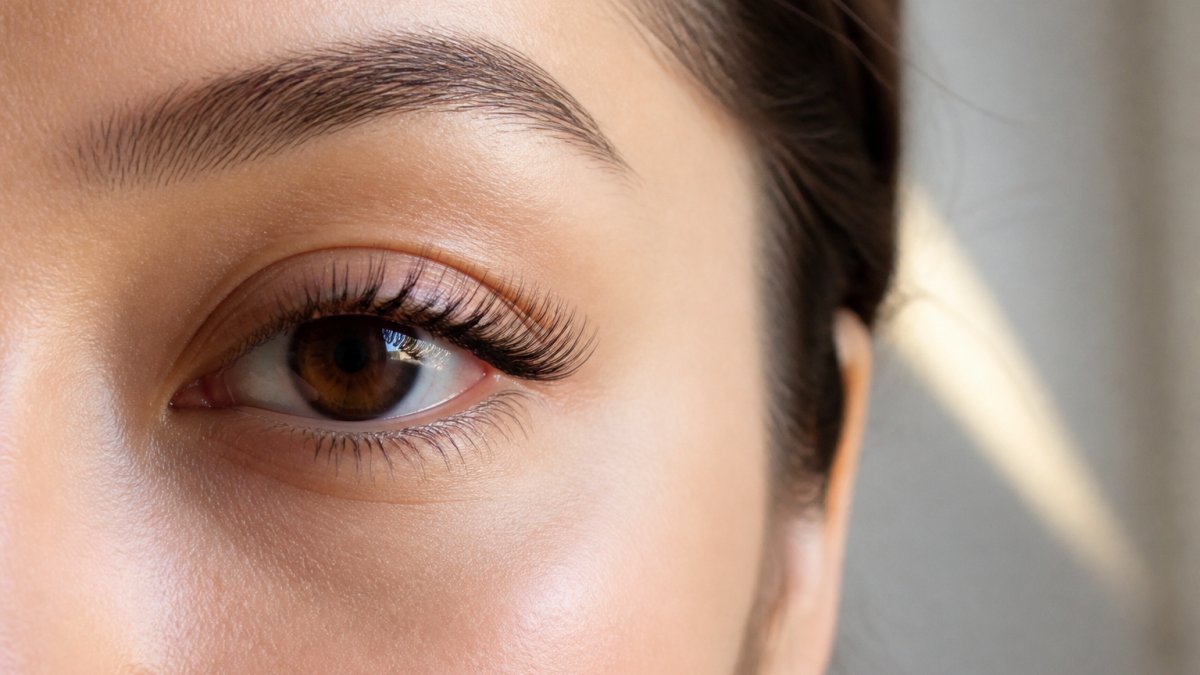
If your goal is natural-looking lashes, silk lash extensions win decisively. The softer texture, subtle sheen, and lightweight nature create lashes that look like an enhanced version of your own.
Silk extensions blend with natural lashes because they move the same way. When you blink or look to the side, they flex slightly. This mimics how real lashes move. The result: observers see lashes, not extensions.
The appearance difference is immediate and noticeable. Silk lashes catch light differently. They have a matte-to-satin finish rather than the high gloss of synthetic. This subdued shine reads as “natural” to the human eye because real lashes don’t have that plastic-like reflection.
Synthetic extensions create a different aesthetic. The uniform shine, rigid curl, and heavier appearance read as “extensions” immediately. This isn’t bad, it’s intentional. If you want dramatic, voluminous, statement-making lashes, synthetic delivers that look consistently.
For everyday wear and professional settings where you want people to notice your eyes but not your lashes, silk is the answer. For special events, date nights, or when you want maximum drama, synthetic lash extensions shine.
The length and curl style matter too. A longer, more dramatic curl looks intentional regardless of material.
Lash Extension Aftercare and Retention: How to Make Either Type Last
Both silk and synthetic lash extensions require consistent aftercare to reach their full five-week lifespan. The difference is that synthetic extensions forgive minor neglect, while silk demands discipline.
General aftercare rules apply to both:
- Avoid water and steam for 24-48 hours after application
- Don’t rub or pull on your lashes
- Brush gently with a clean spoolie daily
- Avoid oil-based products on the lash line
- Don’t sleep face-down on your pillow
- Avoid mascara and eyeliner for the first week
For silk lash extensions specifically, aftercare becomes critical by week two. The curl starts to relax naturally.
Adhesive quality matters enormously for both materials. A quality lash adhesive creates a stronger bond and longer retention.
Schedule your refill appointment at week three, not week four. Extensions naturally shed as your natural lashes grow out. By week three, you’ll have lost 20-30% of extensions. Refilling at this point keeps your lashes looking full and prevents gaps that make extensions obvious.
At Lashes by Shigeru, we use in-house formulated adhesives and growth serums designed for maximum retention with both silk and synthetic materials.
How to Choose the Right Material for Your Lashes
Your decision should consider three factors: your natural lash condition, your lifestyle, and the look you want.
Choose silk lash extensions if:
- Your natural lashes are fine, short, or sparse
- You want a natural, everyday appearance
- You have sensitive eyes or previous adhesive reactions
- You’re willing to commit to careful aftercare
- You prefer lightweight extensions that feel undetectable
- You want lashes that move naturally with your eyes
Choose synthetic lash extensions if:
- Your natural lashes are thick and strong
- You want dramatic, voluminous lashes
- You’re less consistent with aftercare routines
- You need extensions that hold their curl reliably
- You’re preparing for a special event or photo shoot
- You prefer bold, statement-making lashes
- You have a lifestyle that’s rough on lashes (rubbing eyes, sleeping face-down)
The honest truth: if your natural lashes are already compromised, thin, brittle, or damaged from previous extensions, neither material is ideal.
If you’re unsure about your natural lash condition, a consultation with an experienced lash technician is invaluable. They can assess your lash strength, discuss your lifestyle, and recommend the material that will give you the best results.
At Lashes by Shigeru, our master lash stylist Shigeru Hanai takes time during your consultation to understand your natural lash condition and your goals. We use our proprietary Japanese AirLash® technique with both silk and synthetic materials, ensuring virtually weightless application and maximum comfort regardless of which material you choose.
The difference between silk and synthetic lash extensions isn’t about one being universally better, it’s about matching the material to your unique situation. Silk delivers natural beauty and comfort for clients with fine lashes. Synthetic provides dramatic durability for clients with strong lashes who want statement-making definition.
The real factor that determines your satisfaction isn’t the material alone. It’s the combination of the right material for your lashes, proper application technique, quality adhesives, and consistent aftercare. At Lashes by Shigeru, we handle the first three. You handle the fourth. Together, that’s how you get lashes that look beautiful and last the full five weeks. Book an appointment and let’s find the right material for your natural lashes.
Frequently Asked Questions
Are silk lash extensions better than synthetic ones?
Neither is universally better, it depends on your priorities. Silk lash extensions feel lighter, making them ideal for sensitive eyes and everyday wear. Synthetic lash extensions offer superior durability and curl retention. Silk typically lasts 4-5 weeks with proper care. Choose silk if natural appearance matters most; choose synthetic if you want maximum longevity and dramatic curl.
How long do silk and synthetic lash extensions last?
Silk lash extensions typically last 4-5 weeks before requiring a refill. However, real-world retention depends heavily on aftercare: avoiding oil-based products, not rubbing your eyes, and keeping lashes clean extends wear time for both types significantly.
What are the downsides of silk lashes?
Silk lash extensions don’t retain curl as well over time. For dramatic, long-lasting looks, synthetic extensions may be preferred.
Which lash material is healthiest for sensitive eyes?
Silk lash extensions are generally better for sensitive eyes because they’re lighter and more flexible. The reduced weight means less strain and irritation. If you have a history of reactions, discuss adhesive options with your lash technician before application.