
7 Best Oil-Free Cleansers for Lash Extensions in 2026
Table of Contents
- Quick Comparison: 7 Best Oil-Free Cleansers for Lash Extensions
- Why Oil-Free Cleansers Are Non-Negotiable for Lash Extensions
- 1. Lashes by Shigeru: In-House Formulated for AirLash® Retention
- 2. Stacy Lash Shampoo: The Professional-Grade Foaming Cleanser
- 3. Neutrogena Oil-Free Eye Makeup Remover: The Drugstore Staple
- 4. Bioderma Sensibio H2O Micellar Water: Best for Sensitive Eyes
- 5. Youth to the People Superfood Cleanser: The Skincare Multi-Tasker
- 6. CeraVe Foaming Facial Cleanser: Best Budget Barrier-Support Formula
- 7. We Love Eyes Foaming Cleanser: Best for Deep Lash Hygiene
- How to Clean Lash Extensions at Home Without Damaging the Bond
- The Lash Extension Aftercare Routine That Protects Retention
- Budget vs. Professional Grade: What You Actually Pay For
- Travel-Friendly Lash Care and Post-Cleansing Drying
- Frequently Asked Questions
Last Updated: September 14, 2026
Quick Comparison: 7 Best Oil-Free Cleansers for Lash Extensions
The best oil-free cleansers for lash extensions break down makeup and debris without touching the cyanoacrylate adhesive holding your fans in place. Lashes by Shigeru ranks seven formulas by how well they protect retention.
Quick Picks:
- Best Overall: Lashes by Shigeru In-House Cleanser, formulated for AirLash® retention
- Best Professional Foam: Stacy Lash Shampoo
- Best Drugstore Pick: Neutrogena Oil-Free Eye Makeup Remover
- Best for Sensitive Eyes: Bioderma Sensibio H2O Micellar Water
| Cleanser | Type | Best For | Oil-Free |
|---|---|---|---|
| Lashes by Shigeru | In-house foam | AirLash® clients | Yes |
| Stacy Lash Shampoo | Foaming shampoo | Daily maintenance | Yes |
| Neutrogena Oil-Free | Dual-phase liquid | Waterproof makeup | Yes |
| Bioderma Sensibio H2O | Micellar water | Sensitive eyes | Yes |
| Youth to the People | Gel-to-foam | Multi-taskers | Yes |
| CeraVe Foaming | Foaming gel | Oily skin | Yes |
| We Love Eyes | Tea tree foam | Lash hygiene | Yes |
Lash extensions are held by cyanoacrylate adhesive, and oil is its enemy. American Academy of Ophthalmology guidance on eye makeup and lash products notes that oil-based products around the lash line can weaken bonds and irritate the lid margin over time. That single fact drives everything below.
Why Oil-Free Cleansers Are Non-Negotiable for Lash Extensions
Oil-free cleansers are non-negotiable because oil-based makeup remover dissolves the same adhesive bonds that keep extensions attached, causing premature shedding clients often blame on the lash artist.
Cyanoacrylate adhesive cures into a rigid polymer, and oils gradually break it down. A water-based, pH-balanced cleanser lifts dirt and debris without attacking the bond, which is why lash artists hand clients a lash shampoo instead of a generic face wash.
A common mistake is assuming any “gentle” cleanser is safe. Products listing jojoba, coconut, or mineral oil near the top of the label will shorten the life of your set.
1. Lashes by Shigeru: In-House Formulated for AirLash® Retention
Our top pick is our own cleanser, and the reason is control. We manufacture our lash products, adhesives, and growth serums in-house, so our cleanser is built around the same AirLash® adhesive system our technicians use.
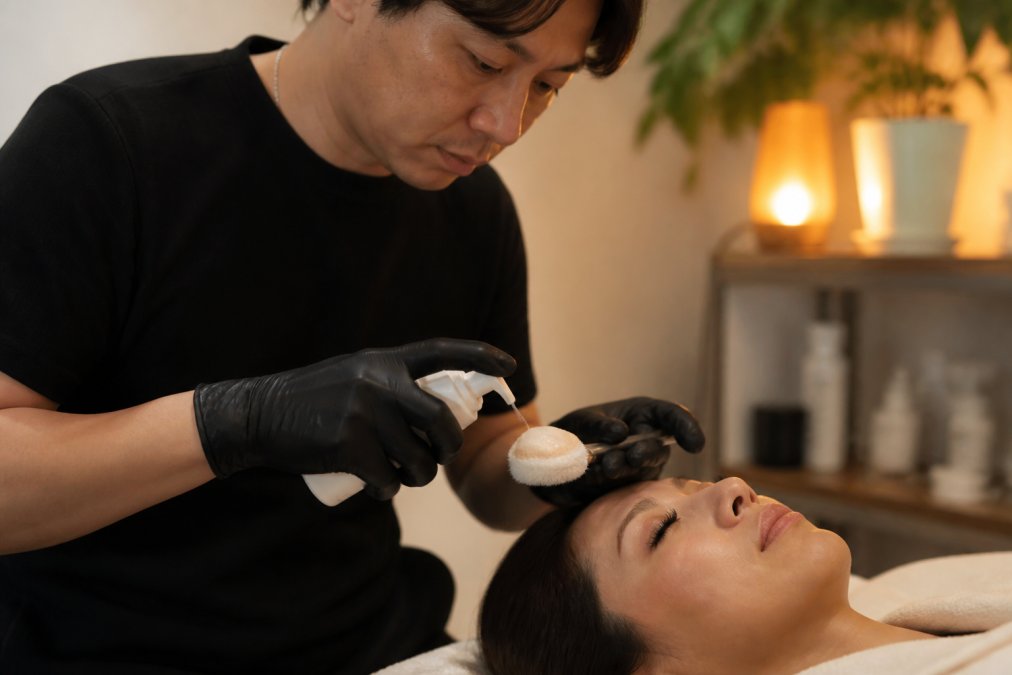
Perfected with input from our salon clients, the cleanser is hypoallergenic and safe for sensitive eyes.
Pros:
- Formulated in-house alongside our adhesives and serums
- Hypoallergenic and built for sensitive eyes
- Designed to protect AirLash® retention
Cons:
- Available only through our salon, not retail
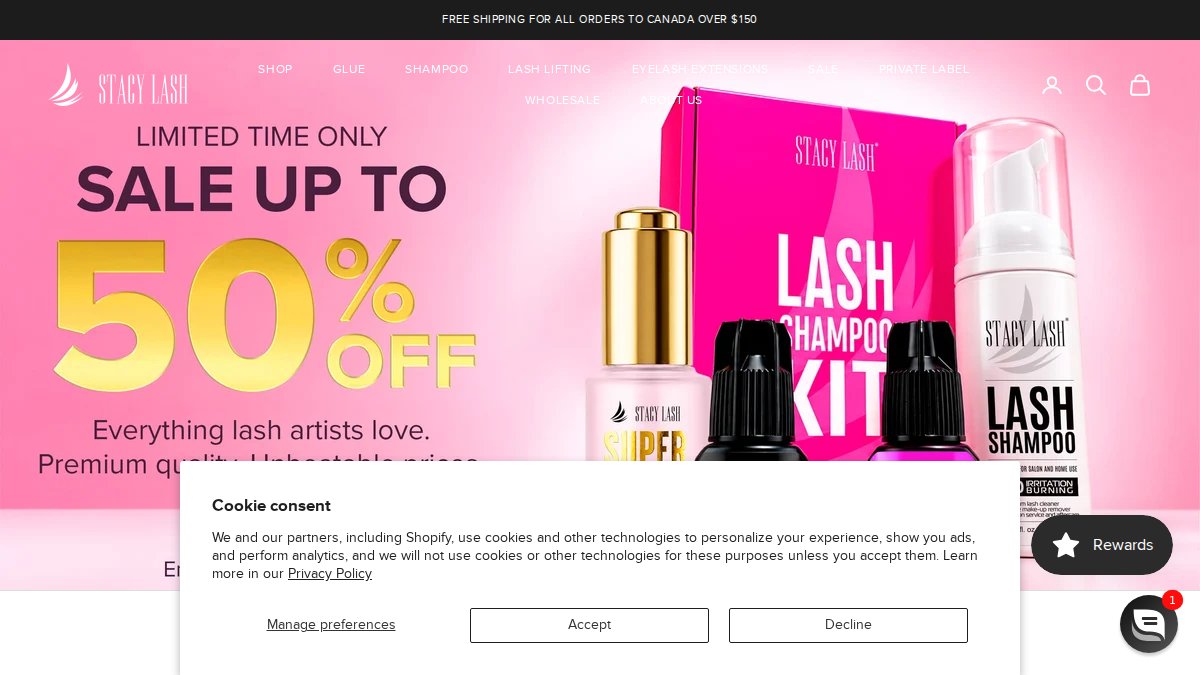
2. Stacy Lash Shampoo: The Professional-Grade Foaming Cleanser
Stacy Lash Shampoo is the workhorse many technicians recommend for daily maintenance. The oil-free foaming cleanser lifts dirt and makeup residue without leaving a film.
Pros:
- Foaming action reaches between fans
- Non-irritating for most sensitive eyes
- Widely used in professional settings
Cons:
- Can feel slightly drying on some skin types
3. Neutrogena Oil-Free Eye Makeup Remover: The Drugstore Staple
If you wear waterproof mascara or long-wear liner, this dual-phase liquid is the most accessible option here. It is ophthalmologist-tested and lifts stubborn makeup without a greasy residue.
Pros:
- Effective on waterproof formulas
- Available in nearly every pharmacy
- Non-greasy finish
Cons:
- Requires shaking before each use to mix the phases
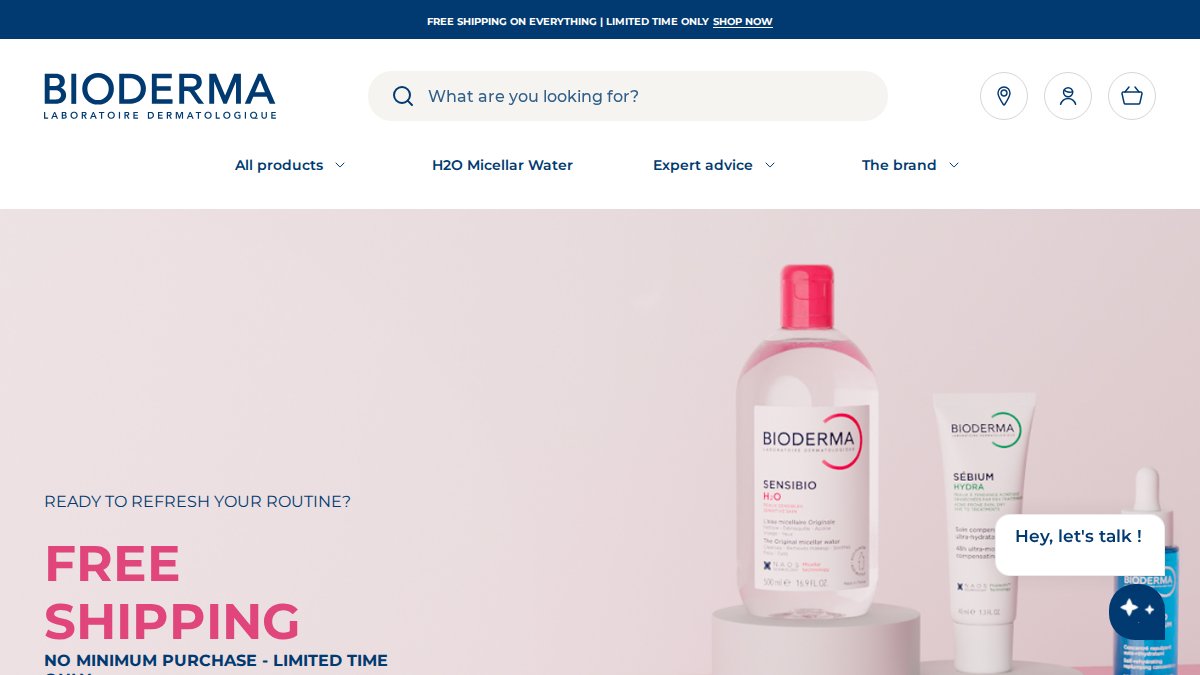
4. Bioderma Sensibio H2O Micellar Water: Best for Sensitive Eyes
Bioderma Sensibio H2O is the pick for reactive skin and sensitive eyes: fragrance-free, alcohol-free, pH-balanced, no rinsing required.
Pros:
- Extremely gentle, fragrance-free formula
- No rinsing required
- Safe for reactive skin
Cons:
- Heavy makeup may need several passes
5. Youth to the People Superfood Cleanser: The Skincare Multi-Tasker
This gel-to-foam cleanser suits people who want one product for the whole face. It is pH-balanced and gentle enough around the eye area to double as a lash-safe face wash.
Pros:
- Clean, antioxidant-rich ingredient list
- Does not strip the skin
- pH-balanced
Cons:
- Costs more than a dedicated drugstore cleanser
6. CeraVe Foaming Facial Cleanser: Best Budget Barrier-Support Formula
CeraVe is the affordable option that still respects the bond: oil-free, fragrance-free, non-comedogenic, with ceramides and hyaluronic acid. The caveat: it is a face wash, not a lash shampoo, so keep it off the adhesive line.
Pros:
- Inexpensive and easy to find
- Supports skin barrier health
- Oil-free and fragrance-free
Cons:
- Not marketed as a lash-specific product
7. We Love Eyes Foaming Cleanser: Best for Deep Lash Hygiene
We Love Eyes is built specifically for eye hygiene and lash extension care. The tea tree-infused foam is pH-balanced for the eye area and free from parabens and sulfates.
Pros:
- Designed for eye health, not just makeup removal
- Paraben-free and sulfate-free
- Natural tea tree cleansing
Cons:
- The tea tree scent is strong for some users
How to Clean Lash Extensions at Home Without Damaging the Bond
Cleaning lash extensions at home takes about two minutes and four steps, and doing it correctly is the single biggest factor in how long your set lasts. Skip it, and oils, dead skin, and makeup residue collect at the base of the fans.
Maintaining this level of care extends to your scalp as well, as washing hair extensions requires a similarly gentle touch to preserve the integrity of the adhesive bonds.
- Wet a soft cleansing brush with lukewarm water.
- Apply a small amount of oil-free foaming cleanser to the brush.
- Close your eyes and sweep the brush gently along the lash line, top and bottom.
- Rinse with lukewarm water and pat dry, then brush the lashes with a clean spoolie.
Never rub your lashes dry with a towel. Friction pulls on the bond and causes premature shedding. Pat, then air-dry or use a cool hairdryer on the lowest setting.
The Lash Extension Aftercare Routine That Protects Retention
A lash extension aftercare routine separates a set that lasts five weeks from one that thins out in ten days. The steps are simple; consistency is what counts.
- Cleanse once daily with an oil-free foaming cleanser.
- Keep oil-based makeup remover and oil-based skincare away from the lash line.
- Brush lashes with a spoolie each morning.
- Avoid waterproof mascara entirely.
- Book touch-ups on schedule rather than waiting for gaps to appear.
According to U.S. Food and Drug Administration guidance on cosmetic safety and labeling, consumers should check ingredient labels on eye-area products, which is exactly the habit that protects both your lashes and your lid margin.
Budget vs. Professional Grade: What You Actually Pay For
The gap between a budget cleanser and a professional-grade lash shampoo comes down to formulation intent. A drugstore face wash is designed for skin; a professional lash shampoo is designed for a bond. That difference shows up in pH, surfactant choice, and residue.
pH balance. Cyanoacrylate adhesive cures best in a slightly acidic environment. Most professional lash shampoos are buffered to a pH close to healthy tears, roughly 7.0 to 7.4, so they do not push the bond toward the alkaline side where cured cyanoacrylate softens faster. Many foaming face washes sit higher on the scale because they are built to strip sebum from the forehead and nose, not to sit on the lid margin.
Surfactant choice. Professional formulas lean on mild, non-ionic surfactants that lift oil and debris without leaving a film. Budget foaming gels often use stronger anionic surfactants that clean aggressively but leave a residue, which traps skin cells and makeup particles at the base of the fan where they harden and tug on the bond.
Residue and rinse-ability. A lash shampoo rinses clean with lukewarm water and no rubbing. A face wash may need more passes to feel fully rinsed, and every extra pass is friction on the adhesive line.
| Priority | Choose | Why |
|---|---|---|
| Maximum retention | Professional lash shampoo | Buffered pH and mild surfactants formulated for adhesive compatibility |
| Sensitive eyes | Fragrance-free micellar water | Minimal irritation risk, no rinse required |
| Tight budget | Oil-free drugstore cleanser | Works if kept off the bond and rinsed thoroughly |
| One product for face and lashes | pH-balanced gel cleanser | Multi-purpose, lash-safe when oil-free |
When a budget option is genuinely fine. If your cleanser is oil-free and fragrance-free, and you apply it with a soft brush only along the lash line rather than scrubbing the whole eye area, a drugstore formula can work. CeraVe Foaming Facial Cleanser and similar barrier-support gels fit this category. The trade-off: you are using a product engineered for skin around an adhesive, so technique matters more.
When to stop cutting corners. If you pay for a full set and a fill every two to three weeks, the cleanser is not the place to save. A professional-grade lash shampoo costs a fraction of a fill appointment, and the retention difference usually shows up within two weeks. Clients who switch from a generic face wash to a dedicated lash shampoo report fewer premature gaps, because it was formulated to leave the bond alone.
Budget cleansers are not automatically unsafe. They are simply built for a different job. If you use one, keep it off the adhesive line, rinse thoroughly, and never rub. If you want the formula to do that work for you, choose a professional lash shampoo with a buffered pH and mild surfactants.
Travel-Friendly Lash Care and Post-Cleansing Drying
Travel and drying are the two areas most guides ignore, and both affect retention. A travel-sized foaming cleanser and a clean spoolie fit in any carry-on, so there is no reason to skip cleansing on a trip.
TSA-compliant packing. Liquids and gels in a carry-on must be 3.4 ounces (100 milliliters) or less and fit inside a single quart-sized clear bag (tsa.gov). A travel-size foaming lash shampoo, a small bottle of micellar water, and a spare spoolie all fit comfortably. If you decant your full-size lash shampoo, use a leak-proof silicone travel bottle and label it, since heat and cabin pressure can make it weep. Pack the spoolie in a hard case so the bristles do not bend.
Humidity and cabin air. Dry cabin air on a long flight can leave the lash line feeling tight and encourage eye rubbing. A quick cleanse at the airport before boarding, followed by a gentle pat dry, removes the day’s debris before it sits against the bond for hours. Humid destinations are the bigger retention risk: sweat and humidity soften the lash line and help oils from sunscreen and moisturizer migrate upward. If you are heading somewhere humid, cleanse morning and night rather than once daily.
Sunscreen and travel skincare. This is where most travel-related retention loss happens. Sunscreens and moisturizers are often oil-based or contain emollients that creep toward the lash line overnight. Apply them before your lash line, not after, and keep a wide margin around the eyes. If you use a facial mist on the plane, mist below the eyes and blot.
Post-cleansing drying, done properly. Drying matters as much as cleansing. After rinsing, pat the lash line gently with a lint-free cloth, then air-dry for a minute or two before applying makeup or serum. Heat and friction are the fastest ways to weaken a fresh bond, so skip the hot hairdryer and the vigorous towel rub.
A simple drying sequence that protects retention:
- Rinse with lukewarm water until no foam remains.
- Pat the lash line once with a lint-free cloth, moving downward, never side to side.
- Brush the lashes with a clean spoolie while they are still slightly damp to separate fans.
- Air-dry for one to two minutes, or use a cool hairdryer on the lowest setting held at least a foot away.
- Do not apply mascara, serum, or eye cream until the lashes are fully dry.
Why air-drying beats towel-drying. A towel rub pulls on the bond in multiple directions and can catch a fan and yank it loose. Air-drying lets the adhesive return to its cured state without mechanical stress. If you are in a hurry, a cool hairdryer on the lowest setting is the only safe heat source; warm or hot air softens the bond like a hot shower does.
If your lashes feel stiff after cleansing, you used too much product. A pea-sized amount of foaming cleanser is enough for a full set. Rinse thoroughly and the softness returns.
Never rub your lashes dry with a towel. Friction pulls on the bond and causes premature shedding. Pat, then air-dry or use a cool hairdryer on the lowest setting.
Frequently Asked Questions
What is the best oil-free cleanser for eyelash extensions?
The best option depends on your needs. For professional-grade cleaning, Stacy Lash Shampoo is widely recommended by lash technicians. For sensitive eyes, Bioderma Sensibio H2O is fragrance-free and alcohol-free. If you want a formula made specifically for AirLash® extensions, Lashes by Shigeru manufactures its own oil-free cleansers in-house. All three avoid the oils that break down cyanoacrylate adhesive and cause premature shedding.
Why do lash extensions fall out faster when you use the wrong cleanser?
Lash extensions bond to natural lashes with cyanoacrylate adhesive. Oil-based makeup removers and cleansers dissolve that bond, causing extensions to slip off within days instead of lasting the full growth cycle. Oil-free formulas clean away dirt, debris, and makeup residue without weakening the adhesive. If your extensions shed prematurely, switch to an oil-free, pH-balanced cleanser and avoid oil-based eye products entirely.
Can I use micellar water on my lash extensions?
Yes, if it is oil-free. Bioderma Sensibio H2O is a fragrance-free, alcohol-free micellar water that cleanses without leaving residue on the bond. Avoid micellar waters that contain oils or heavy emollients, since those weaken adhesive. Apply it to a cotton pad, press gently along the lash line, and avoid rubbing. For heavier makeup, follow with a foaming lash shampoo for a deeper clean.
How often should I wash my lash extensions?
Wash them daily with an oil-free foaming cleanser. Daily cleansing removes dirt, debris, and natural oils that accumulate on the lash line and weaken adhesive over time. If you wear eye makeup, cleanse every night without exception. On days when you skip makeup, a gentle rinse with lash shampoo is still recommended. Consistent daily cleaning is one of the biggest factors in maintaining lash retention between appointments.
What ingredients should I avoid in lash extension cleansers?
Avoid oils of any kind (mineral, coconut, jojoba, argan), oil-based makeup removers, and heavy creams near the eye area. Skip cleansers with parabens, sulfates, or alcohol, which can dry out the lash line and irritate sensitive eyes. Look for labels that say oil-free, pH-balanced, paraben-free, sulfate-free, and alcohol-free. Dermatologically tested and ophthalmologically tested formulas are safer choices for sensitive eyes.