
How to Prevent Lash Extension Breakage and Keep Lashes Healthy
Last Updated: November 24, 2026
Quick Summary
To prevent lash extension breakage, pair a weight-appropriate application with gentle daily handling: an extension no heavier than the natural lash can carry, correct isolation, and hands-off aftercare. Protect the natural lash first, and the extensions last longer too.
- Keep the first 24 to 48 hours water-free and steam-free to protect the adhesive bond.
- Sleep on your back on a silk or satin pillowcase to reduce overnight friction.
- Skip oil-based cleansers, creams, and waterproof mascara entirely.
- Book professional removal of loose, heavy, or clumped extensions instead of pulling them yourself.
- Pause extensions for a growth cycle if lashes are visibly thinner or a bald patch is not improving.
Table of Contents
- How do you prevent lash extension breakage?
- How to keep lash extensions from falling out
- How to protect eyelash extensions when sleeping
- How to protect eyelash extensions while showering
- Will lash extensions ruin my natural lashes?
- Choosing a Los Angeles lash technician who protects your natural lashes
- A step-by-step recovery plan for lashes that are already breaking
- Booking a consultation at Lashes by Shigeru
- Frequently Asked Questions
How do you prevent lash extension breakage?
The best way to prevent lash extension breakage is to pair a weight-appropriate application with gentle daily handling.
Lash extension breakage happens when stress on the natural lash outpaces its strength.
Here’s what most guides get wrong. They blame the extensions themselves. In practice, the technique and the aftercare decide the outcome, not the idea of extensions.
Below, we walk through the application choices, the daily habits, and the recovery steps that keep natural lashes intact. For a broader guide, see how to prevent lash extension damage.
Weight, length, and isolation: the application choices that protect natural lashes
Lash isolation is the single most important application step. A skilled technician attaches one extension to one natural lash, never to a clump. When lashes are glued together, they grow out at different speeds and pull each other loose.
Extension weight matters just as much. A heavy, long extension on a fine natural lash creates constant traction. Over weeks, the follicle weakens.
Watch out: a technician who fans lashes without isolating them first is trading your lash health for speed. Ask to see the isolation up close before you book.
How to keep lash extensions from falling out
You keep lash extensions from falling out by protecting the adhesive bond in the first 24 to 48 hours and avoiding oil-based products afterward. The bond sets fast, and early friction or moisture is what shortens retention most.
A few habits carry most of the work:
- Keep the first 24 to 48 hours water-free and steam-free
- Skip oil-based cleansers, creams, and eye makeup
- Avoid waterproof mascara entirely
- Brush gently with a lash spoolie only when lashes are dry
- Book a lash fill on schedule instead of stretching it
Lash retention is also a technician skill. If extensions shed faster than your natural lash growth cycle explains, the bond or the isolation is the likely cause.
Shedding versus breakage: how to tell what you are seeing
Lash shedding is normal (Why Are My Eyelashes Falling Out?). Every natural lash follows a growth cycle and falls out on its own, with the extension attached. You will see a full lash with a clean, rounded tip.
Lash breakage looks different. You find short stubs, kinked lashes, or gaps in a row. The lash snapped mid-shaft instead of shedding from the root.
Check the evidence:
- Full lash with extension attached → normal shedding
- Short, blunt, or bent lash → breakage
- Bald patch in one spot → usually rubbing or picking
If you are seeing more fall-out than usual, our guide on why lash extensions fall out breaks down the common causes and how to prevent them.
How to protect eyelash extensions when sleeping
Sleep on your back if you can. Side and stomach sleeping presses lashes into the pillow for hours, and that pressure bends and breaks them. A silk or satin pillowcase reduces friction for the nights you roll over.
Two more rules for sleep:
- Never go to bed with wet lashes
- Keep a clean pillowcase, since oils and residue weaken the adhesive bond
If you are a committed side sleeper, our tips on how to sleep with lash extensions cover positioning that protects the outer corners.
How to protect eyelash extensions while showering
Keep hot water and direct shampoo off the lash line. Hot water softens the adhesive bond, and shampoo residue left at the base invites irritation.
Lash hygiene is not optional. Clean lashes retain better because oils and dead skin do not build up at the bond. Use a soft brush and lukewarm water, then pat dry. Never rub.
Skip waterproof mascara and oil-based eye makeup removers. Both break down the adhesive and leave you booking an early fill.
Will lash extensions ruin my natural lashes?
Lash extensions do not ruin natural lashes when they are applied correctly and cared for gently.
The American Academy of Ophthalmology’s guidance on lash extension safety notes that rubbing, tugging, and pulling can fracture natural lashes and potentially damage the follicles.
Researchers publishing in a peer-reviewed study on ocular side effects of eyelash extension use have examined how extension use patterns relate to eye side effects.
A common mistake is picking at extensions when they start to loosen. That is the fastest way to lose a natural lash.
Choosing a Los Angeles lash technician who protects your natural lashes
Ask three questions before you book anywhere in Los Angeles: Are you licensed, how do you isolate, and what adhesive do you use? A trained professional will answer all three without hesitation.
Lash technician credentials vary, so verify them. Look for a current license, continuing education, and a portfolio showing clean, separated lashes. Ask about patch tests for sensitive eyes and whether lower-lash taping is standard.
What to verify before you book in Los Angeles
Use this checklist when you compare technicians in Los Angeles. The goal is to confirm training, hygiene, and application standards without relying on claims you cannot check.
- License and training: Ask for the technician’s current license and where they trained. Look for continuing education in lash application and aftercare.
- Isolation standards: Ask how they isolate natural lashes and whether they will show you isolation up close. A technician who fans lashes without isolating them first is trading lash health for speed.
- Adhesive and patch testing: Ask which adhesive they use and whether they offer a patch test for sensitive eyes. Discuss any past reactions at other salons before the appointment.
- Hygiene practices: Confirm clean tools, fresh adhesive, and a clean work area. Ask how they handle lower-lash taping and eye protection during application.
- Consultation: A good technician assesses your natural lash strength before recommending a weight and style, and will tell you when a requested length or volume is not appropriate for your lashes.
- Removal policy: Ask how they remove extensions and whether they recommend professional removal rather than picking at loose lashes between appointments.
Watch out: a portfolio photo can be retouched or borrowed.
At Lashes by Shigeru, we only use medical grade, non-toxic fiber and our own in-house adhesives. Our Japanese AirLashes® are developed in-house and made at the shop’s own factory in Japan.
For a full checklist, see what to look for in a certified lash technician.
A step-by-step recovery plan for lashes that are already breaking
Stop the damage first, then rebuild. Recovery works best in this order, and the cause you identify should shape the steps you emphasize.
- Book a professional removal of any loose, heavy, or clumped extensions. Do not pull them yourself.
- Switch to a gentle, oil-free lash cleanser and stop all rubbing, picking, and tugging.
- Sleep on your back on a silk or satin pillowcase to reduce overnight friction.
- Use a lash conditioner or serum consistently, morning and night, if your technician approves it for your eye sensitivity.
- Wait before rebooking, and request a lighter weight, shorter length, or lower-diameter fan next time.
- Keep fills on schedule so weight never stacks up on the natural lash.
Troubleshooting breakage by cause
Use this cause-to-action checklist to match the fix to what you are actually seeing. Most practitioners find that breakage clusters around a small number of causes, and the action that helps depends on which one applies.
- Clumped or glued-together lashes at the base: likely an isolation or application problem. Book a removal and a reapplication with a technician who isolates each natural lash. Ask to see isolation up close before you rebook.
- Short stubs along the lash line after a fill: often weight or length that exceeds what the natural lash can carry. Request a lighter extension and a shorter length, and discuss fan weight and diameter with your technician.
- Bald patch in one spot: usually rubbing or picking. Identify the habit (sleep position, eye rubbing, makeup removal) and change it before rebooking.
- Breakage after removal: often rough removal or picking at loose extensions. Let a professional remove them, and avoid pulling on loosened lashes between appointments.
- Irritation plus breakage: could involve product sensitivity or adhesive reaction. Stop new products, keep the lash line clean, and seek professional advice if symptoms persist.
Watch out: if you see redness, swelling, pain, or persistent irritation around the eye, stop using extensions and seek advice from an eye care professional rather than treating it as a routine lash issue.
When to pause extensions entirely
If breakage is widespread, if lashes are visibly thinner than before, or if you have a bald patch that is not improving, pause extensions for a growth cycle and let the natural lashes recover.
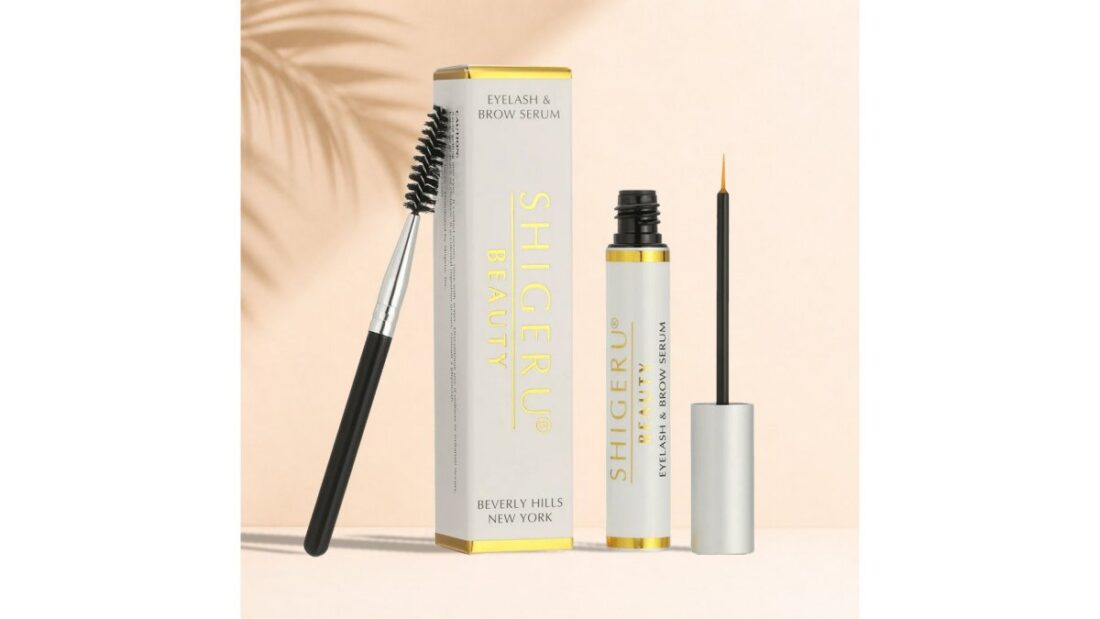
For a serum, our Shigeru Lash & Brow Growth Serum is prostaglandin-free and oil-free, built on ten amino acids with Fo-Ti and Blue Lotus. It is $69.00. Our full recovery routine for strengthening natural lashes walks through each step in detail.
Here is the recovery order we recommend when lashes are already breaking.
| Step | What to do |
|---|---|
| 1 | Book professional removal of loose, heavy, or clumped extensions |
| 2 | Switch to a gentle, oil-free lash cleanser; stop rubbing and picking |
| 3 | Sleep on your back on a silk or satin pillowcase |
| 4 | Use a lash conditioner or serum morning and night, if approved |
| 5 | Wait before rebooking; request lighter weight, shorter length, lower-diameter fan |
| 6 | Keep fills on schedule so weight never stacks up |
Booking a consultation at Lashes by Shigeru
Breakage is a solvable problem, not a permanent one. The right application, gentle aftercare, and a technician who puts lash health first will keep your natural lashes strong and your extensions looking full.
At Lashes by Shigeru, we developed our own system covering lash and brow care through to extensions, designed so clients enjoy their lashes as long as possible.
Book a consultation and we will assess your natural lash strength before recommending a weight and style. Get started with Lashes by Shigeru and protect your lashes from the first appointment.
Frequently Asked Questions
What helps lash extensions last longer?
Three things matter most: correct application, gentle daily handling, and consistent fills. Extensions applied to isolated natural lashes with weight matched to lash strength hold better than heavy fans glued to clumped lashes. Clean your lashes daily with a gentle lash cleanser, brush them with a spoolie, and avoid oil-based products near the adhesive bond. Sleep on your back and skip waterproof mascara. Using the shop’s lash care products helps clients protect their investment, and clients who use them get much longer retainability from their lashes.
Why are my lash extensions falling off so quickly?
Fast shedding usually points to one of four causes: the adhesive bonded to several lashes instead of one (poor lash isolation), extensions that are too heavy for the natural lash, oil or makeup breaking down the adhesive bond, or rubbing and picking. Natural lashes also shed on a growth cycle, so losing a few per day is normal. If you are losing large sections within the first week, book a check with your technician to review application and aftercare rather than gluing them back yourself.
Can lash extensions damage or break your natural lashes?
Extensions themselves do not have to damage natural lashes. Rubbing, tugging, or pulling can fracture natural lashes and potentially damage follicles, so handling matters more than the extensions. Breakage typically comes from oversized or overweight extensions, bad isolation, picking at loose lashes, or harsh removal. Choose a trained technician who matches extension weight to your natural lash strength and removes sets properly.
How do I clean lash extensions without damaging them?
Use a lash-safe foaming cleanser and lukewarm water, then work the foam along the lash line with a soft brush or your fingertips, avoiding tugging. Rinse by splashing water over closed eyes rather than rubbing. Pat dry with a lint-free towel and brush through with a spoolie. Clean daily if you wear eye makeup, and keep oil-based products, waterproof mascara, and heavy creams away from the adhesive bond. Gentle cleansing protects both lash hygiene and lash retention.

No Comments